An alarm over children’s eyesight
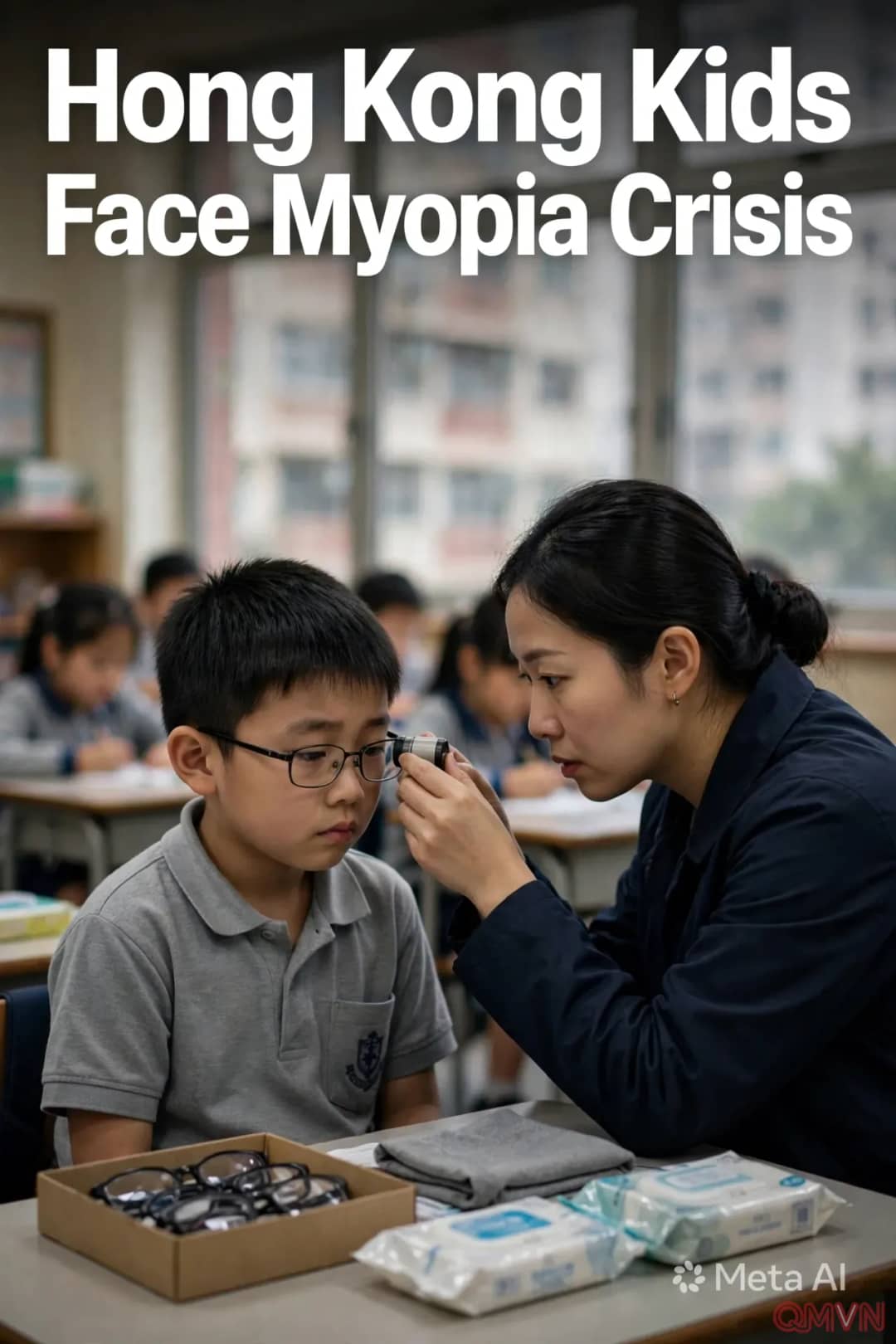
The Hong Kong Association of Private Practice Optometrists on Sunday released findings from a screening of more than 3,500 pupils at eight primary schools conducted between November and May. It found that 67 per cent of six-year-olds had less hyperopic reserve than the recommended 0.75 dioptres (75 degrees), while 24 per cent were already short-sighted. Citing mainland Chinese research suggesting that 62 per cent of children with insufficient reserve become myopic within two years, the association projected that 66 per cent of the six-year-olds surveyed could be short-sighted by 2028.
“If we do not intervene in time, more than 60 per cent of eight-year-olds could be short-sighted within two years, bringing high myopia and the heavy burden of related eye diseases.” – Queenie Yip Siu-lai
Yip, the association’s president and chair of its task force on children’s eye health policy recommendations, stressed that this is a crucial opportunity to safeguard the eyesight of Hong Kong’s children.
“Hyperopic reserve”: a buffer protecting the eyes
Hyperopic reserve is the natural longsightedness children have at birth. It gradually diminishes as the eyes grow and acts as a protective buffer against myopia; children who use it up too early face a higher risk of becoming short-sighted.