MAIN CONTENT
A quieter Saturday, with competing measures of the crowd
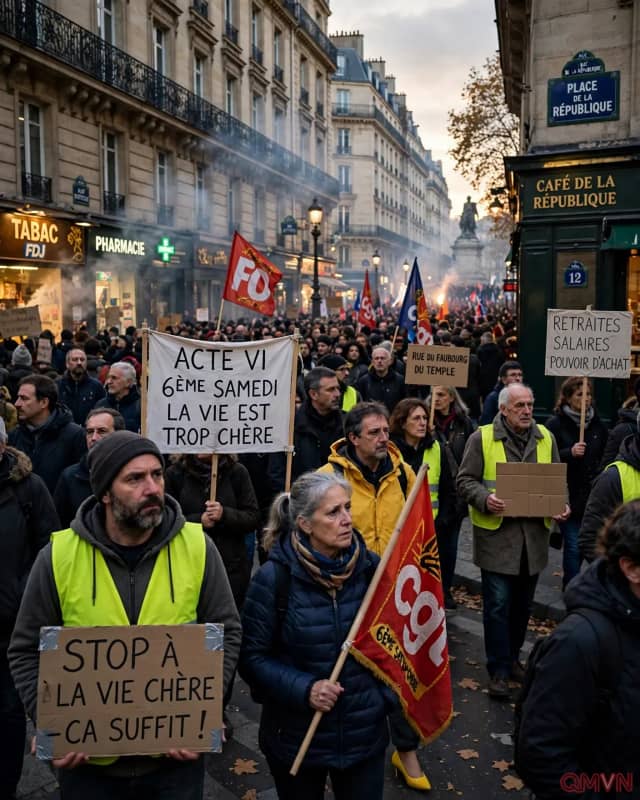
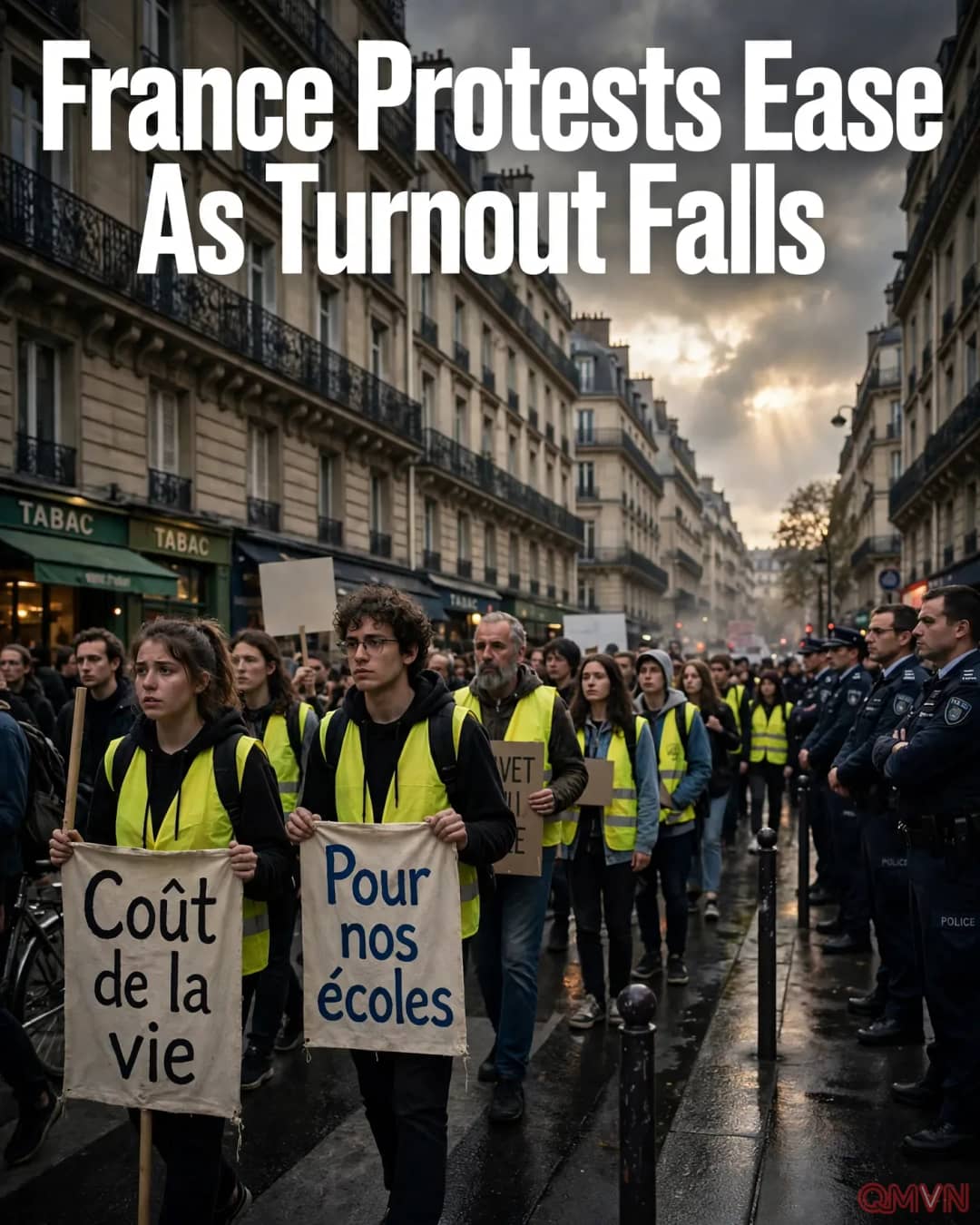
Official figures put national participation at 82,500, down from 106,000 a week earlier; Paris attendance declined from 24,000 to 21,500. Organisers counted 150,000 nationwide compared with 200,000 on November 14, and 45,000 in the capital. These totals cannot be treated as interchangeable: police and organisers use different methods and have different vantage points. Still, both series suggest a smaller Saturday mobilisation. The figures illuminate the day's scale, but not necessarily the breadth of public sympathy for the causes being advanced.
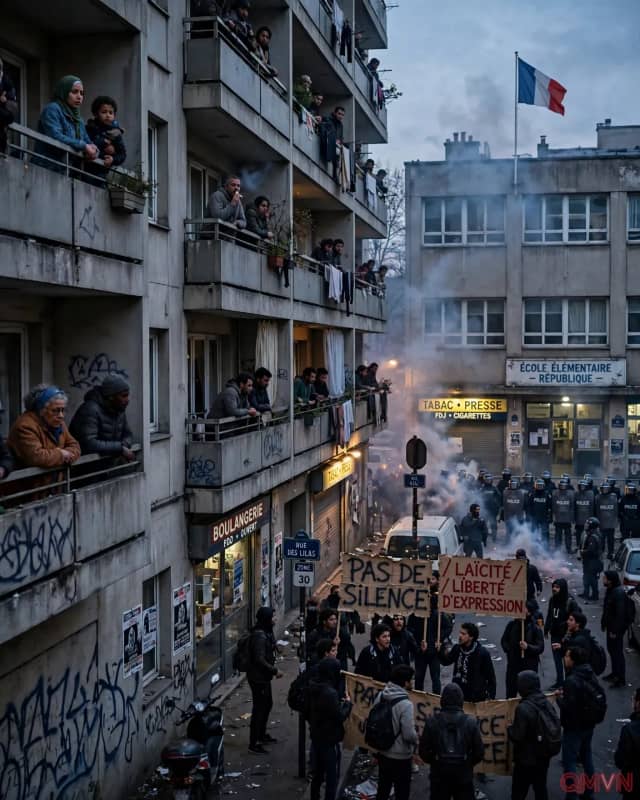
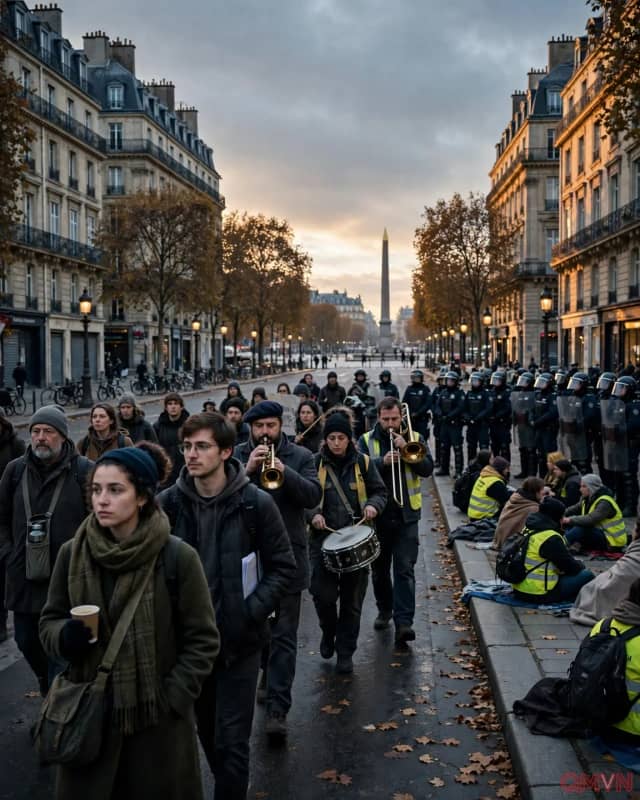
Most processions passed without major disruption, according to Reuters. Sporadic violence, notably in Marseille, underlined why the state deployed approximately 70,000 security personnel. The deployment reflected concern about possible disorder following confrontations during earlier protests. A calmer day matters for residents, shopkeepers and marchers alike, yet it does not settle the underlying debate about how authorities should protect peaceful assembly while responding proportionately to violence.
How demands for better schools grew into an economic movement
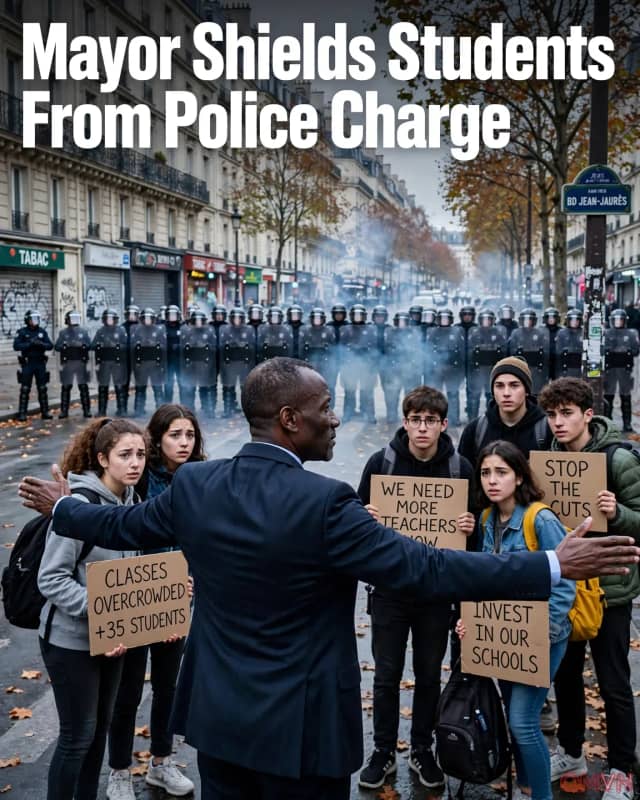
The first rallies in September centred on tangible student concerns: ageing school buildings, teacher shortages and proposed changes to universities. These issues are not separate from everyday economics.