MAIN ARTICLE
A giant plant confronts an unwanted choice
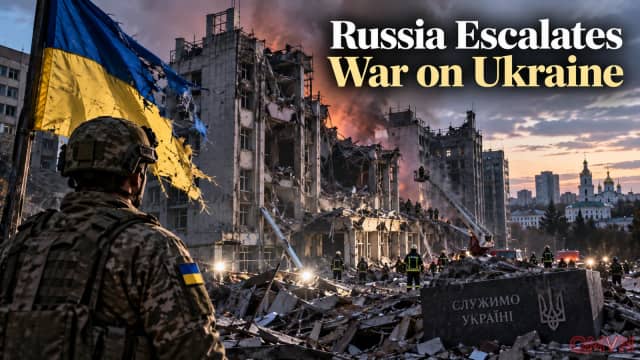
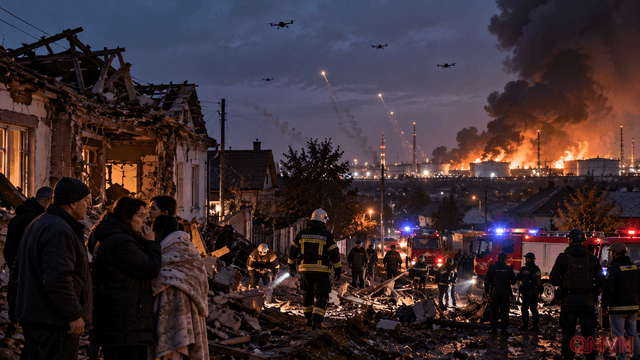
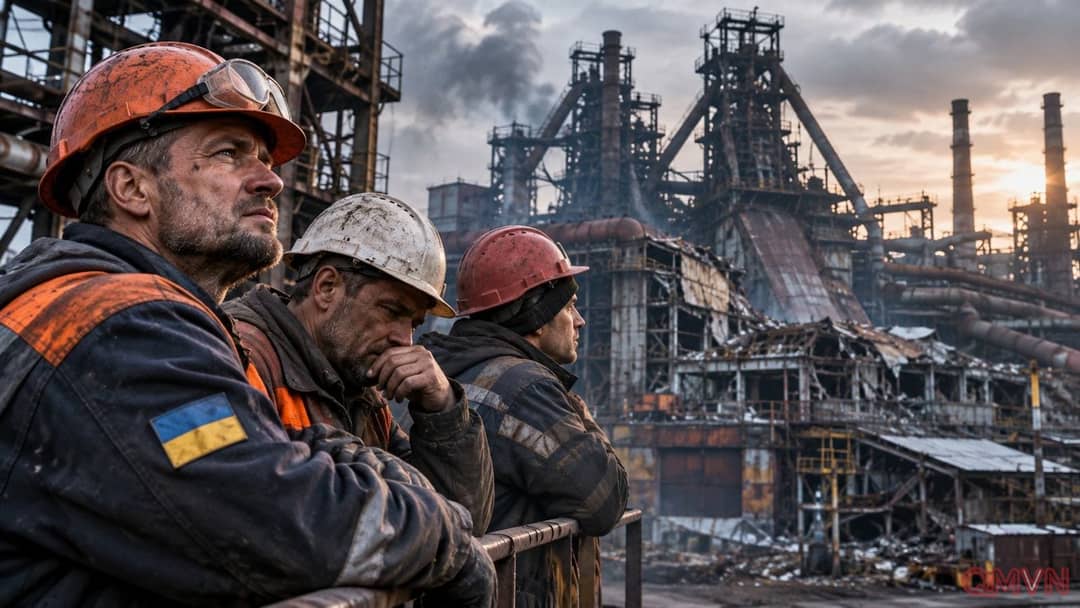
For generations, Kryvyi Rih has worked to the rhythm of iron-ore mines, freight trains and blast furnaces. Steel production supports not only mill employees but maintenance contractors, drivers, local shops and public services. Repeated missile attacks have transformed an ordinary commercial calculation into an existential question: can workers be protected while production continues? ArcelorMittal says four strikes in five weeks caused serious damage and casualties, with the latest attack taking place on September 21.
On September 25, the Luxembourg-headquartered group told the Ukrainian government that a safe and sustainable restart was no longer possible. That does not mean every furnace has been permanently dismantled. The company has discussed preserving key infrastructure so operations might resume under safer conditions. Nevertheless, even a temporary shutdown can disperse specialist teams, weaken suppliers and leave sophisticated machinery deteriorating. Every month of inactivity risks making a future recovery harder and more expensive.
The shock travels from the furnace to the city
The roughly 16,000 direct jobs associated with the complex represent only the most visible exposure. Surrounding businesses depend on contracts, wages and tax receipts generated by the steelworks.