Thirty years and a historic leap
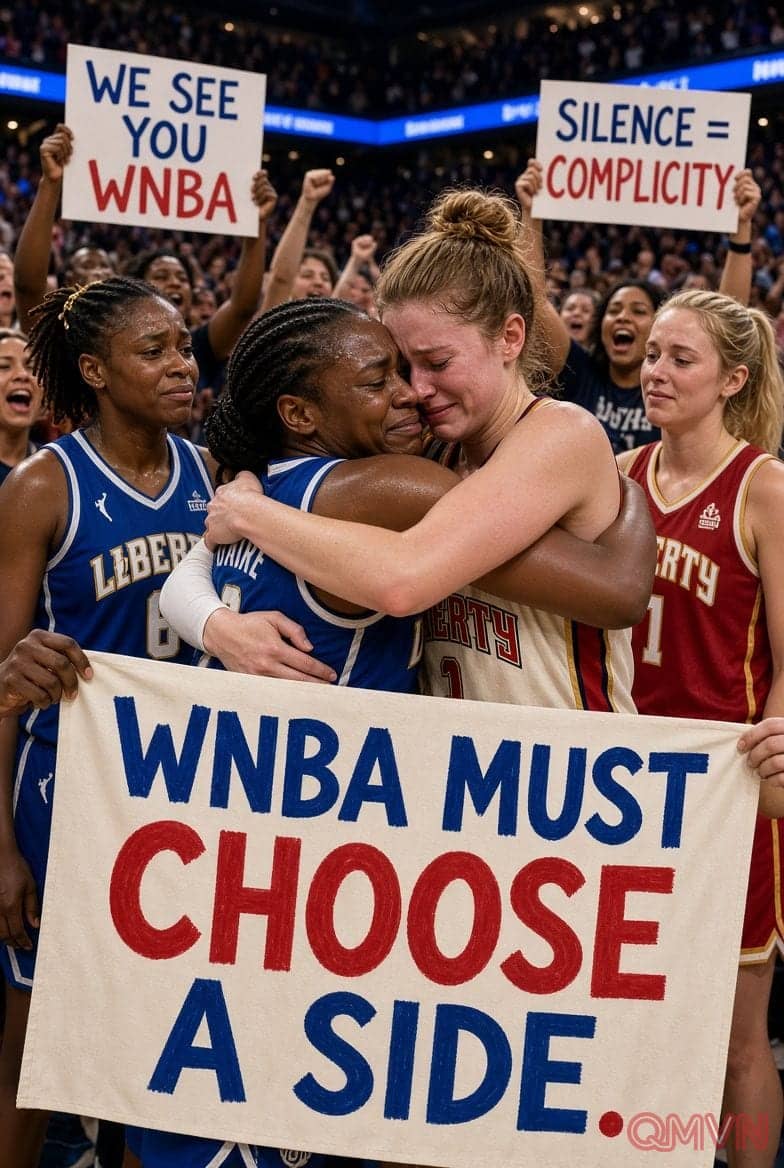
In March 2026, after 17 months of tense negotiations and a strike authorization vote, the WNBA and the Women's National Basketball Players Association (WNBPA) signed a seven-year collective bargaining agreement that observers call one of the most transformative labor deals in professional sports. According to the league, 2026 minimum salaries range from $270,000 to $300,000, more than four times the $66,079 floor of 2025. The maximum salary reaches $1.4 million, each team's salary cap rises from $1.5 million to $7 million, and for the first time players receive a guaranteed share of league revenue.
Behind the figures lies a transformation in scale. According to The Washington Times, the average franchise value has climbed from about $10 million in 2019 to roughly $460 million, driven by a new media rights deal, surging attendance and plans to expand to 18 teams by 2030. For players who once spent their winters abroad in Europe just to make ends meet, this is the harvest of a generation's persistent struggle.
This Collective Bargaining Agreement represents a defining moment in the WNBA's 30-year history and all of women's professional sports.