MAIN CONTENT
A new legal route for an old ambition
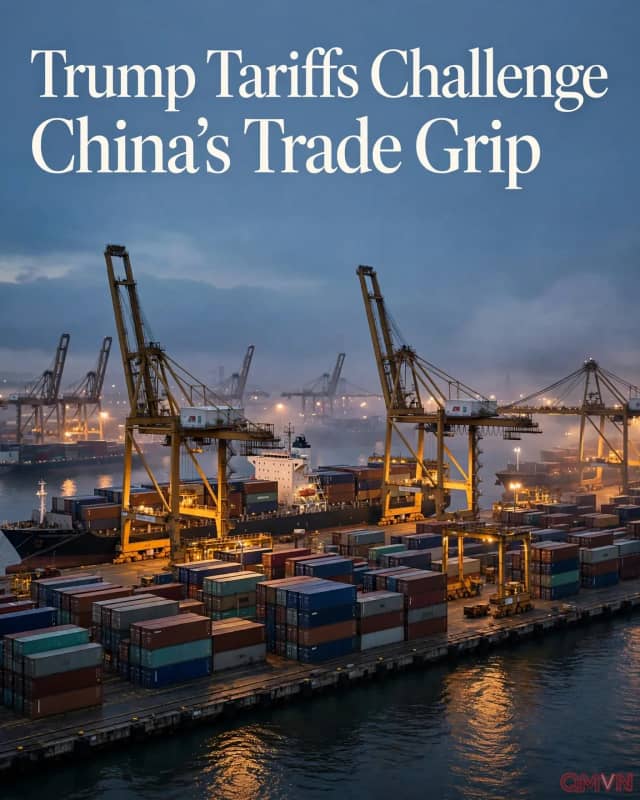
The November announcement follows an eight-month inquiry conducted under Section 301 of the US Trade Act. In its November 25 release, USTR said it had identified practices in 14 economies that it considers burdensome to American commerce. Its assessment of China highlights state industrial support and the expansion of manufacturing capacity abroad. These are the US government's findings, rather than a universally accepted diagnosis of China's economy.
The proposals come after the Supreme Court invalidated the earlier global tariffs in February. Section 301 provides a different statutory route, involving investigations and procedures for responding to specified trade practices. The new rates remain proposals subject to the administrative process; their announcement is not evidence that customs authorities have started collecting them. This distinction matters for contracts and shipment planning.
China remains the central bargaining target
Reuters reported on November 26 that Washington intends to retain a 20% tariff level associated with the current US-China understanding, in addition to duties of roughly 25% dating from Trump's first term. The proposal retains the possibility of a 40% second-term rate if the arrangement fails.