MAIN STORY
An embrace time could not erase
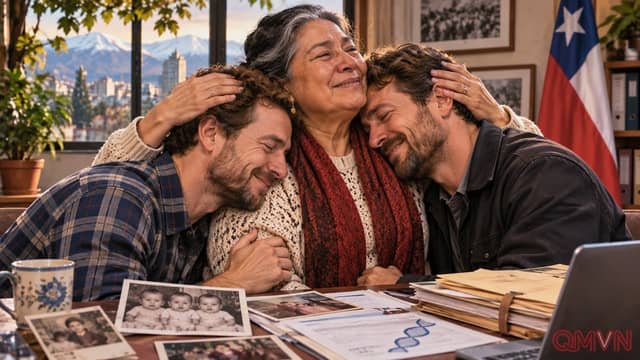
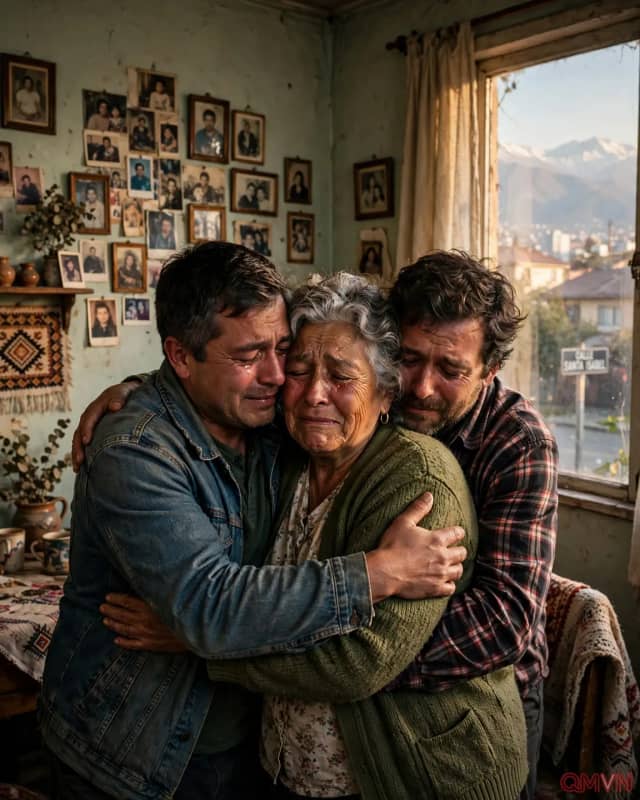
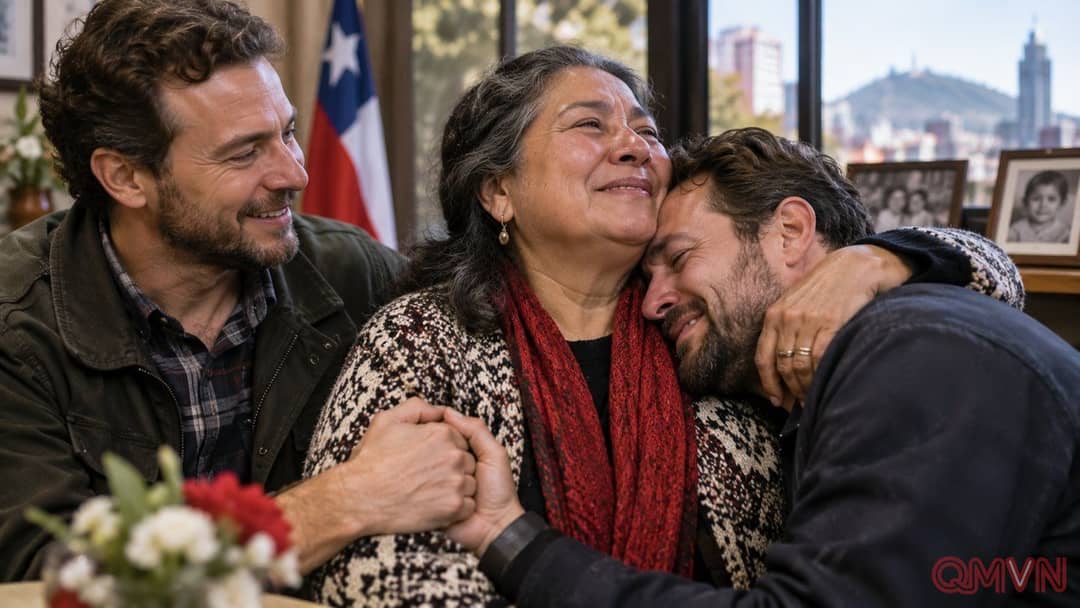
On a couch in the Chilean capital, Padilla sat between her grown sons, holding the hands of men who had lived much of their lives in another country. No single meeting could restore the ordinary years they had lost: childhood celebrations, meals, illnesses and conversations. Yet it offered something none of the surviving records could provide, the chance to recognize one another directly. Rolnick described the experience as surreal and a positive shock.
Padilla recalled that Tim was taken when he was a very young baby, at a time when she was isolated and vulnerable. The twins were removed later, she told Reuters. Murdoch said Nos Buscamos helped the brothers understand that the story of their removal was real. Such accounts are essential testimony, although a family’s recollections and the full legal findings of any particular adoption process should not be confused with one another.
Two missing seats gave the celebration an undertone of grief. Travis’s twin remained in the United States because of serious injuries from a 2013 road accident. Alberto, the older brother raised by Padilla in Chile, had led the search but died before its outcome. Their absence illustrates why reunion is not a neat ending. It is the beginning of rebuilding kinship across different languages, countries and memories.