MAIN ARTICLE
Candles in Sol and a vow to remember
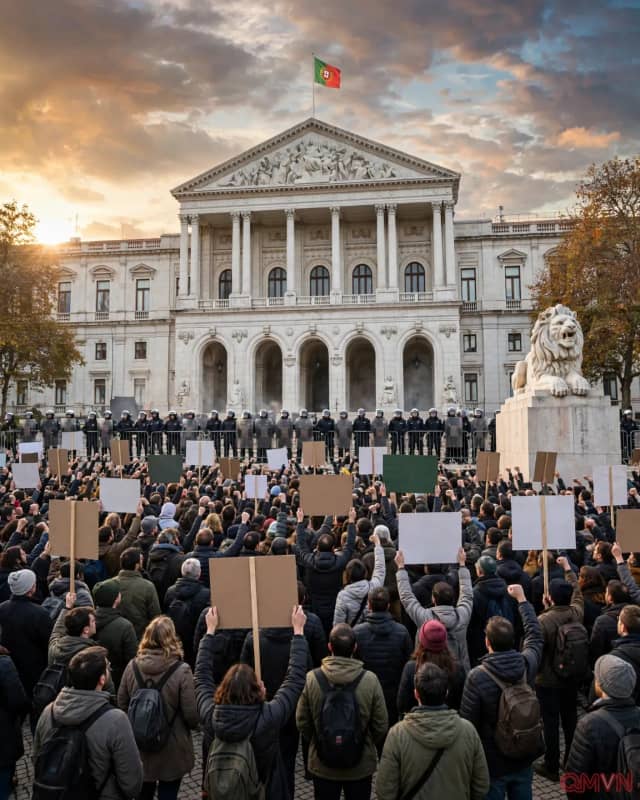
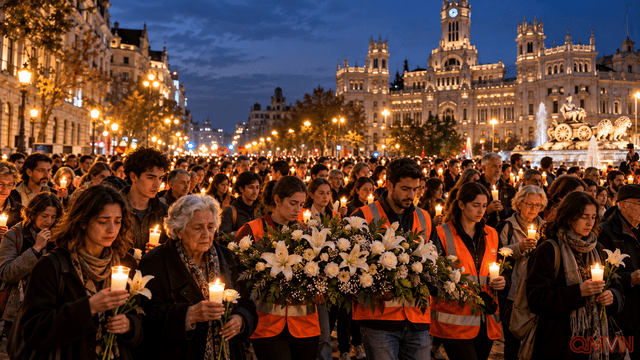
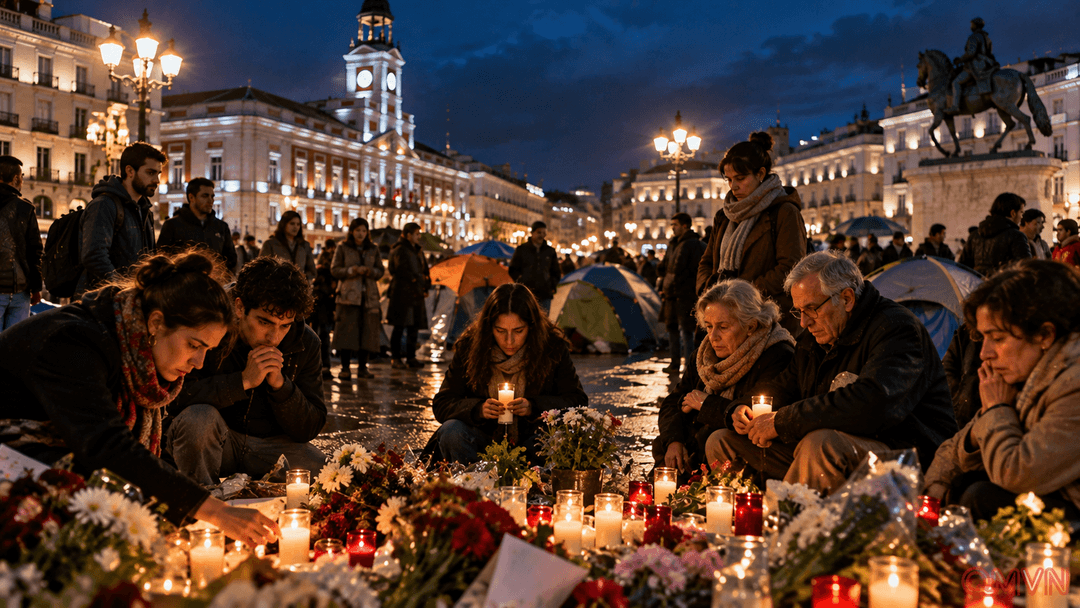
When news of Maricarmen Abascal’s death reached the encampment in Puerta del Sol, conversations gave way to silence. Protesters lit candles, laid flowers and updated signs. El País described people of several generations gathering through the night, mourning an individual while worrying that the same experience might await their own families.
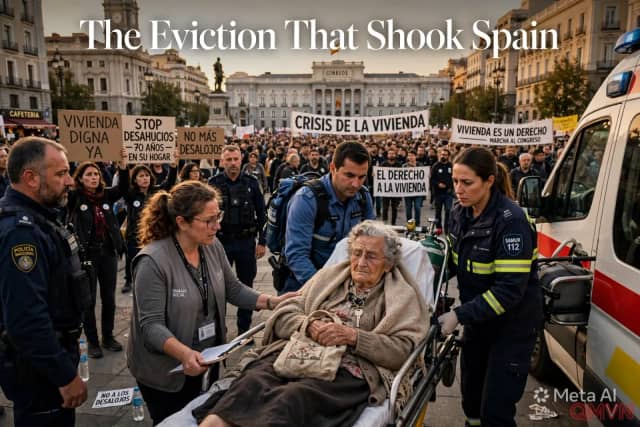
On Sainz de Baranda Street, where she had lived, handwritten notes appeared among the candles. One thanked her for helping change Spain. She had not sought a platform or delivered speeches; the image of an elderly woman removed from her longtime home had nevertheless become an accessible symbol of housing insecurity.
An unnamed young protester told El País: “There will be no more Maricarmens.” It was an expression of determination, not proof that future evictions could be prevented. The hard question is whether a moment of collective grief can become durable legal protections and practical assistance.
One apartment, many kinds of insecurity
On September 23, Maricarmen was removed from her apartment in the Retiro neighborhood after repeated efforts to stop the eviction. She had lived there for roughly 71 years under a longstanding, relatively low-rent arrangement.