A record deal for the deterrent
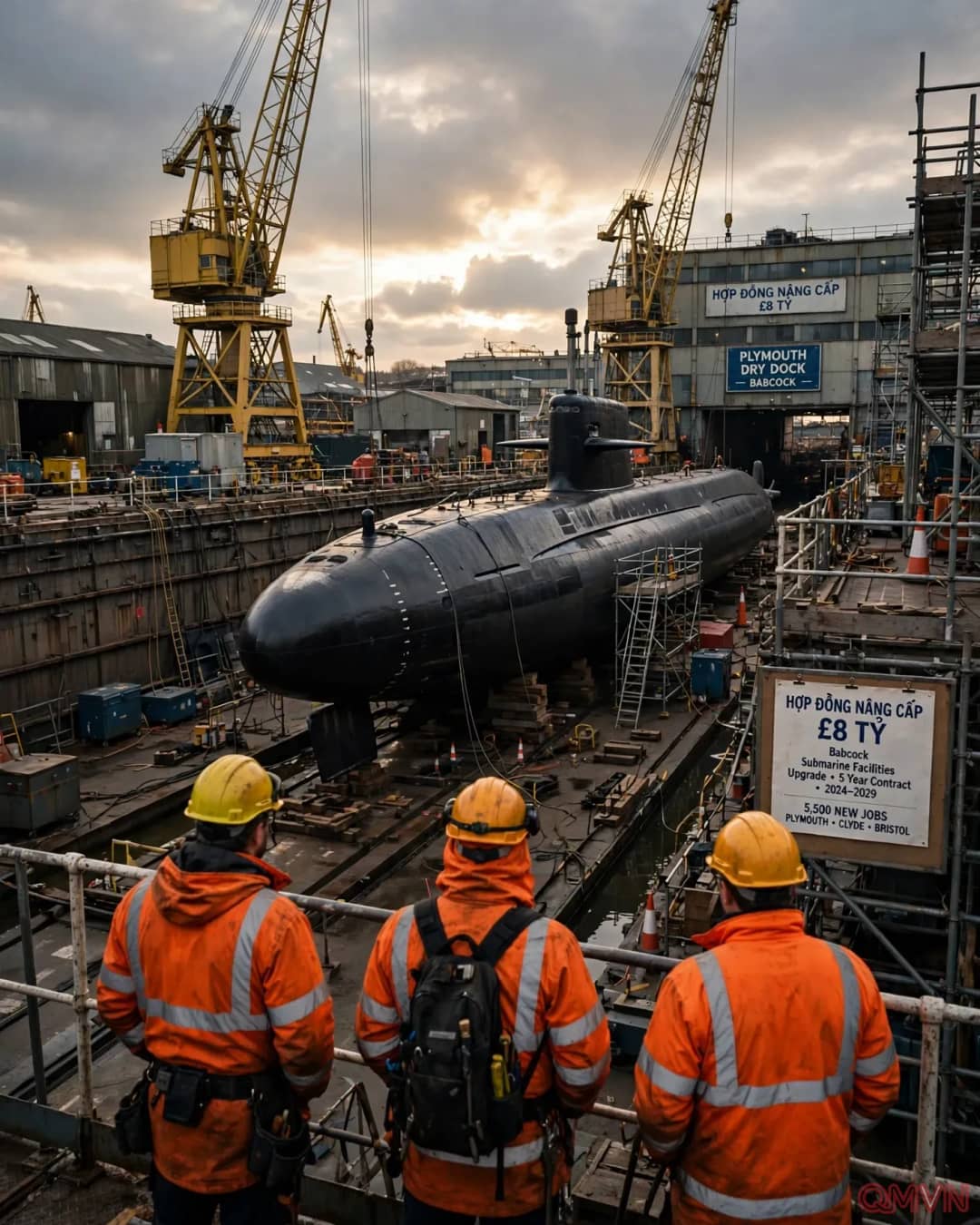
The contract, worth £8 billion, or about 10.5 billion dollars, places Babcock at the heart of Britain's nuclear deterrent for years to come. Streeting framed it as part of a broader effort to make the armed forces ready for war rather than merely prepared on paper.
*“Our nuclear submarines are the cornerstone of our national security.” — Wes Streeting*
He also made clear that the deterrent would come first in difficult budget choices, saying the government would prioritise it even if that meant shifting funds away from other departments. After years in which ministers struggled to find extra money for defence, Streeting described the sector as the clear winner from last month's budget.
For Babcock, the deal is transformative. The company said the work adds £8 billion to its order book, that the arrangement could run for as long as 15 years in aggregate, and that a separate framework agreement is worth up to £700 million.
Why maintenance matters
Britain's policy of Continuous At-Sea Deterrence requires at least one nuclear-armed submarine to be on patrol at all times. In recent years, however, a shortage of maintenance capacity has forced Royal Navy submarines to stay at sea far longer than usual, stretching crews and equipment.