MAIN CONTENT
Maintenance becomes a national priority
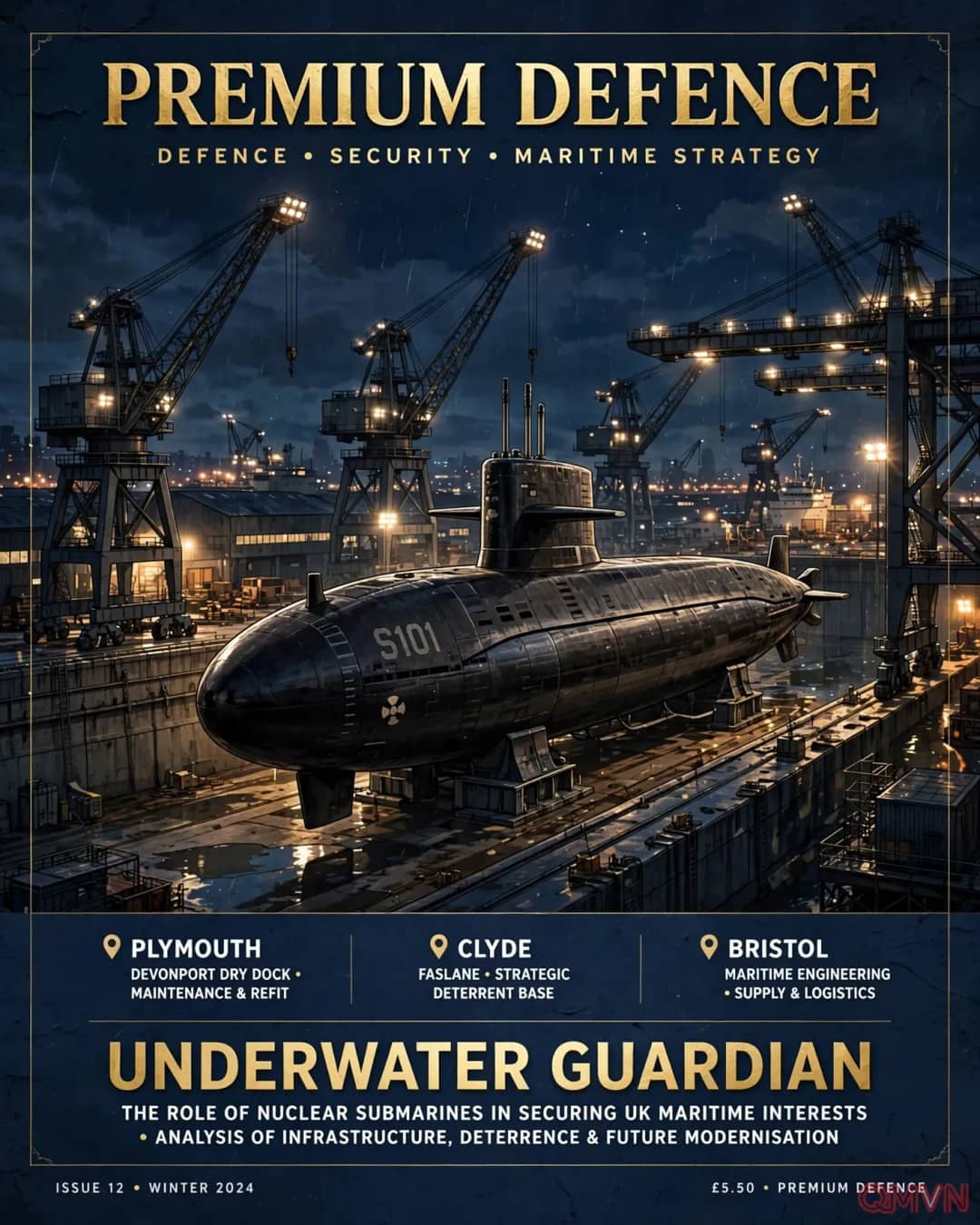
The agreement, known as Gateway, succeeds an existing maritime support programme. The Ministry of Defence describes it as a means of improving submarine availability and modernising support services. Reuters reported that maintenance delays had contributed to unusually lengthy deployments in recent years. For the government, this makes the condition of existing assets as important as future procurement. The policy is intended to support Britain's continuous at-sea nuclear deterrent, a commitment that requires enduring investment in people and facilities.
Streeting has framed the announcement as part of a broader effort to improve readiness. His assessment of the threat from Russia is the government's stated rationale, not evidence that conflict is inevitable. The government has also contacted approximately 100,000 veterans in its strategic reserve to update their information, Reuters reported. That initiative is separate from the industrial agreement, although both form part of the same readiness agenda.
A contract with a regional economic dimension
The public announcement emphasises employment as well as defence. In a written statement to Parliament on 26 November, the government identified 3,000 new jobs and approximately 2,500 apprenticeship and graduate opportunities.
This distinction matters: the combined figure of 5,500 covers different types of opportunities rather than necessarily representing 5,500 permanent jobs. Plymouth, the Clyde region and Bristol are among the areas expected to benefit.
The parliamentary statement also envisages £2.4 billion of spending through the wider domestic supply chain, with £1 billion directed towards smaller and medium-sized businesses. These commitments could sustain specialist manufacturing and engineering skills. However, training programmes take time to produce experienced personnel, and the economic gains depend on how contracts are distributed and whether recruitment and retention targets can be met.
What the financial figures mean
The £8 billion core commitment should be distinguished from the £8.7 billion figure announced by Babcock, which includes an additional framework valued at up to £700 million. The company's statement describes Gateway as its largest contract to date, while the wider arrangement could extend beyond its initial five-year period. Reuters reported that Babcock shares rose 6% after the news, reflecting a positive initial market reaction rather than proof of future profitability.
A large public contract can provide greater certainty for investment, but its headline value is not the same as profit or guaranteed savings. Streeting told the BBC that the agreement contains incentives tied to productivity. Effective oversight will need to establish whether those incentives reward genuine improvements without compromising safety, quality or the interests of taxpayers. Future evaluations should distinguish committed expenditure from optional work and measure the results against the original objectives.