MAIN TEXT
Airport attacks impose a direct human cost
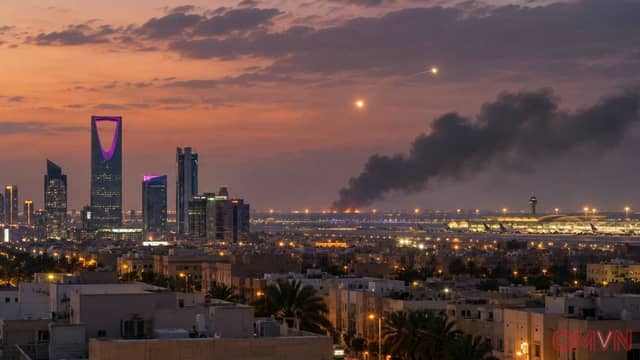
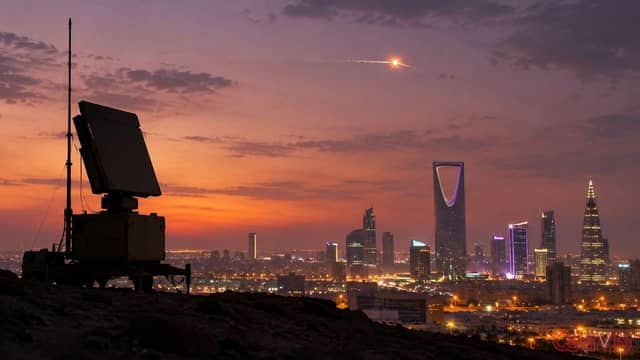
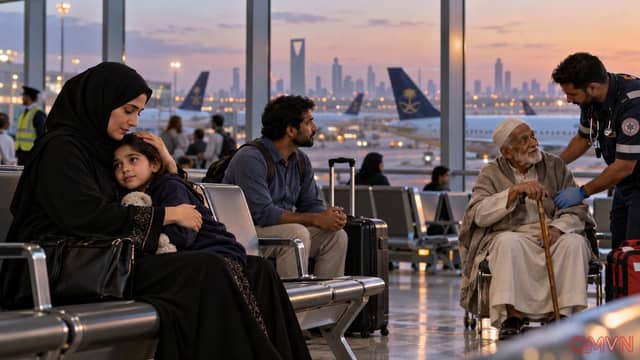
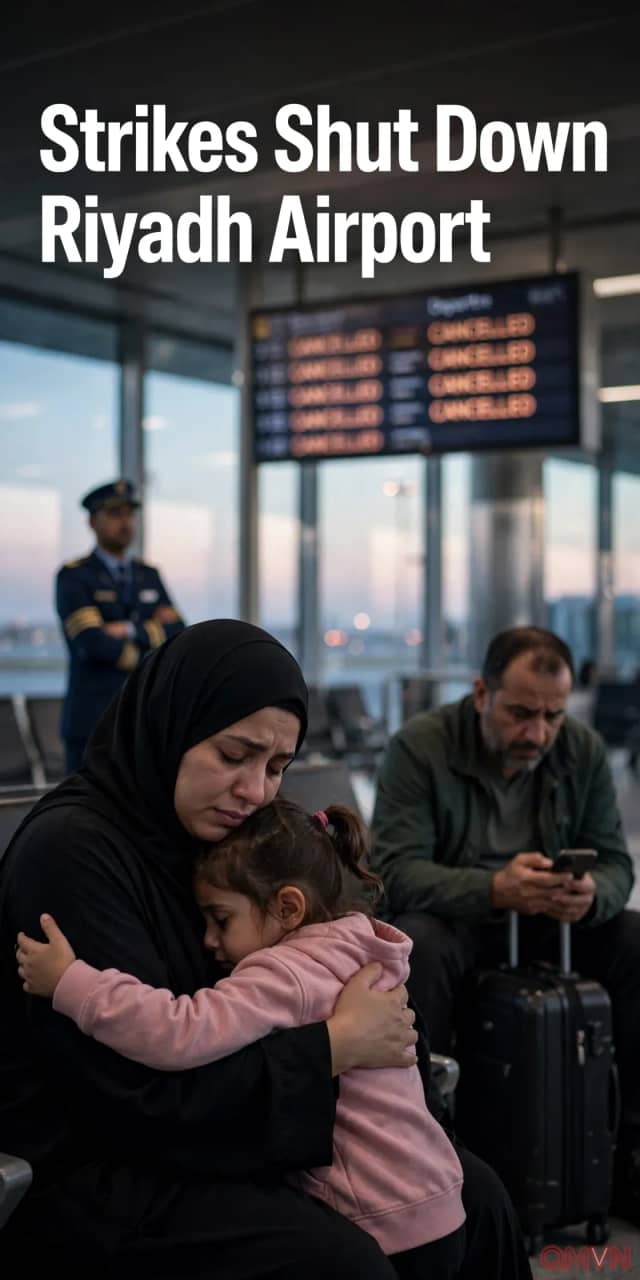
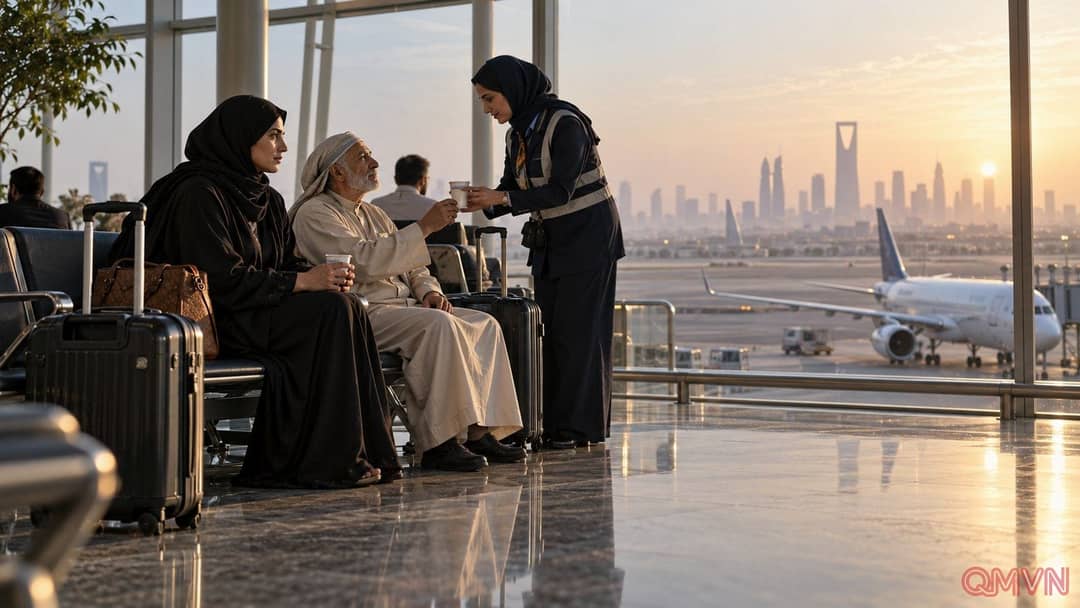
AP updated the death toll to 13 after a victim died of injuries. The earlier Wall Street Journal report recorded at least 12 deaths in the October 10 attack on King Khalid International Airport. Further strikes deepened the uncertainty. Behind the figures are travelers, aviation employees and families who have lost loved ones. For these families, the consequences extend through medical treatment, interrupted journeys and concern over livelihoods, long after the immediate emergency.
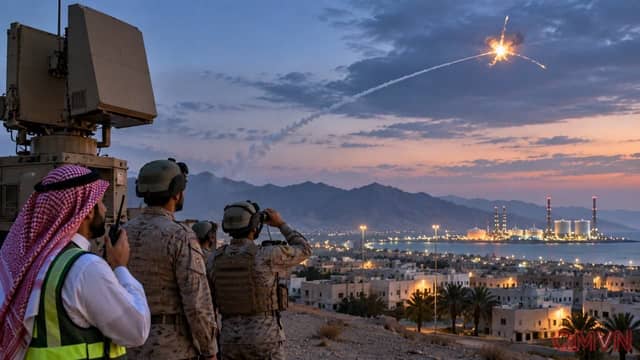
The Wall Street Journal reports that Houthi attacks have targeted Saudi airports and energy facilities. The Iran-backed armed group describes its actions as retaliation for Saudi operations. That explanation does not diminish the consequences for civilians. For an economy seeking international visitors, an airport is an important point of entry and a source of confidence. Disruption there can alter travel arrangements, work commitments and investment decisions well beyond the immediate area of damage.
An alternative oil route still depends on safe passage
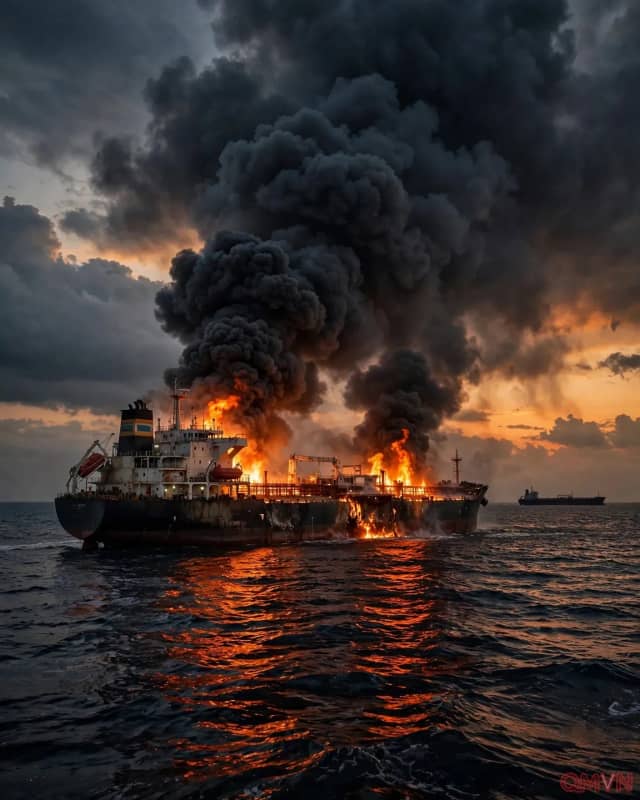
Saudi Arabia had an advantage in the East-West pipeline, which carries oil toward the Red Sea and reduces reliance on the Strait of Hormuz. The Wall Street Journal reports that the Houthis declared a maritime blockade of Saudi Arabia in July and attacked the pipeline in September. When an alternative export corridor also faces pressure, the problem extends beyond damage to a single installation. Transport capacity and confidence in the wider supply chain are both tested.