MAIN CONTENT
A ceasefire without a settled state
A reduction in large-scale fighting has not ended the contest over who governs Libya. The eastern administration and the Government of National Unity in Tripoli retain competing claims to authority, supported by different armed networks. This makes even routine decisions about public expenditure and appointments politically sensitive. A durable peace requires institutions capable of operating beyond the areas controlled by individual factions.
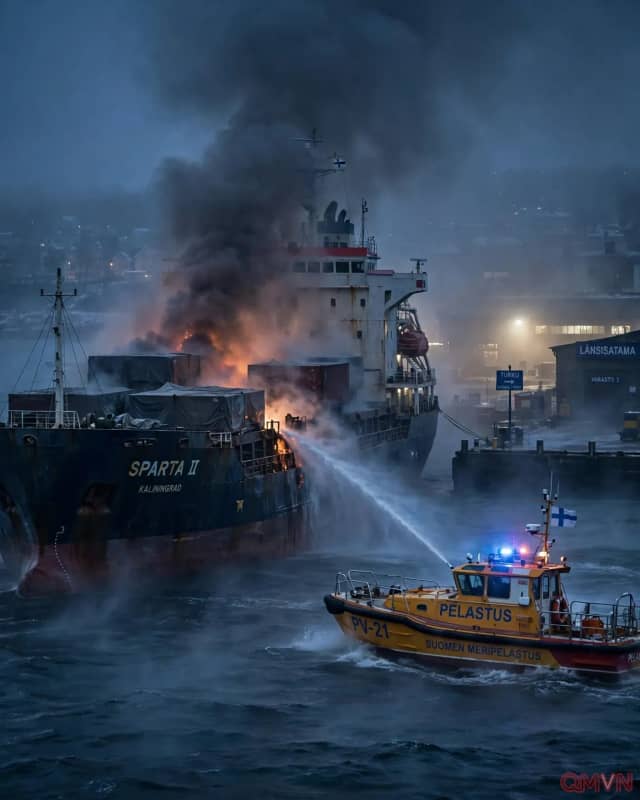
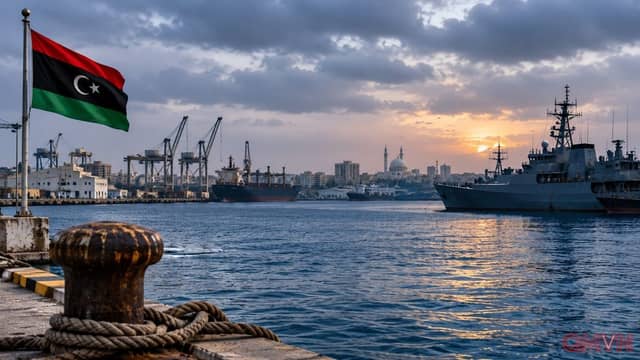
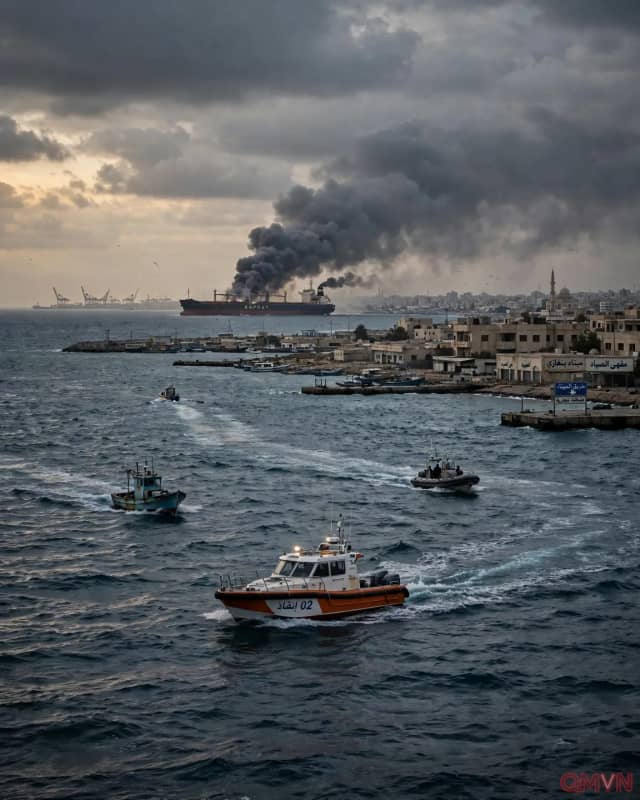
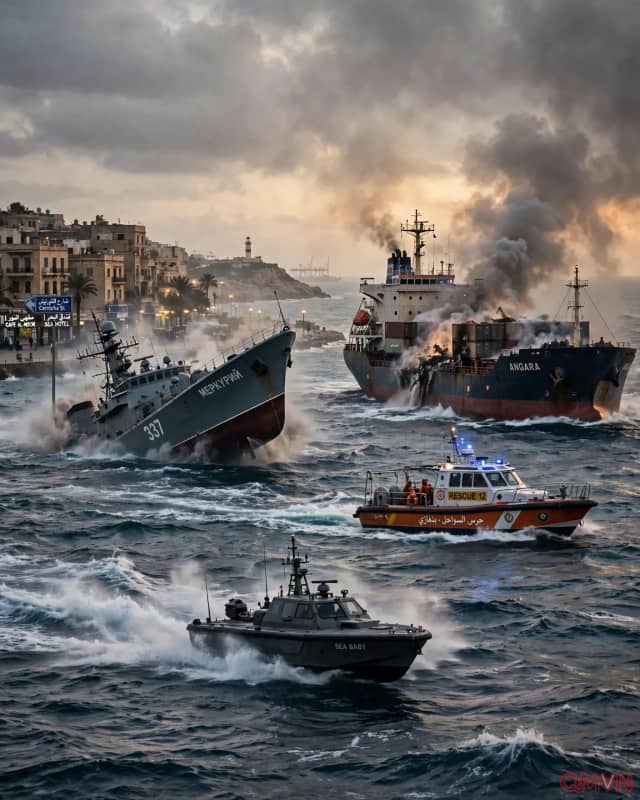
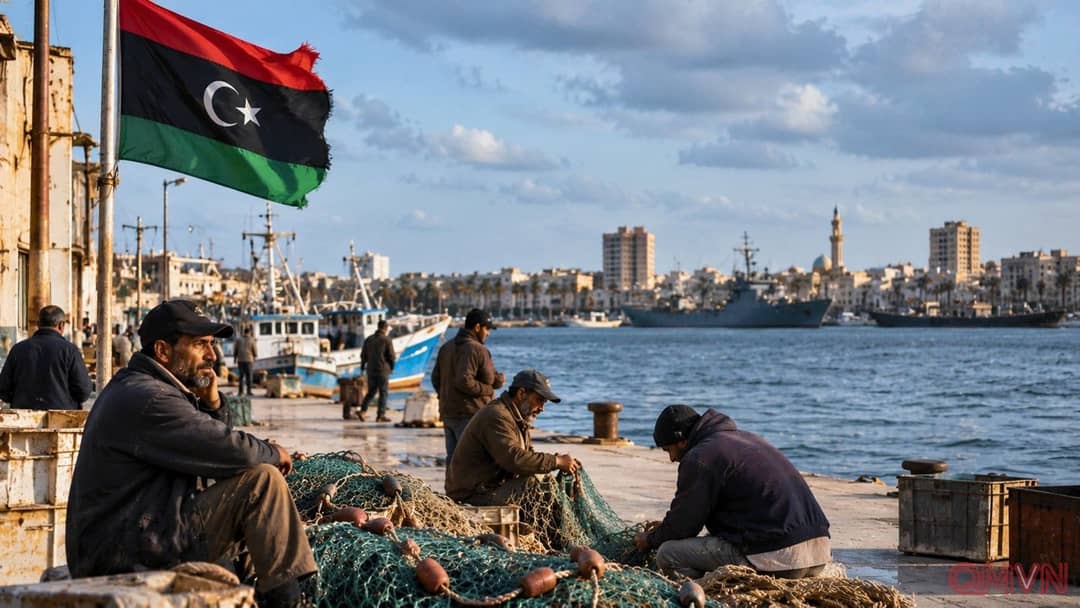
The incident in Benghazi exposes an additional vulnerability. Associated Press reported on November 23 that eastern authorities described the Russian vessel’s presence as part of a cooperation arrangement. Their rejection of involvement in the Russia-Ukraine conflict illustrates the gap between Libya’s declared sovereignty and its ability to prevent external rivalries from playing out on its territory. A single incident need not reignite civil war, but it complicates an already fragile balance.
Foreign interests intersect on Libyan soil
Russia has cultivated ties with eastern military leader Khalifa Haftar, while Turkey intervened in support of the Tripoli authorities. Egypt and the United Arab Emirates have also backed eastern forces at various stages.