MAIN CONTENT
One metal, two markets
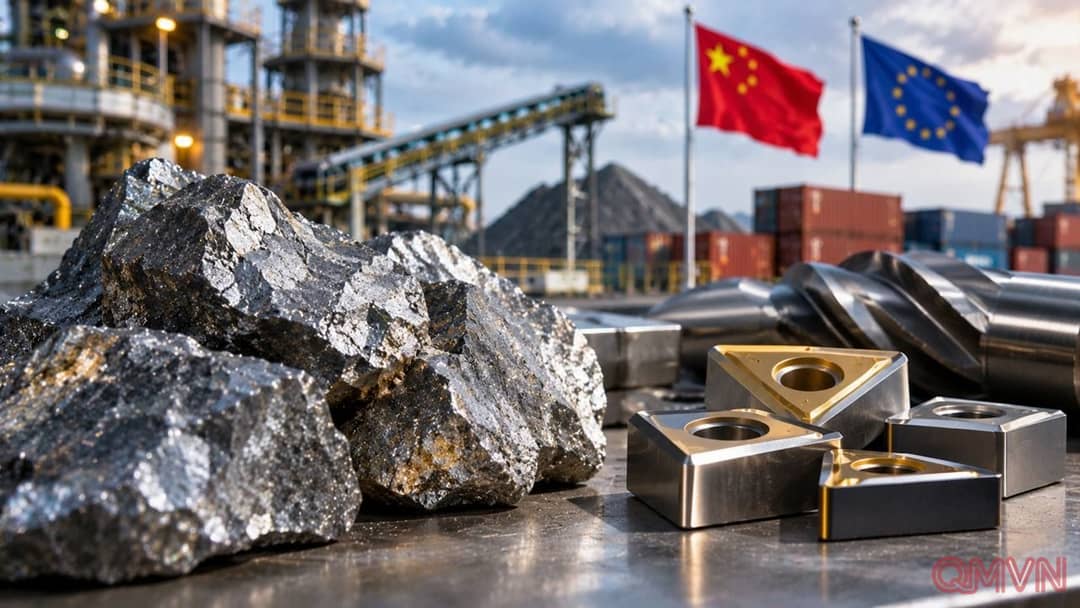
Tungsten combines hardness with resistance to high temperatures, making it valuable for cutting tools, industrial equipment and other advanced applications. When China introduced export controls on selected tungsten products in February 2025, the international market became less integrated. Licensing restrictions slowed the movement of material across borders without completely stopping exports, limiting the ability of buyers to respond to regional price differences.
Reuters, citing China Tungsten Online, reported that exports within the specified product coverage fell 25% year on year to 8,064 tonnes in the first eight months of 2026, while their value increased 209%. Those opposing trends illustrate the pressure on customers outside China: less material was moving abroad, even as its commercial value rose sharply. Industrial and defence demand are competing for constrained supplies.
Benchmarks must reflect the market buyers actually use
Reuters, citing Argus Media, put Rotterdam APT at about $2,650 per metric tonne unit, compared with $355 when the controls were first announced and a July 2026 peak of $3,100. A metric tonne unit, or MTU, represents 10 kilograms of tungsten trioxide (WO₃), rather than a full tonne of APT. CME Group confirms this quotation convention in its futures documentation.