MAIN STORY
Libyan sovereignty under external pressure
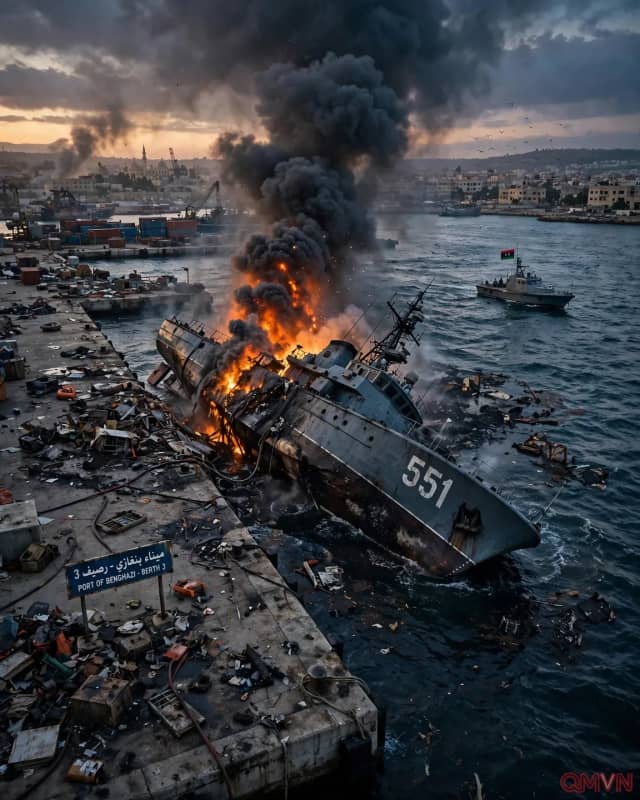
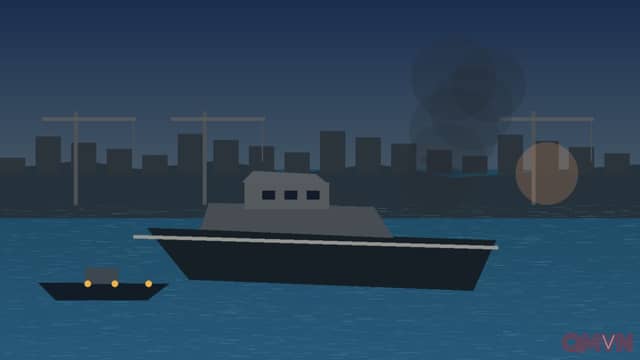
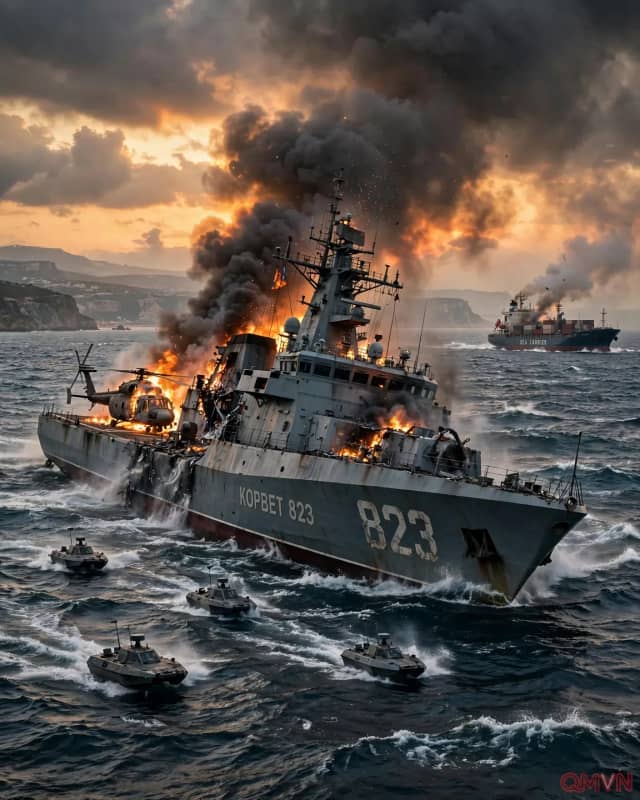
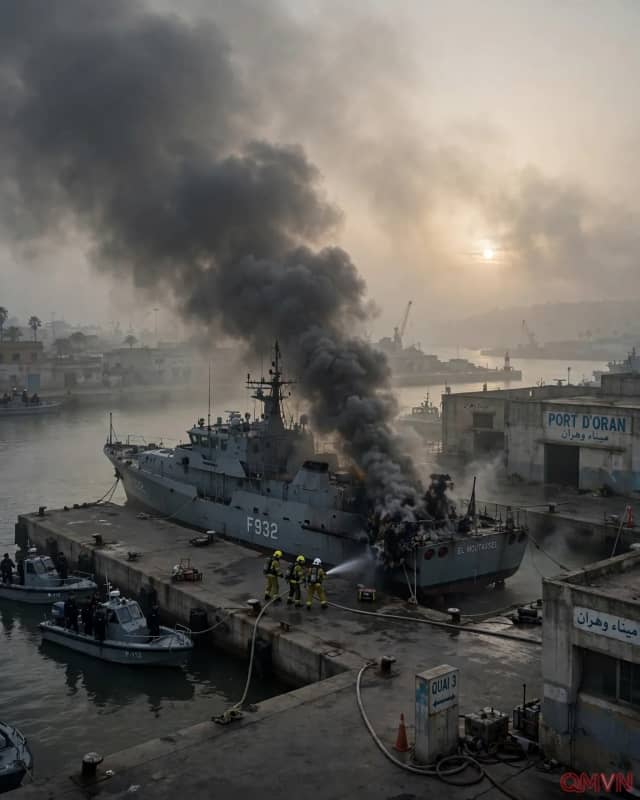
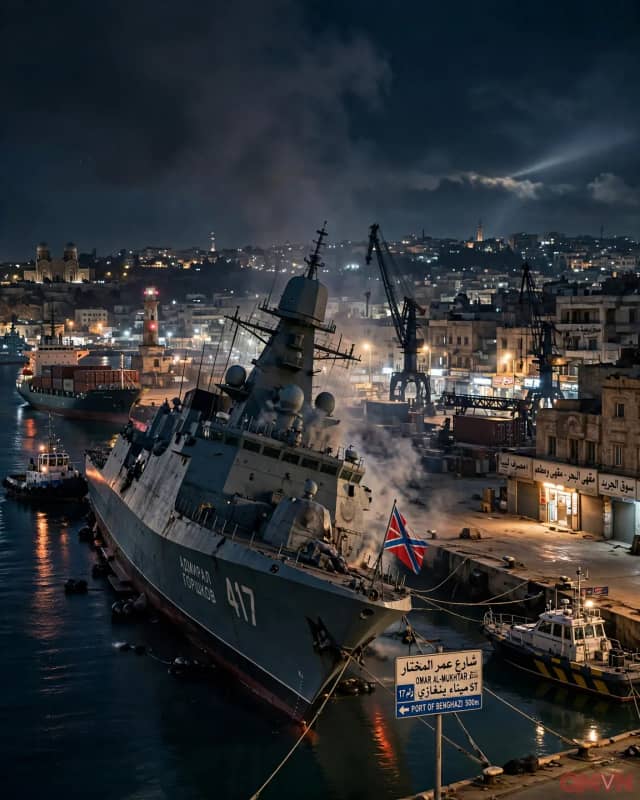
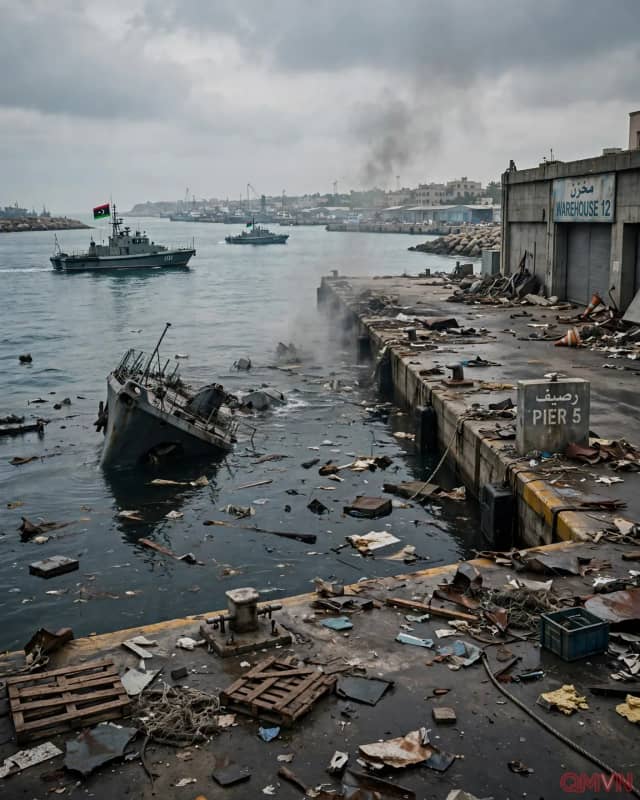
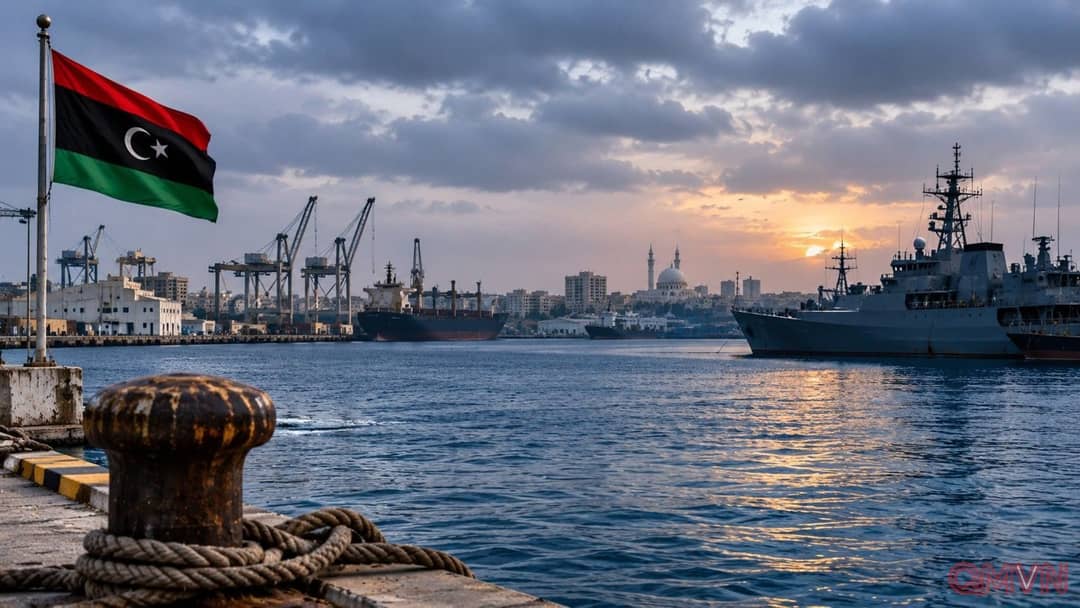
Associated Press and AFP reported on November 23 that Ukraine claimed it had struck two Russian vessels near Benghazi, including a naval ship that Kyiv said had sunk. Authorities in eastern Libya confirmed damage to the vessel. The full extent of the damage remains subject to independent verification. The government in Tripoli objected to foreign military activity on Libyan territory and in its waters, and sought an explanation from Ukraine.
The incident is particularly sensitive because Libya remains divided between competing centres of political authority. A country attempting to rebuild its institutions has limited capacity to absorb the consequences of confrontation between outside powers. AP described the incident as a new arena in the wider Russian-Ukrainian conflict. The expansion of hostilities into a third country does not, however, automatically resolve legal questions surrounding sovereignty and self-defence.
The human cost behind the statistics
An analysis of Russian death certificates published by The Guardian identified more than 460,000 war-related deaths between February 2022 and September 2026. This is the newspaper’s research finding, rather than an official figure accepted by all parties.
Delayed death registrations and incomplete records mean that the overall toll remains uncertain.
The investigation also identified more than 1,000 Russian military personnel whose deaths were recorded as suicides. These findings underline the need for mental health services, support for families and independent access to medical care. Individual deaths cannot all be attributed to a single cause, but psychological injuries associated with warfare deserve recognition as a lasting humanitarian concern.
European security and technological dependence
Poland’s armed forces reported a brief violation of national airspace by a Russian unmanned aircraft. Civilian safety was among the considerations in determining the response. In a statement dated August 12, 2026, NATO had already condemned airspace violations affecting Poland and Romania and highlighted steps to strengthen collective defence.
According to the reference report, Britain has also expressed concern about interruptions to satellite communications supplied by SpaceX to Ukraine. The issue goes beyond service quality to the continuity of essential infrastructure. Governments need effective contractual oversight, alternative service arrangements and transparent notification procedures when interruptions occur.
Food security cannot be separated from war
In a November 23 briefing to the UN Security Council, the World Food Programme (WFP) warned that disruptions affecting the Strait of Hormuz, Bab el-Mandeb and the Black Sea were constraining supplies of food and agricultural inputs. Figures cited in the reference report suggest that humanitarian costs could rise by $727 million by mid-2027, jeopardising food assistance for 7.3 million people.
WFP has expressed readiness to facilitate humanitarian grain shipments from both Russia and Ukraine. Keeping food trade safe, coordinating diplomatic efforts and sustaining humanitarian funding are urgent priorities. For a household facing hunger, the impact of a distant war may arrive through the price of bread rather than the sound of gunfire.