MAIN ARTICLE
Why the 2020 question still matters
The controversy concerns more than disputed ballots. It involves the assumptions senior law-enforcement officials bring to their work. According to the New York Times, Todd Blanche, Pam Bondi, Kash Patel and Harmeet Dhillon avoided giving an unqualified answer when asked whether Donald Trump lost the 2020 election. Their responses instead acknowledged that Joe Biden’s victory was legally certified, despite the abundant evidence supporting that outcome.
An evasive answer is not itself evidence of illegal conduct. But it creates an issue of institutional credibility when the president continues to repeat sweeping election-fraud allegations that have not been substantiated. Federal enforcement depends on identifying verifiable violations, rather than treating political suspicions as proven facts. For voters, the distinction matters because investigative powers can affect people who have committed no offense.
California and the disputed list of voters
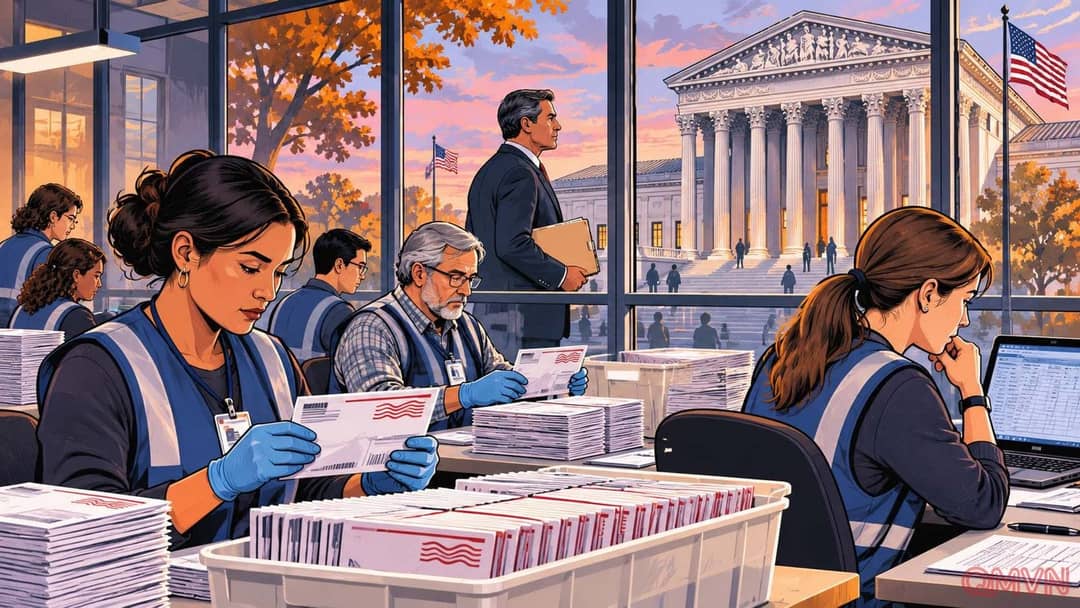
On October 15, the Justice Department sued California and sought to isolate ballots associated with more than 20,000 people identified through federal data matching as possible noncitizens. State officials challenged the reliability of the list and pointed to existing safeguards. NPR reported that a preliminary review found many names absent from current voter rolls, and that the list included naturalized American citizens.