MAIN CONTENT
Why one technical failure can spread so far
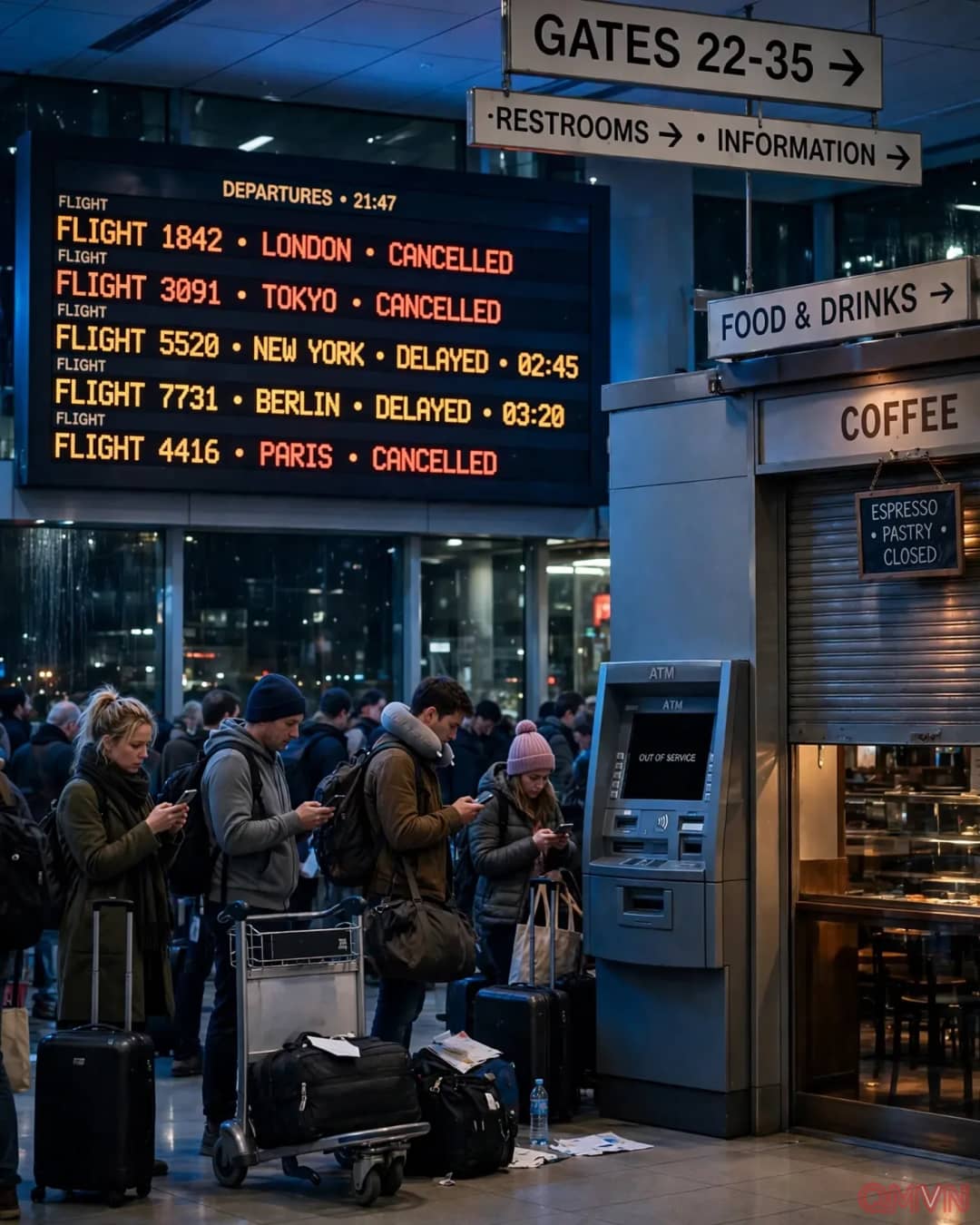
The disruptions showed how apparently separate parts of modern life depend on overlapping systems. A stalled email platform can silence a business team; a network problem at an aviation agency can strand travelers; a banking interface failure can make customers fear for their savings. Cloud infrastructure, identity services and complex software dependencies connect these experiences. A fault at one junction can therefore generate consequences much larger than the original technical problem.
Reuters described widespread Microsoft problems, an aviation ground stop associated with a router issue and interruptions affecting financial services. AP reported that the companies and agencies involved described internal technical causes rather than a shared attack campaign. This distinction matters. An unavailable app is evidence of interrupted service, not necessarily of stolen funds or exposed data. The correct response begins with determining what is known rather than assuming the worst.
Build account defenses before trouble starts
The most useful security habits are usually quiet ones. Important accounts need long, distinct passwords stored in a reputable password manager. Multifactor authentication, or MFA, means a stolen password alone is less likely to unlock an account. Where supported, passkeys or hardware security keys offer stronger resistance to phishing than many code-based methods. The US Cybersecurity and Infrastructure Security Agency promotes a similar foundation: strong passwords, MFA, phishing awareness and timely updates.