MAIN CONTENT
A nationwide restriction announced in Amman
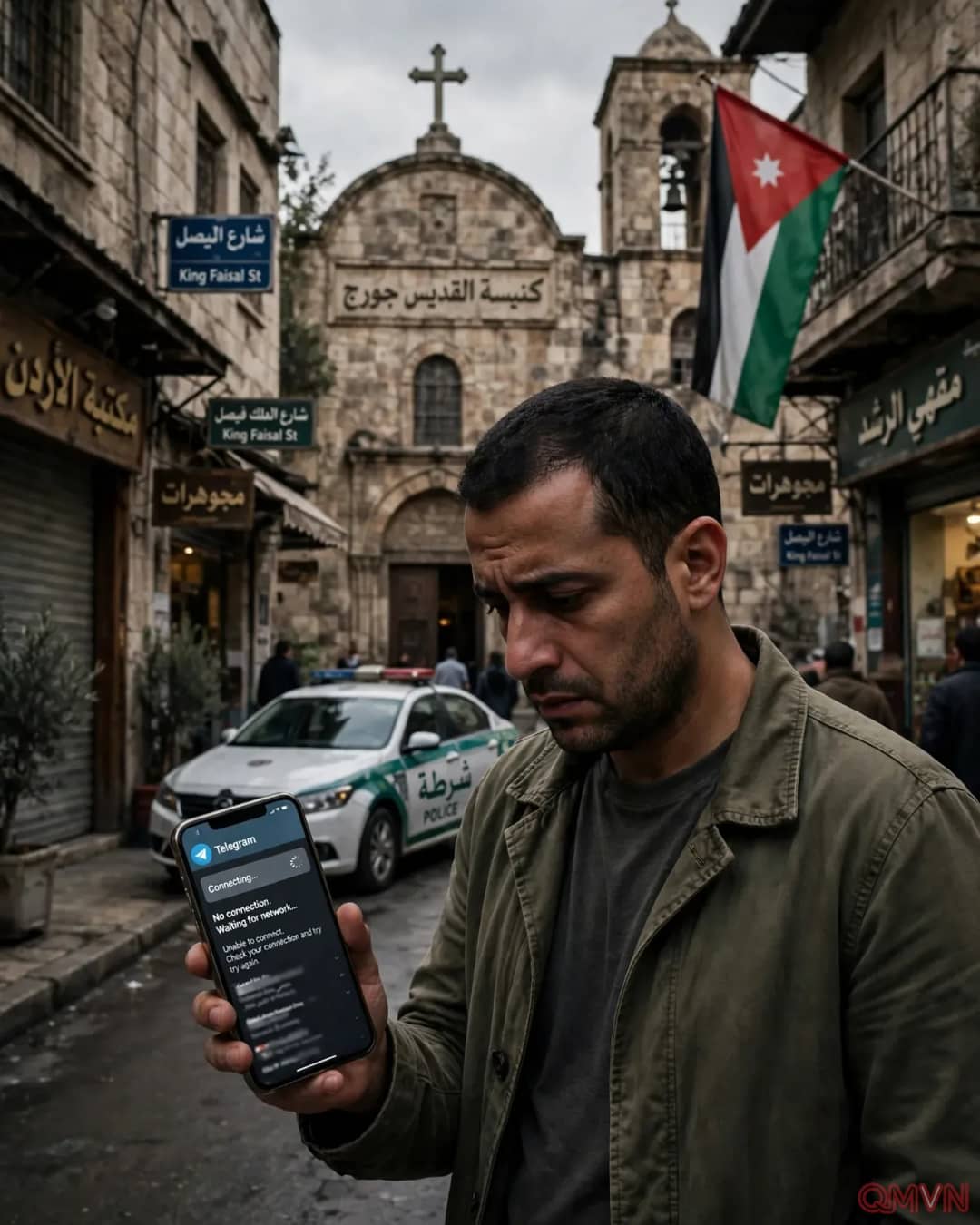
A statement carried by Jordan’s official Petra news agency on November 16 confirmed that Telegram was blocked across the kingdom. The Public Security Directorate cited potential uses of digital platforms for cybercrime, threats, extortion, unlawful content and extremist mobilisation. Its public statement did not specify how long the restriction would remain in place or identify a measurable threshold for restoring access. Those unanswered questions leave ordinary users and organisations uncertain about how the policy will evolve.
Authorities also advised residents to avoid suspicious accounts and unfamiliar links, report unlawful content through official channels and help children use online services responsibly. This guidance recognises that digital security depends on user awareness as well as enforcement. But a platform-wide block and targeted digital-literacy measures are distinct instruments, with different consequences for daily communications and legitimate commerce.
Deadly violence sharpens the security debate
Reuters reported that the decision followed an October 23 attack on a Greek Orthodox church in Karak that ultimately killed nine people, according to updated reporting. On November 15, a Jordanian court sentenced three defendants to death in connection with the assault, with further judicial review still applicable.