MAIN CONTENT
A message beyond diplomatic courtesy
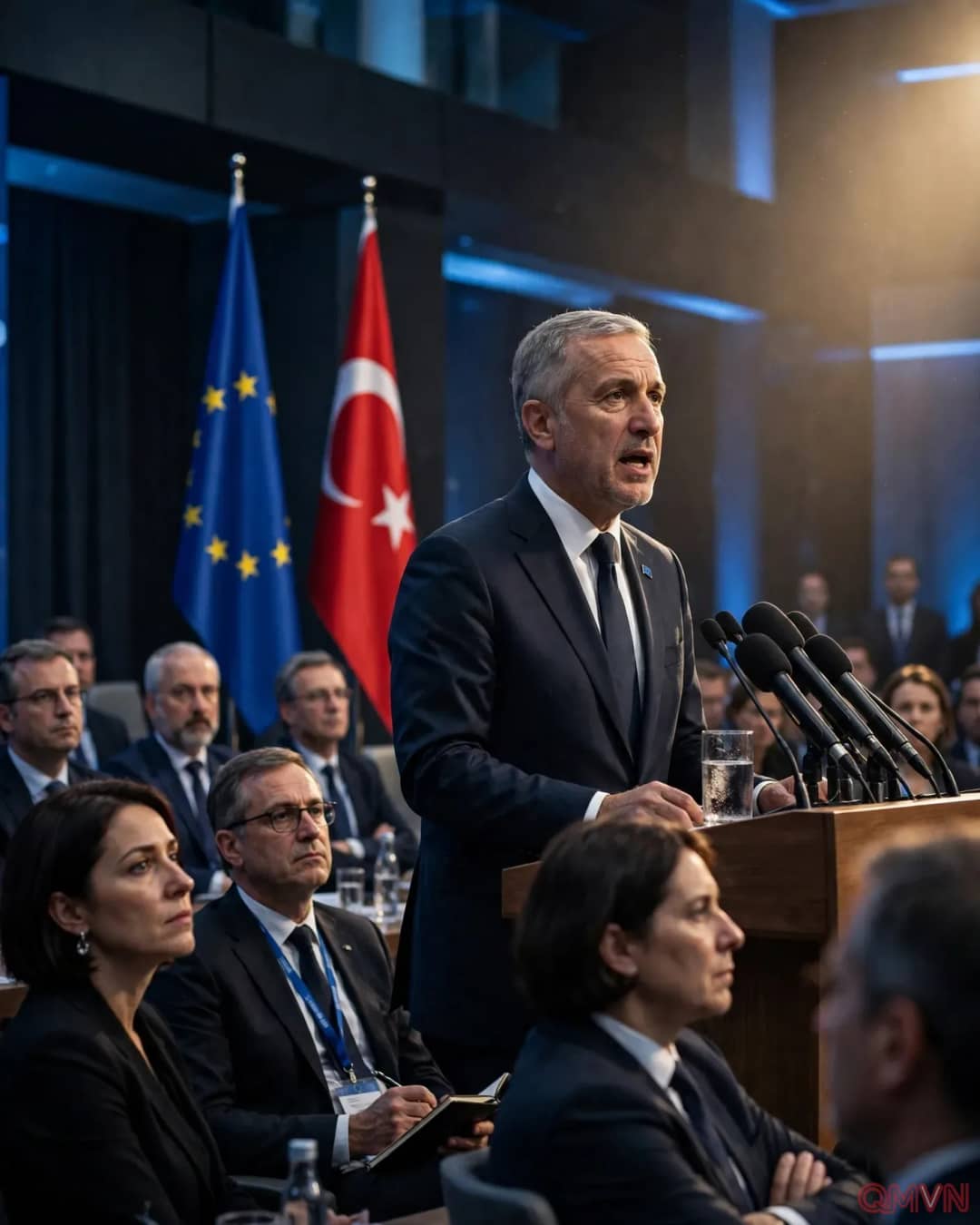
In his official Brussels address, Stubb urged European policymakers to speak openly about Türkiye’s place in the continent’s security architecture rather than view it solely through the frustrations of its membership bid. He called it a major security actor and indispensable NATO ally. The remark carries particular weight from Finland, which joined NATO in 2023 after reassessing its own security environment. It was an acknowledgment of Ankara’s strategic relevance, not a declaration that its relationship with Brussels had been repaired.
Stubb made a deliberate distinction between values and interests. The EU and Türkiye, he said, sometimes differ on the former, while frequently finding common ground on the latter. Where those interests overlap, cooperation should deepen. Such language advocates practical engagement without declaring all political disagreements resolved. It also avoids promising a shortcut through the criteria and procedures that govern EU accession.
Enlargement as a geopolitical choice
Türkiye formed only one part of a larger argument. Stubb portrayed enlargement as one of the EU’s most successful foreign-policy instruments, pointing to its role in expanding democratic institutions, prosperity and security after the Cold War. In an era shaped by great-power competition, conflict in Europe and rapid technological change, he argued that enlargement must be treated as a strategic decision about the continent’s future rather than a narrowly technical negotiation.