MAIN ARTICLE
Reading the clues in the conference hall
The party’s fifth plenum ended on October 29 with a communiqué confirming 33 expulsions from the Central Committee’s full and alternate membership, including 16 military officers. Reuters and the Associated Press reported the scale of the purge and the renewed emphasis on political loyalty. The vacancies are not abstract: operational units still require commanders who can supervise exercises, coordinate services and make timely decisions.
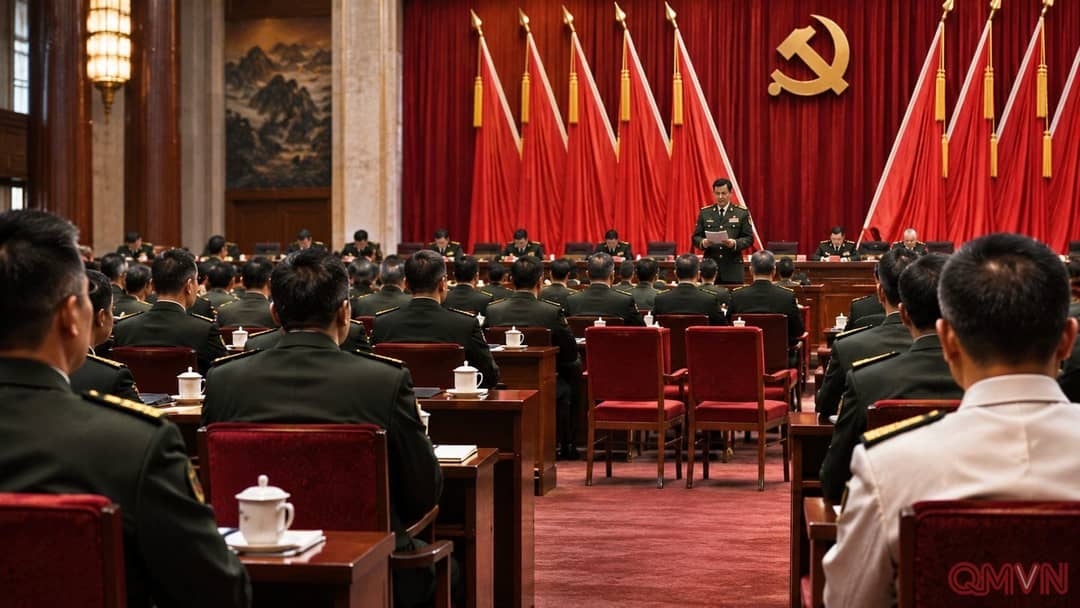
According to a South China Morning Post analysis of publicly released images, nine generals connected with the theatre commands sat in places ordinarily associated with their senior leaders. Insignia, protocol and the officers’ earlier postings provide circumstantial evidence of who has stepped into the gaps. Many previously held deputy positions. None of this, however, substitutes for an official appointment announcement, and some may be serving only in an acting capacity.
The PLA’s theatre commands are geographic organizations built to integrate army, navy, air force and other capabilities. A change at their head therefore carries consequences beyond administrative succession: it can alter working relationships, exercise planning and the chain through which decisions move during an emergency.