MAIN ARTICLE
When wages no longer cover daily life
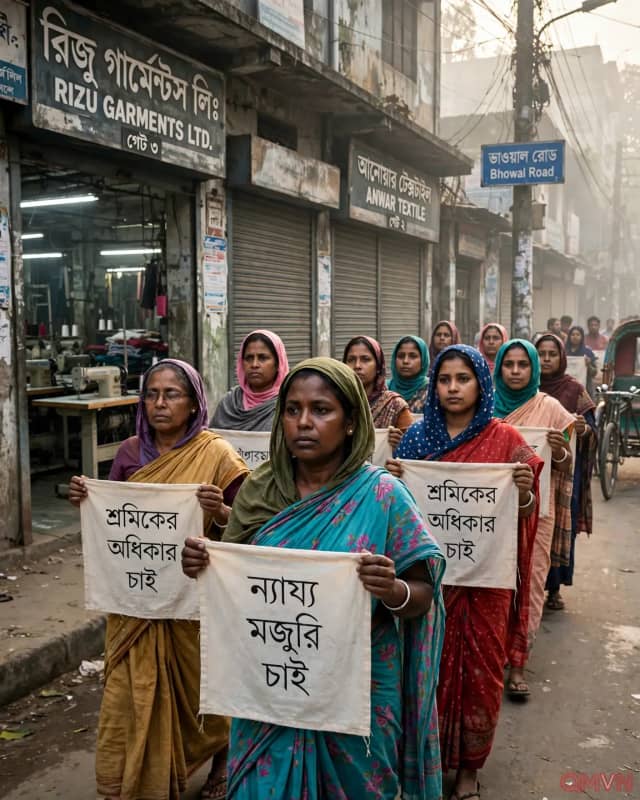
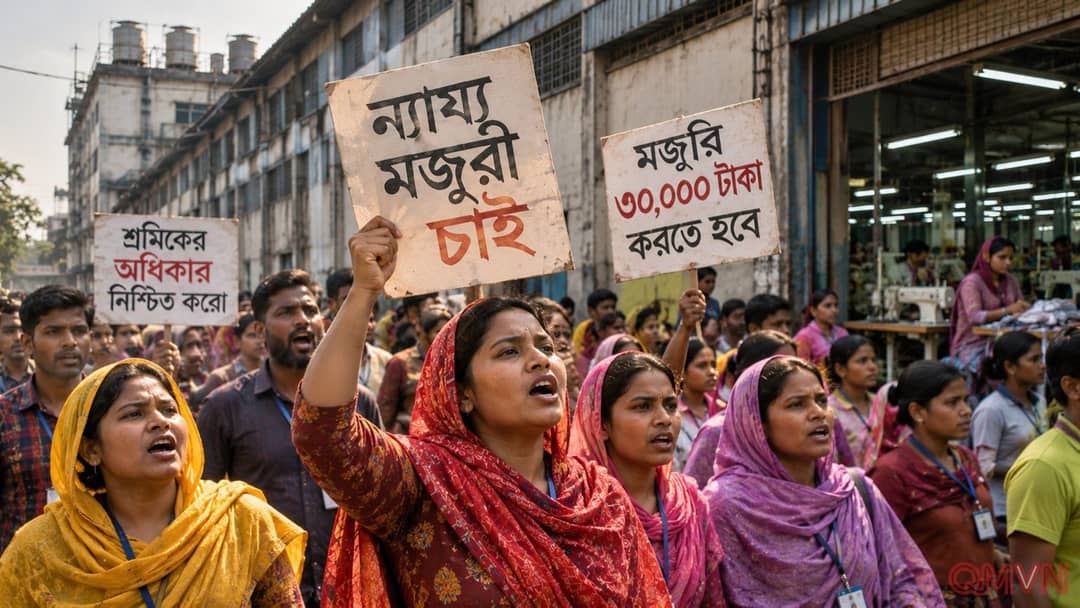
In industrial communities around Dhaka, the demand for a 30,000-taka monthly wage has brought thousands into the streets. The existing 12,500-taka minimum dates to 2023, making the requested figure 2.4 times higher. Yet the central argument is not simply about percentages. Workers say higher prices for food, housing, travel and children’s education have consumed their earnings and made even modest emergencies difficult to absorb.
Human Rights Watch interviewed a 31-year-old sewing-machine operator who said her rent cost 6,000 taka and cooking gas another 2,300 taka a month. The rights group also reported the death of garment worker Toufiq Hossain amid violence on November 3, citing a witness account of an assault; that account should not be mistaken for an independently established investigative finding. Such reports show why wage negotiations now overlap with questions about protest safety, accountability and trust.
Factory stoppages threaten a national lifeline
Reuters reported that more than 500 factories had temporarily shut as unrest escalated at the start of November. Closures are not uniform or permanent: some plants restarted operations while other industrial zones remained tense.