MAIN CONTENT
From the sewing floor to the streets
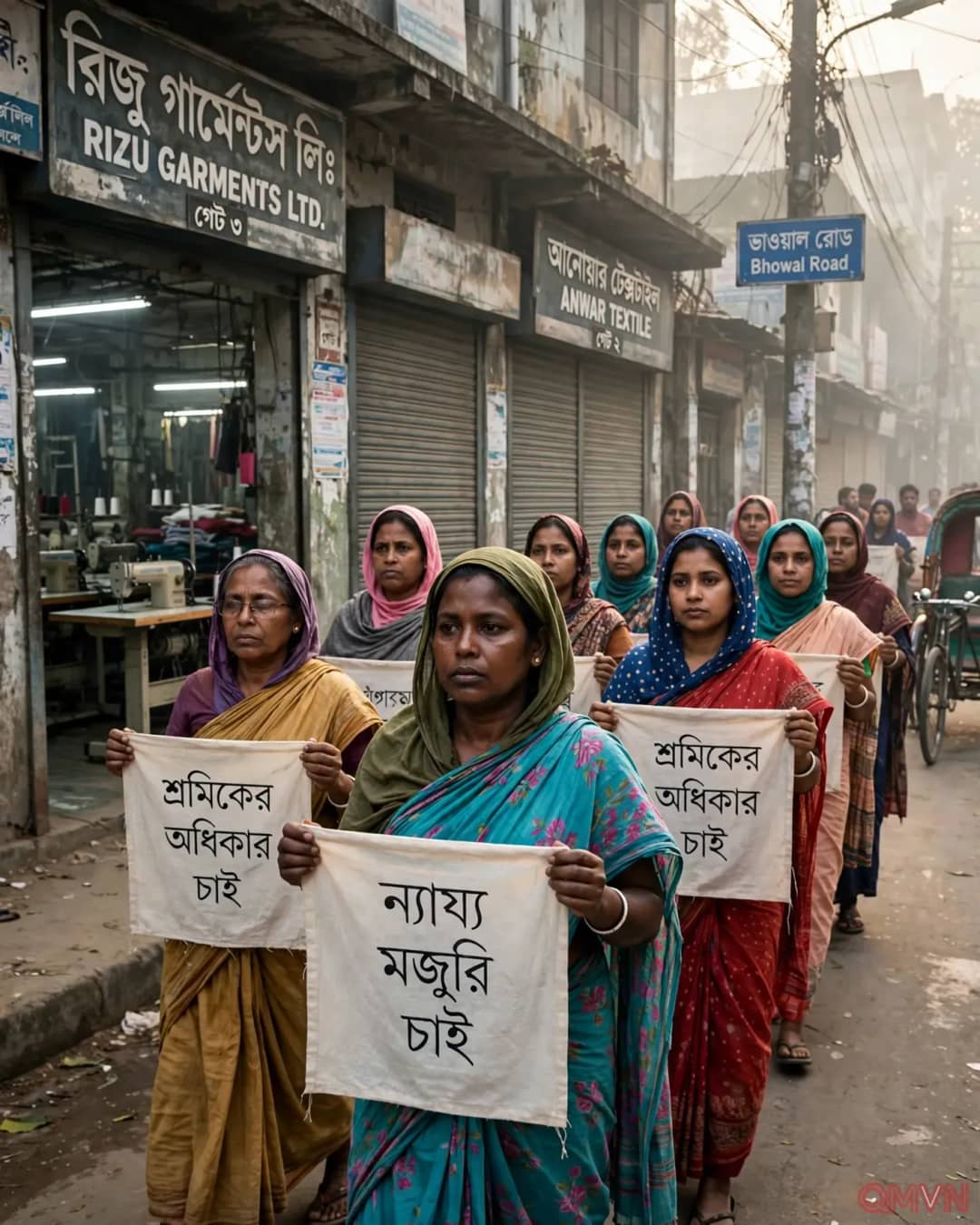
Workers around Dhaka say 12,500 taka is no longer sufficient to cover rent, food, transport and medical bills. Some gathered outside factories; others blocked roads, bringing traffic and production to a halt. Reuters and the Associated Press reported police use of tear gas at flashpoints. Authorities say order must be maintained and factories protected. Yet a day without pay can leave a household unable to buy essential groceries. The disagreement is therefore not simply about an additional amount on a payslip: it concerns economic security at the most basic level.
The scale of disruption has varied by day and by source. The Daily Star reported that 40 factories remained closed in Savar and Ashulia on November 16, with another 22 in Gazipur. Other local reports counted more facilities where production had stopped, including units observing temporary holidays. Such figures should not be added together because reporting times and definitions differ. What is clear is that the stoppages spread across several industrial clusters rather than remaining a dispute involving a single employer.
A wage board faces a credibility test
The government established a wage board to prepare a revised pay structure, intended to take effect in December, with the first revised wages paid in January 2027. Its meeting scheduled for November 16 was postponed because a member was ill, frustrating workers who were waiting for an offer from employers.