A finding that defies expectations
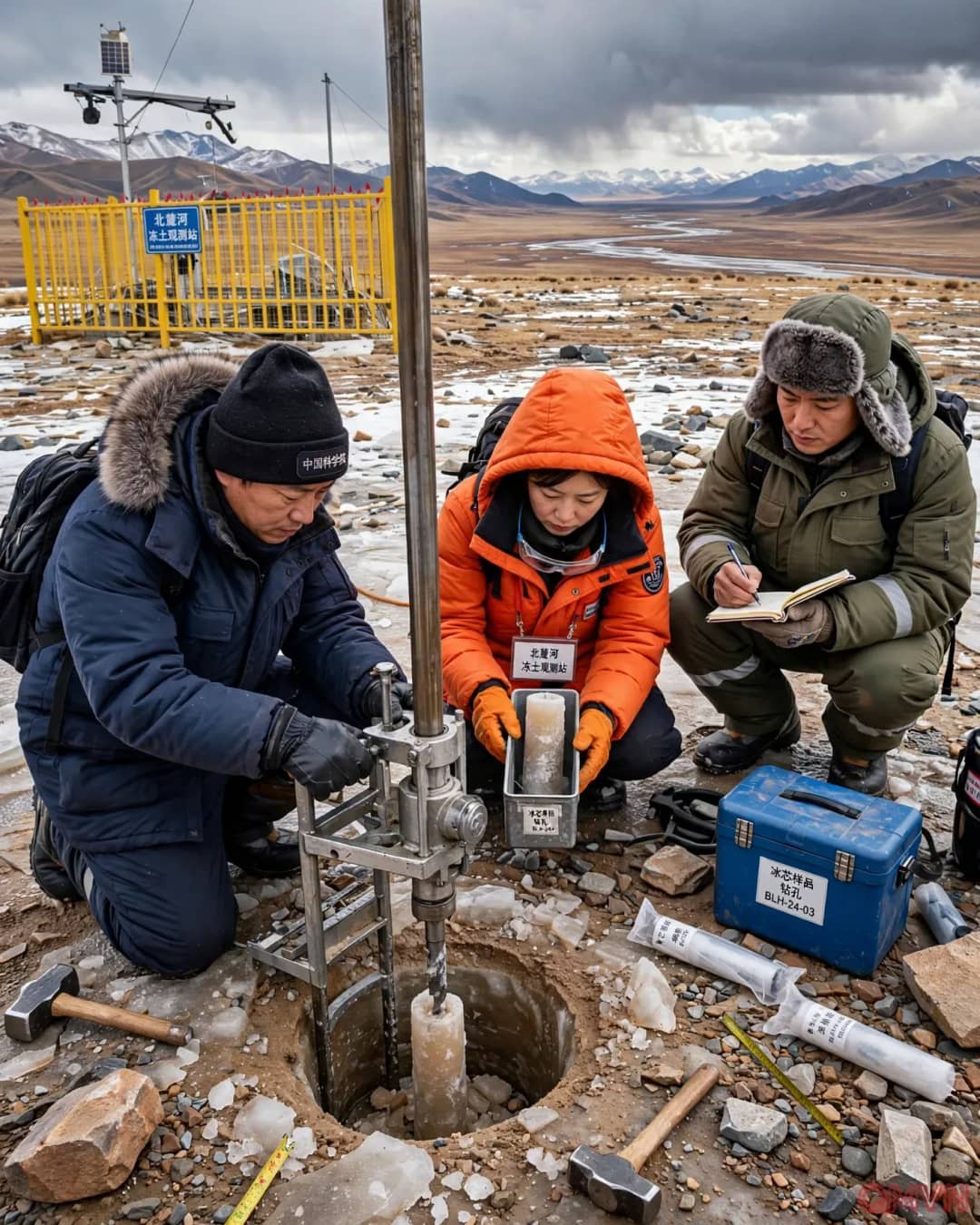
According to the South China Morning Post, a team led by Li Dongfeng of Peking University's environmental sciences and engineering collaboration found that shallow ground ice has unexpectedly increased over the past two decades, affecting more than a third of the plateau's permafrost, a phenomenon driven largely by natural climate factors. The study, conducted with Germany's Alfred Wegener Institute and Nanjing Normal University, was published in the peer-reviewed journal Science Advances in July.
The authors stress that the plateau is a highly sensitive region that has warmed at twice the global average in recent decades, causing substantial permafrost degradation. The thawing threatens landscape stability, ecosystem functioning and infrastructure safety, ultimately jeopardizing the sustainable development of over two billion people downstream.
That vulnerability was laid bare in late August, when a catastrophic landslide and flood triggered by a glacier collapse on the China-Nepal border left thousands dead or missing. The debris flow traveled 22 kilometers down the valley, reaching the Gyirong Port border crossing in just seven minutes, and a senior official at China's National Climate Centre warned that glaciers on the plateau were likely to become increasingly unstable.