MAIN ARTICLE
A city square becomes a place of remembrance
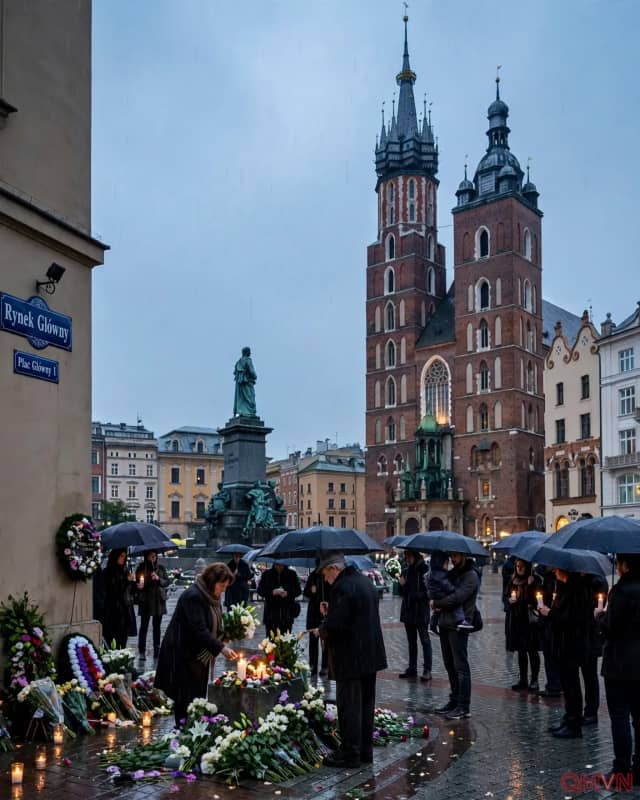
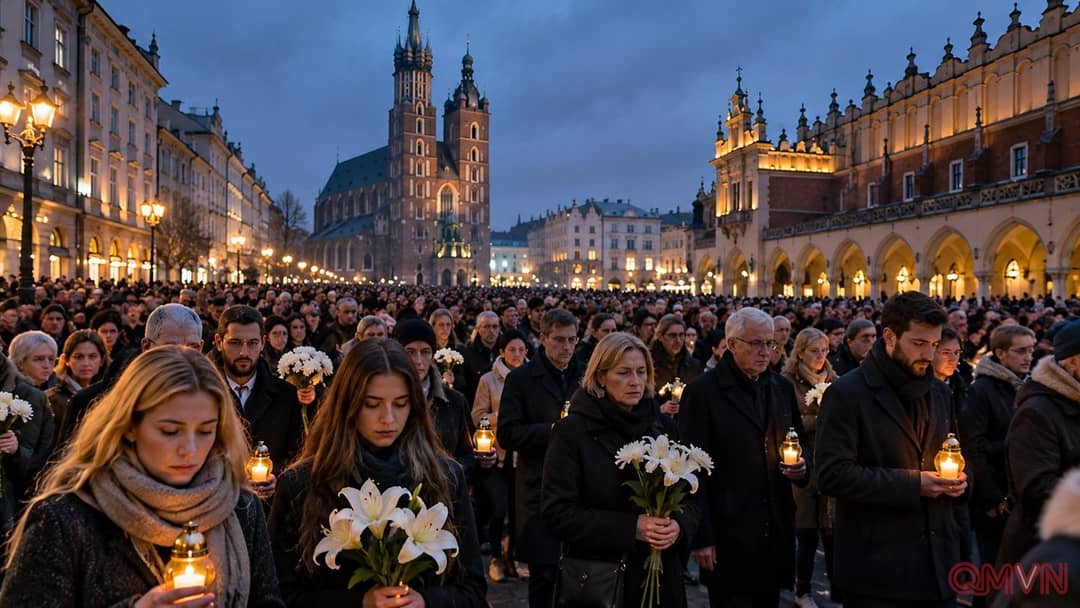
Candlelight flickered across the streets surrounding Kraków's Main Market Square, normally a meeting point for tourists and residents. On Monday evening, the familiar surroundings became a landscape of quiet footsteps and shared sorrow. Marchers followed part of the route taken by the attacker's car and stopped to place candles where people had been killed. Small acts of remembrance transformed sites associated with terror into places where neighbours could stand together.
President Karol Nawrocki, Prime Minister Donald Tusk and city representatives walked alongside the crowd. Their political differences remained real, but those differences could not diminish the loss endured by the victims' families. Deputy Prime Minister Władysław Kosiniak-Kamysz told TVN24 that citizens can still cooperate and seek common ground despite competing views. The march did not solve Poland's political disputes; it demonstrated that disagreement need not prevent compassion when people face a common tragedy.
What investigators have established
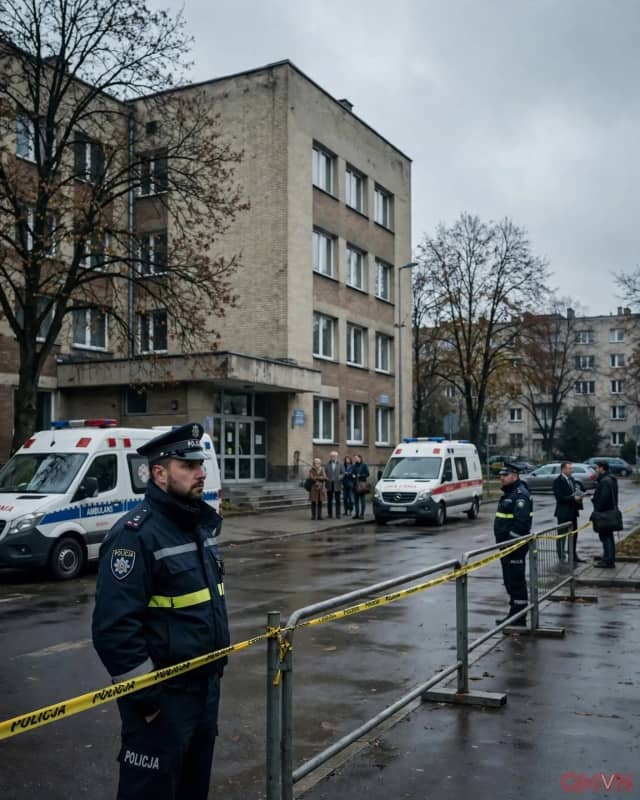
According to a November 9 statement from Poland's National Prosecutor's Office, six people were killed in the November 7 attack in Kraków, while many others were wounded, including two police officers. Investigators believe the 24-year-old suspect, a resident of Ostrowiec Świętokrzyski, also killed his parents and sister in the family apartment before travelling to Kraków. Those findings form part of an ongoing investigation, not a court judgment.