Iranians in Britain
Britain's Iranian-born community has formed in several waves:
The first major influx came in the 1970s and early 1980s, amid fear and then the reality of the 1979 Islamic revolution; these arrivals tended to be wealthier and were broadly welcomed given Britain's close ties to the deposed Shah.
More than 110,000 British residents were born in Iran, according to the 2021 census, and about five times that number in the US.
A majority are believed to oppose the regime, and the number granted asylum for fear of persecution exceeds that of any other European country.
More recently, many Iranians have arrived in small boats across the Channel, many of them ethnic Kurds seeking to join Kurdish communities in London and other cities.
The Times reports that some of the recent arrivals are alleged to have been planted by regime operatives, although most are asylum seekers. Officials also worry about links between pro-Iran forces such as Hezbollah, long involved in European drug smuggling, and organised crime groups.
Pro-regime centres
Alongside the anti-regime majority, there are pro-regime communities. The Islamic Centre of England in Maida Vale, north-west London, operates as the official representative of Iran's supreme leader while also serving as a mosque and registered charity. Similar regime-linked mosques operate in Manchester and Glasgow.
These centres do not hide their ties to Iran and have held vigils for regime leaders, such as former supreme leader Ayatollah Ali Khamenei when he was killed in an airstrike in February. The Islamic Centre of England received £109,476 in government furlough grants during the pandemic, a point raised by critics in parliament.
Historical roots of distrust
The two countries' ambiguous relationship predates the Islamic Republic. During the Great Game, the 19th-century contest between Britain and Russia for influence in Central Asia, London backed reformist movements in Qajar-ruled Persia. But in 1907 Britain reversed course with the Anglo-Russian Entente, and the two powers backed the Shah in overthrowing the constitution and closing down democratic activity, making Britain the sly old fox in Iranian eyes ever since.
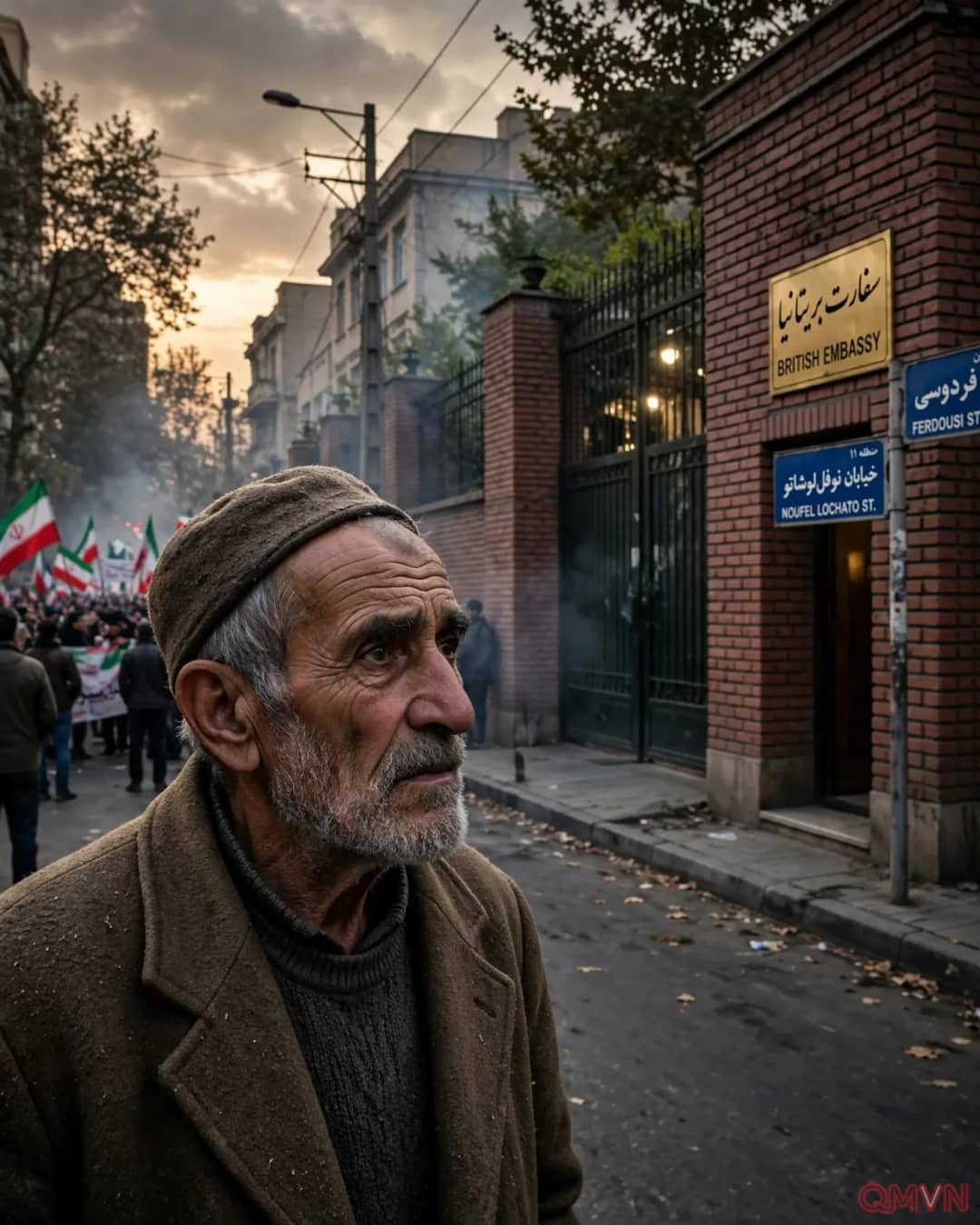
British and American involvement in the 1953 pro-Shah coup is often seen as the turning point in popular attitudes that ultimately led to the Islamic revolution 26 years later and its rejection of both Western nations. Those memories are still invoked in regime propaganda, as when protesters burned the Union Jack outside the British embassy in Tehran on November 4.
Education and security
Still, Britain cannot be ignored, either as a global power or as a route to education, which has always been highly valued in Iran. Former President Hassan Rouhani holds a degree from Glasgow Caledonian University, where a nephew of Ali Larijani, the head of the Supreme National Security Council killed in the war in March, is a professor.
These links have repeatedly been raised in parliament and by the anti-regime diaspora. But only in July was the Islamic Revolutionary Guard Corps proscribed in the UK, a move supporters call overdue and cautious voices fear could complicate diplomatic channels.