The first business lesson came from a small market stall
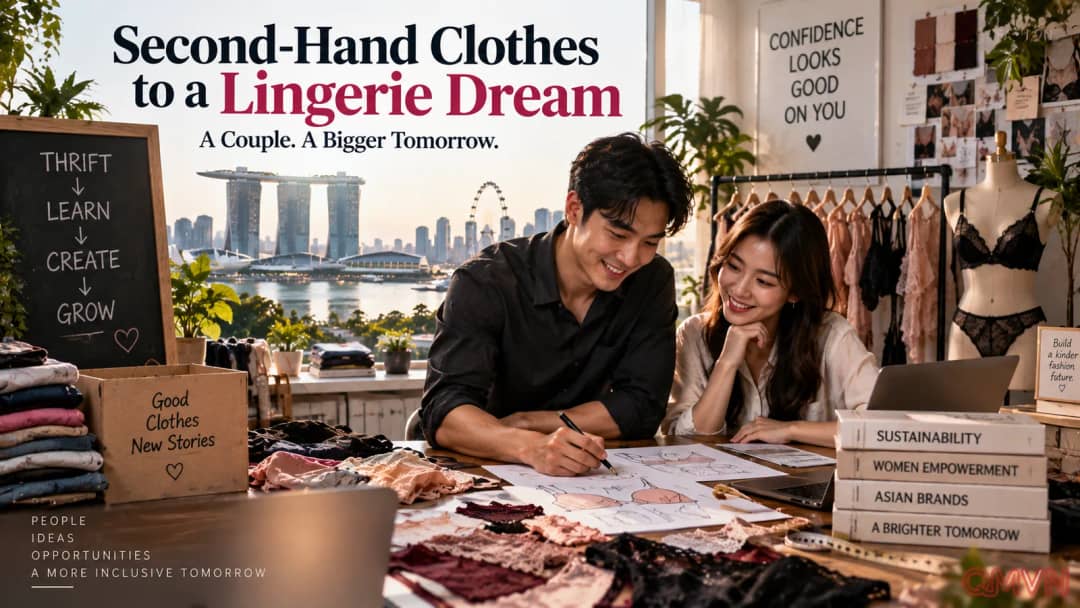
Peh and Tan met when they were 13. When schools closed during the SARS outbreak, the two 15-year-olds decided to try selling second-hand clothes at a neighbourhood market and online rather than simply waiting for normal life to resume. They had little capital and no meaningful business experience, but buying stock, serving customers and putting most of their earnings back into inventory gave them an early lesson in cash flow and reinvestment.
The significance of that beginning is not that success arrived immediately. It is that they discovered they could create a small commercial system themselves, observe customer responses and learn from everyday decisions. Peh later came to view this as his first practical exposure to compounding: money generated by the activity was fed back into the activity so that the system could become larger and more capable over time.
Selling a company became a practical education in value
Around the age of 20, Tan and Peh built The Sample Store, described as Singapore’s first online “tryvertising” platform. Consumers could order free beauty samples, test them before buying and earn additional samples by posting reviews. The model connected product discovery, consumer feedback and e-commerce at a time when such combinations were still relatively novel.