The British Pound Hits a Seven-Week High as the US Dollar Weakens After the Midterm Elections
The British pound on Wednesday rose to its highest level since September 15, buoyed by a weaker US dollar after Democrats won a sweeping victory in the midterm elections, taking control of both chambers of the US Congress. At 10:22 GMT, sterling was up 0.63% against the dollar at $1.3495 and slightly firmer against the euro. Beyond the US factor, the United Kingdom’s currency has also been supported by expectations that the Bank of England (BoE) will raise interest rates at its meeting on Thursday, as well as by Finance Minister John Healey’s cautious budget aimed at supporting households through “global economic storms.” However, many analysts warn that much of the optimism is already priced in, leaving limited room for further gains. The BoE’s decision and message on Thursday will be the next key test for the currency.
Edite QUANG MINH·2 min read · 3 min listen·4 November 2026, 08:13 EST·
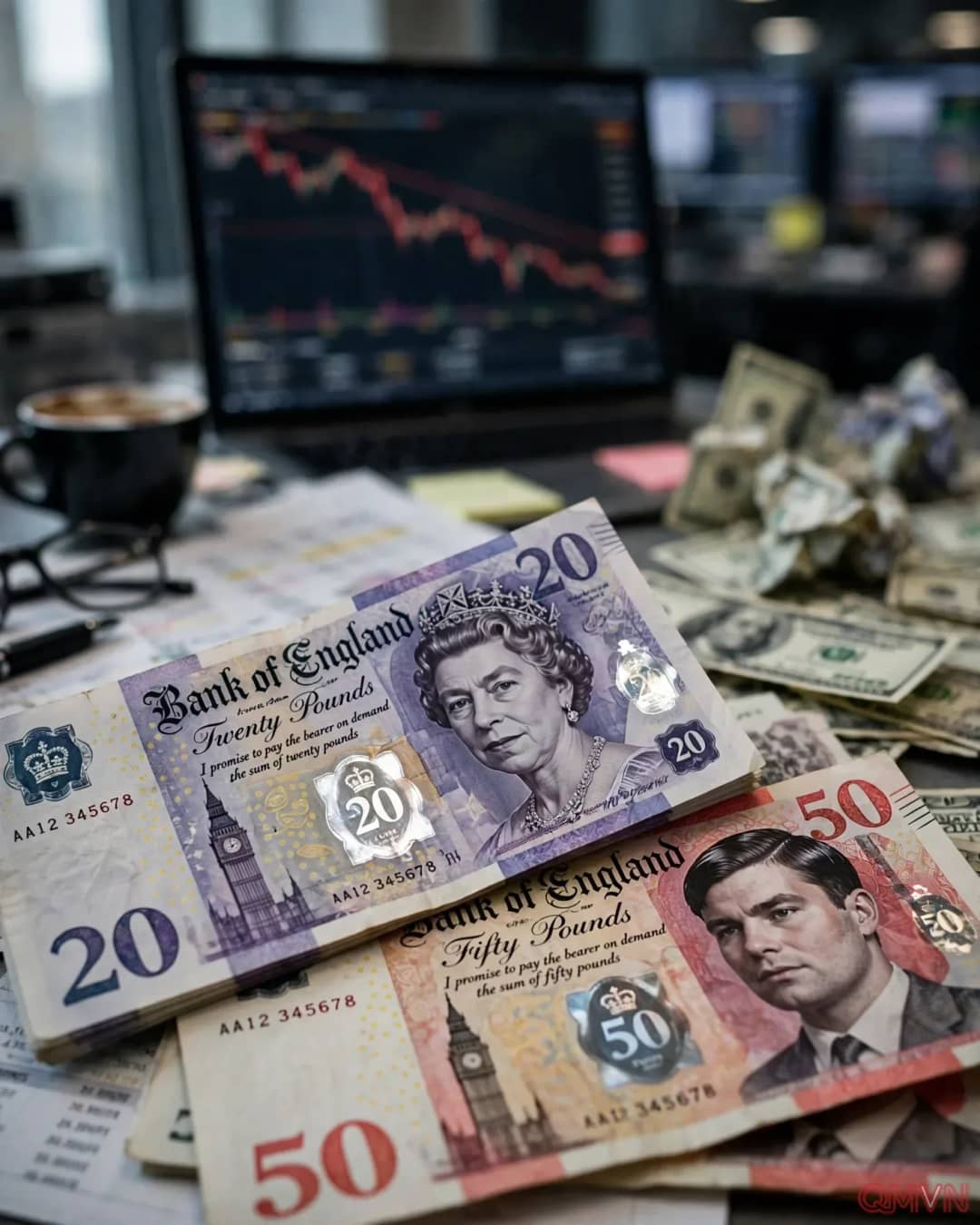
AI-generated illustration
Sterling breaks higher
On Wednesday, the British pound climbed to its highest level since September 15. At 10:22 GMT, sterling was up 0.63% against the dollar at $1.3495, and stood at 83.43 pence per euro, a touch firmer on the day.
The immediate driver was a weaker US dollar after Democrats won control of both chambers of the US Congress.
Advertisement300 × 250
The election result raised expectations of a new political phase in Washington, prompting investors to adjust their positions on the greenback.
The pound’s drivers
The pound’s rise has been supported by several factors at once:
A weaker US dollar after the US midterm election results
Finance Minister John Healey’s cautious budget, focused on supporting households through “global economic storms”
Expectations that the BoE will raise rates at its meeting on Thursday
Money market data showing investors have priced in a rate increase
As a general rule, higher interest rates make a currency more attractive to investors, as yields on assets denominated in that currency rise.
Cautious voices
Some analysts, however, believe much of the optimism is already priced in, leaving sterling with limited room for further gains.
BoE hike pricing continues to look stretched relative to G10 peers, and valuation remains a clear challenge for Sterling.
Some economists polled by Reuters expect the central bank to temper market bets on three to four rate increases in 2027.
A ‘dovish hike’ would be a headwind for GBP, but we don’t expect that it would do lasting damage with fundamentals improving.
A decisive Thursday
All eyes are now on the BoE’s decision. Not only the rate level, but also the message on the policy path for 2027 will determine whether the pound can hold its gains.
For British households, a stronger pound lowers the cost of imports, including energy. But higher interest rates also mean costlier mortgages and consumer loans, illustrating the difficult trade-offs policymakers must weigh.
EVENT BACKGROUND.
The pound’s story in recent years has been bound up with market confidence. After the 2016 Brexit referendum, sterling fell sharply. In 2022, the “mini-budget” with unfunded tax cuts under Prime Minister Liz Truss sent the pound to a record low against the dollar, forcing the BoE to intervene urgently in the bond market. That lesson has made subsequent governments especially cautious on fiscal policy. In 2024-2025, as inflation eased, the BoE repeatedly cut interest rates. In 2026, however, the energy price shock from the war in the Middle East brought inflation back, prompting several central banks, including the US Federal Reserve, to consider raising rates. Against this backdrop, Finance Minister John Healey’s budget was received by markets as a signal of fiscal prudence. Optimists believe the fundamentals of the UK economy are improving; cautious voices warn that expectations of rate hikes have been pushed too high. The core knot is the balance between curbing inflation and protecting growth, while global political volatility continues to steer capital flows.
USEFUL LESSONS FROM THE ARTICLE
A currency’s value reflects market confidence in both policy and politics.
When expectations are fully priced in, even a small surprise can reverse the trend.
A strong currency brings benefits, but it is no cure for all of an economy’s ills.
Subscribe to the QMVN newsletter
A daily morning digest - only stories worth reading, no spam.