MAIN CONTENT
A declaration of support amid electoral losses
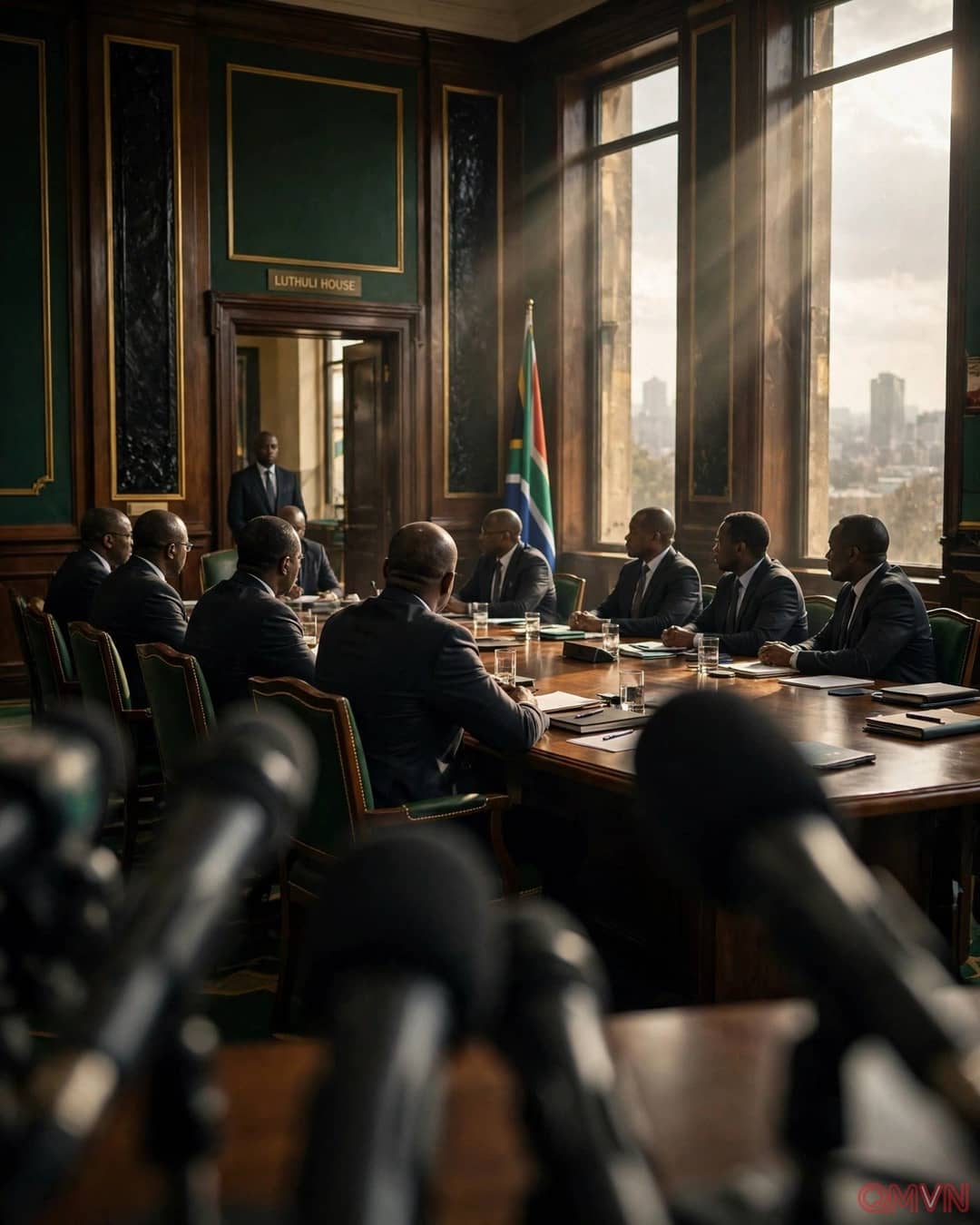
On November 12, ANC spokesperson Mahlengi Bhengu addressed journalists before the party’s National Executive Committee met to consider a framework for coalition discussions. Her message was categorical: the leadership was not putting pressure on Cyril Ramaphosa to step down. Bhengu also rejected a media report suggesting he had contemplated resigning as party leader, describing it as a fabrication. The response was aimed at separating speculation over an individual’s future from the practical work confronting the organization.
The electoral damage, however, is not disputed. Reuters reported a national vote share of 30.76% for the ANC, compared with 45.59% five years earlier. The Democratic Alliance (DA) placed second on 24.64%, while the uMkhonto weSizwe (MK) Party took 9.76%. The figures measure municipal voting rather than parliamentary seats, but their political message is unmistakable: historical dominance no longer guarantees contemporary consent. The ANC remained the largest party nationally without securing control of many crucial urban councils.
Cities become the immediate political test
For residents, the significance of coalition talks is decidedly concrete. Municipal governments manage essential local responsibilities, including water provision, sanitation and everyday infrastructure. Where no party holds a majority, competing organizations must agree on budgets, leadership and governing priorities.