Silence before the explosion
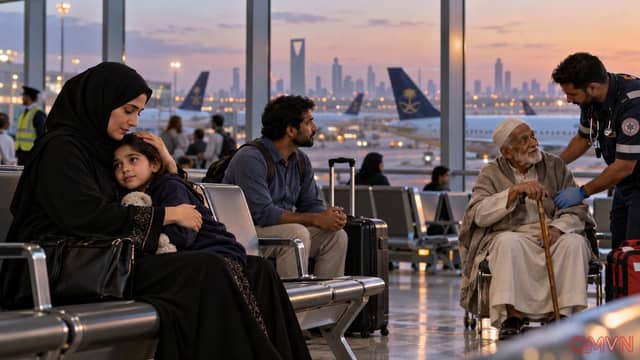
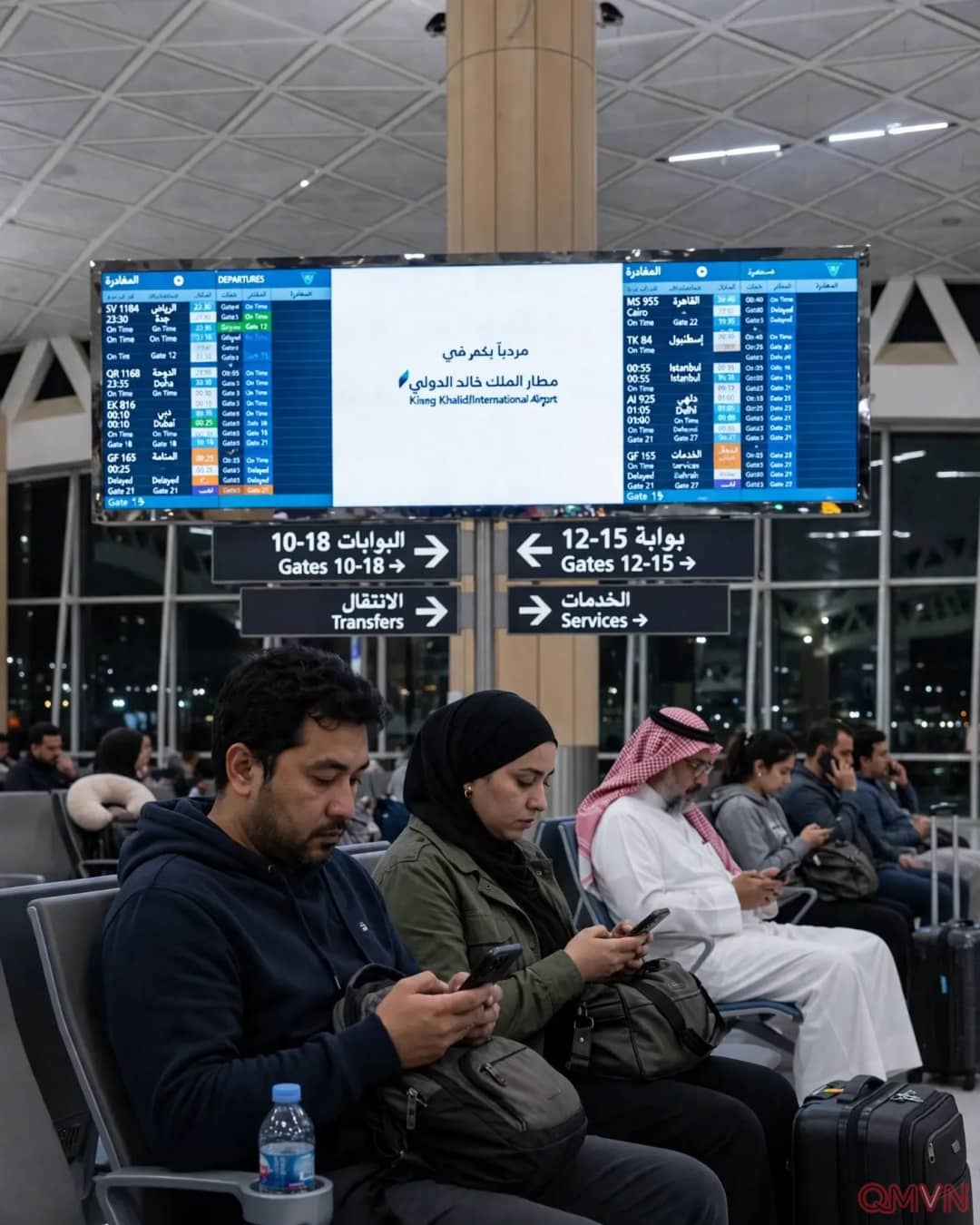
Footage released by Saudi state television on Sunday captured the ordinary rhythm of an airport terminal on Saturday: dozens of travellers lining up to board a flight, men and women seated in rows, eyes fixed on their phones. Then came the bright orange flash of a missile explosion. No public warning had preceded it.
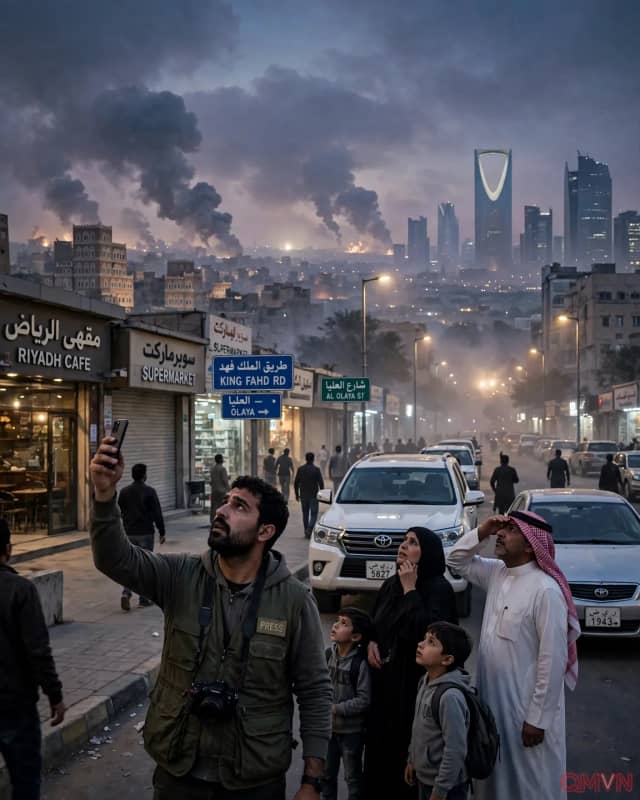
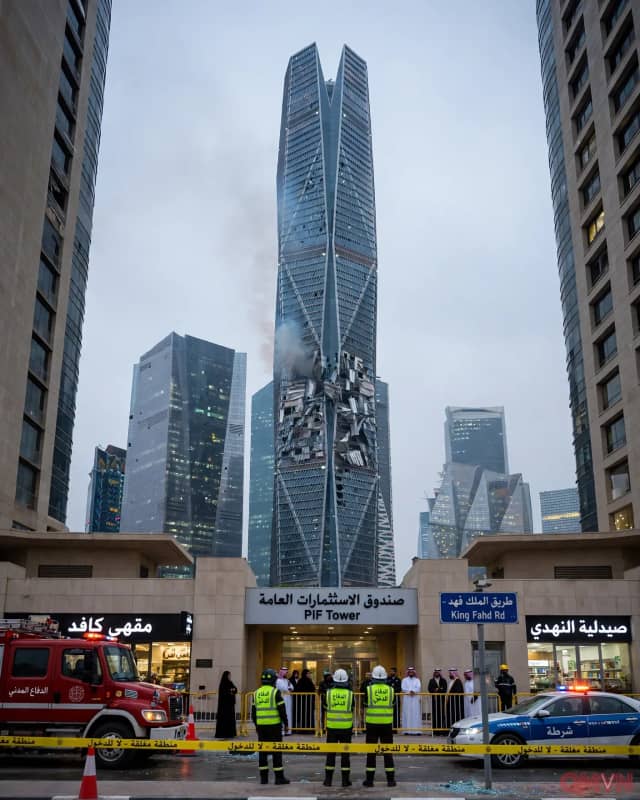
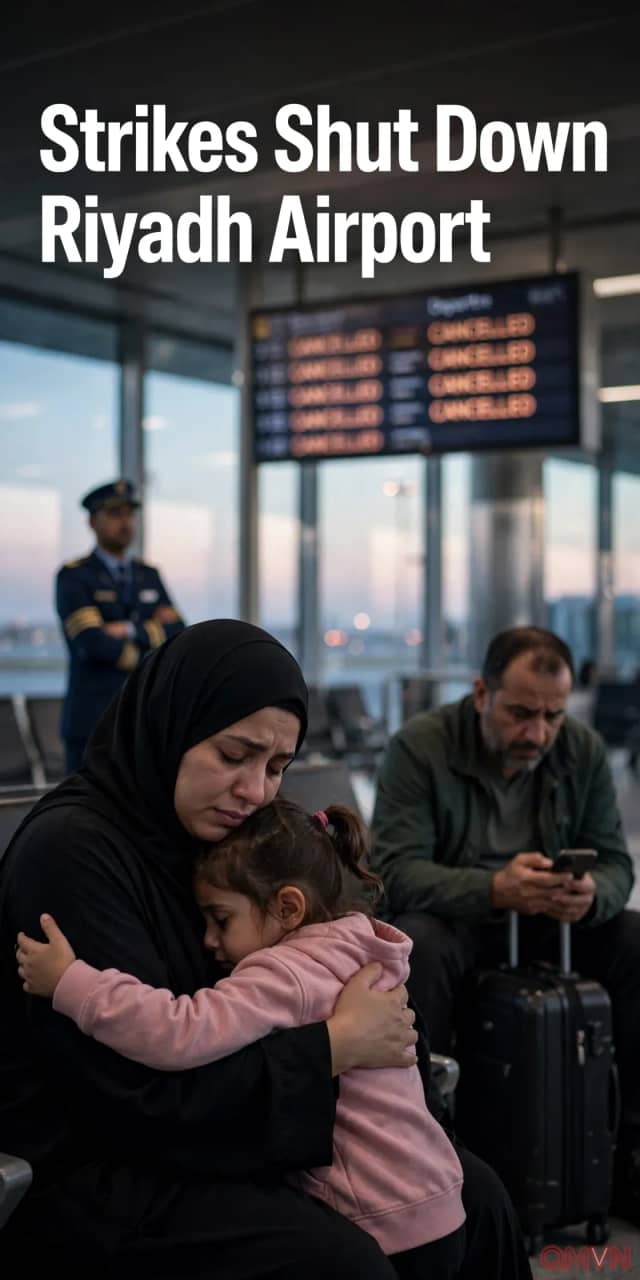
At least 18 people were killed and more than 300 wounded in the strikes on Riyadh airport over the past week. The government has not said why no alerts were issued before any of the four attacks on the capital. The civil defence authority, which operates under the interior ministry and runs the early warning system, and the government media office did not respond to questions from Reuters. Former US ambassador to Saudi Arabia Michael Ratney said Riyadh was trying to respond to the Houthis without causing social disruption, but warned of the consequences.
The lack of alerts of incoming Houthi attacks creates the very nervousness they are trying to avoid.
A system that went quiet
Saudi Arabia began sending threat alerts to mobile phones and social media through a national early warning system in May. Yet as Houthi attacks increased, the system fell silent; the last alert before last week's strikes was issued on September 29 for the southern province of Najran. Since the US-Iran war began in February, every Gulf country has come under fire from Iranian drones and missiles, but each has handled public warnings differently: