MAIN ARTICLE
Capacity alone does not guarantee output
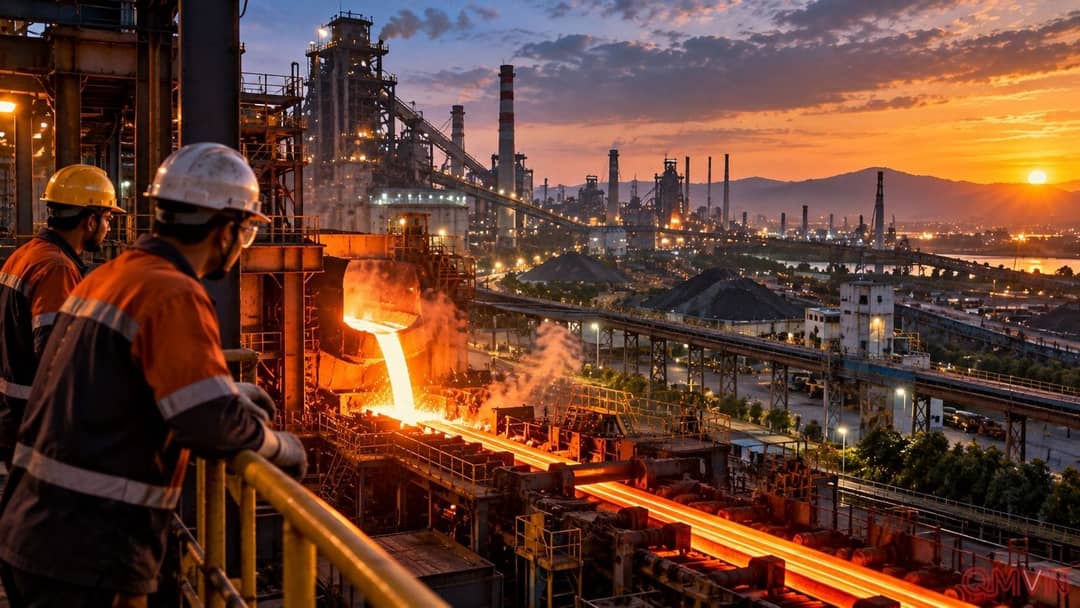
India’s Steel Ministry envisages 604 million tons of crude-steel capacity in 2047, about 2.75 times the current 220 million tons. Installed capacity is distinct from actual output: plants must have reliable inputs, sufficient orders and viable operating costs before headline capacity can translate into saleable metal.
The ministry projects finished-steel consumption of 505 million tons by 2047 and per-capita use increasing from about 116 kilograms to 302 kilograms. Housing, transport, urban infrastructure and machinery could contribute to demand. These remain long-range assumptions, however, rather than guaranteed outcomes.
Securing ore and coal across borders
The Reuters account of the draft puts potential iron ore demand at 772 million tons and coking coal demand at 236 million tons. To obtain high-grade ore, the government is considering overseas assets and joint ventures, while diversifying coal supplies through international partnerships.
Supply security is about more than securing a low purchase price. Port capacity, freight, ore quality, exchange rates and geopolitical disruptions shape the final cost of producing steel. If capacity expands faster than access to feedstocks, expensive factories could run below their design potential.