MAIN CONTENT
A cluster of illness, and a race to treat patients
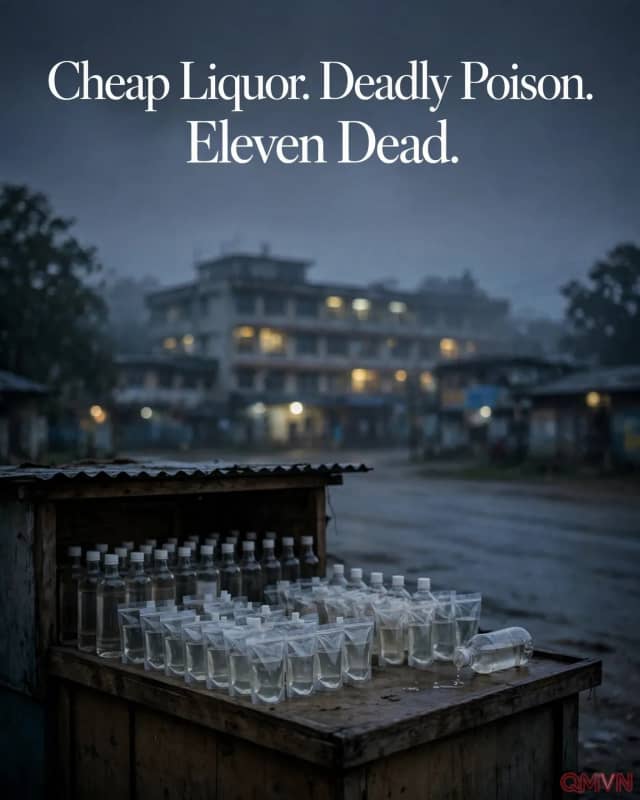
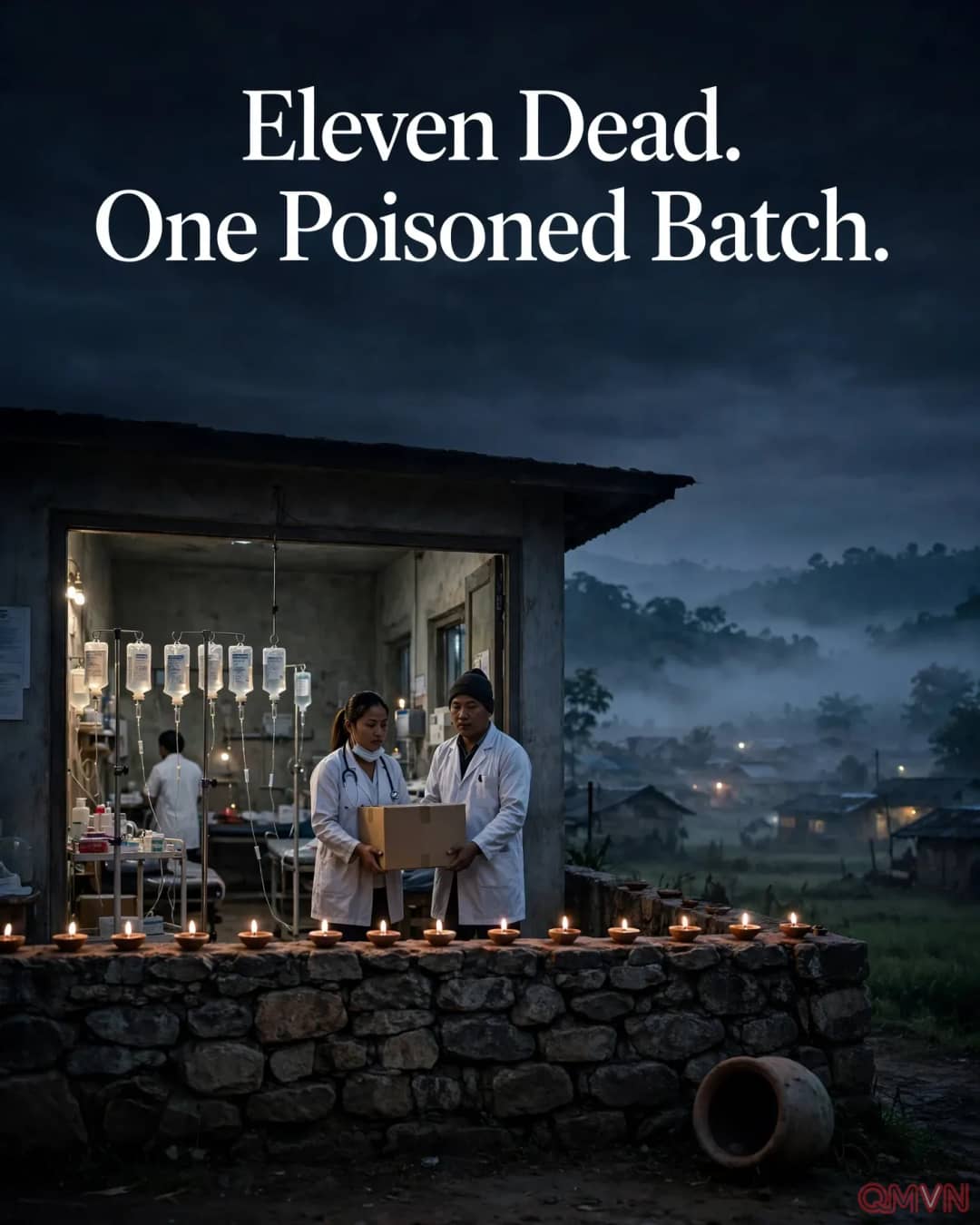
The first alarms emerged as people who had consumed liquor in and around Chandel fell ill over several days in mid-November. Reuters reported at least 11 deaths and more than 180 hospitalisations, citing the chief minister. The Indian Express and other Indian outlets subsequently described more than 300 admissions, while India Today reported at least 15 fatalities. These figures come from different reporting moments and should not be combined into a single verified total. Each represents families facing the uncertainty of an evolving emergency.
Patients were treated at facilities including Shija Hospitals and Research Institute and Babina Hospital in the Imphal area. During a hospital visit, Yumnam Khemchand Singh instructed administrators to provide the best available care and necessary support. A medical team, specialist personnel and essential medicines were also dispatched to the affected district, according to Reuters. Such deployments matter because poisoning can deteriorate after a deceptively quiet interval, making referral and rapid recognition as important as bed capacity.
The response extends beyond hospitals. District authorities have advised residents to avoid liquor of uncertain origin, particularly beverages connected to the suspected source. They have encouraged people who drank the same batch to seek examination even if they initially feel well. Public-health messaging has to travel quickly through villages and neighbourhoods, where a shared drink can expose many people before anyone realises the scale of the danger.
Why suspected methanol contamination is so dangerous
Methanol is an industrial alcohol that can be present in dangerously adulterated spirits. Unlike ordinary drinking alcohol, it can be metabolised into highly toxic compounds that damage the nervous system and other organs.
Early symptoms may resemble an ordinary hangover or stomach illness; later, blurred vision, breathing difficulty, confusion and severe metabolic disturbances can appear. Untreated poisoning may lead to permanent blindness or death. Symptoms alone, however, cannot prove methanol was present in this particular incident.
The Chandel administration's warning, reported by India Today, listed vomiting, abdominal pain, headache, dizziness, blurred vision and breathing difficulties as reasons to seek urgent medical attention. Importantly, people who shared a suspected drink should not wait for dramatic symptoms. Hospital teams must assess exposure, monitor patients and determine treatment using clinical evaluation and appropriate testing. The public should not attempt home remedies or assume that drinking a different alcoholic beverage makes the exposure safe.
Investigators must also distinguish between a suspected cause and laboratory confirmation. A cluster of similar symptoms creates a strong reason to investigate toxic alcohol, but the origin of a contaminated batch, its ingredients and the responsibility for distributing it require evidence. Preserving samples, tracing sellers and maintaining reliable patient records are central to understanding how the harm spread.
Tracing the alcohol supply without rushing to blame
Police cited in Indian media said the suspected liquor had reportedly been obtained from Sugnu in neighbouring Kakching district rather than brewed in Chandel. They also cautioned against circulating unverified claims. The distinction matters: identifying where a product was purchased is not the same as proving where contamination occurred or who knowingly supplied it. An effective inquiry must follow the distribution chain without turning speculation into a verdict.
The chief minister has promised an investigation and assistance for patients. The state faces two parallel obligations: establish accountability through credible procedures and prevent further exposure immediately. Cooperation among medical staff, local officials, police, community leaders and retailers may help locate remaining bottles and alert potentially exposed households. Any eventual prosecution will depend on evidence, not on the speed of public outrage.
A health warning with implications beyond Manipur
Adulterated-alcohol tragedies recur in parts of India, where inexpensive, informally sold liquor can reach customers outside robust quality controls. For consumers, the product's appearance or familiar seller may not establish that it is safe. The danger also reflects economic pressures: a lower purchase price can carry risks invisible at the moment of sale. Those realities make prevention more complex than simply blaming individual drinkers.
Better inspection, traceable supply chains, credible consumer alerts and rapid access to emergency medicine could reduce the toll of future outbreaks. In Manipur, the immediate priority is care for the sick and a transparent accounting of what happened. The longer-term test will be whether lessons from one district become practical safeguards for communities elsewhere. When trust is damaged by a preventable poisoning, restoring it requires both scientific clarity and sustained public action.