MAIN ARTICLE
A strong opening that could not withstand the dollar
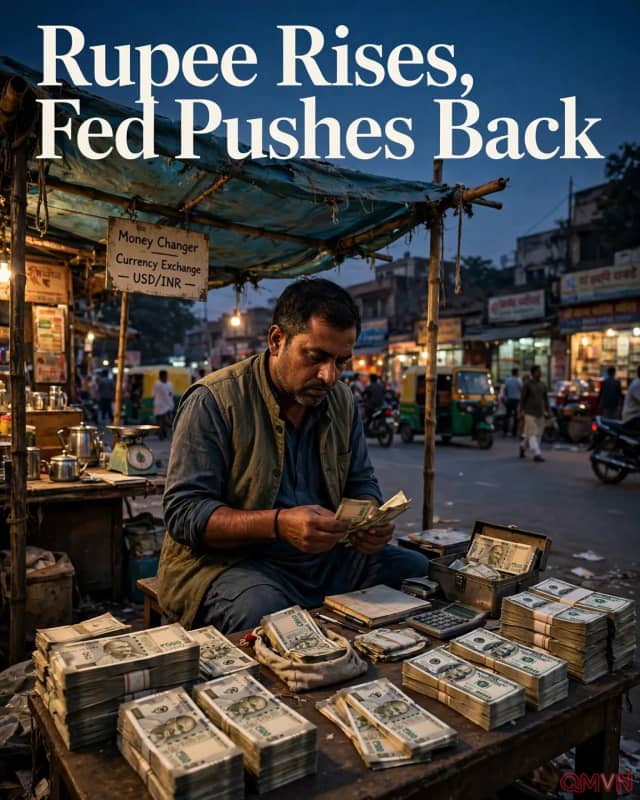
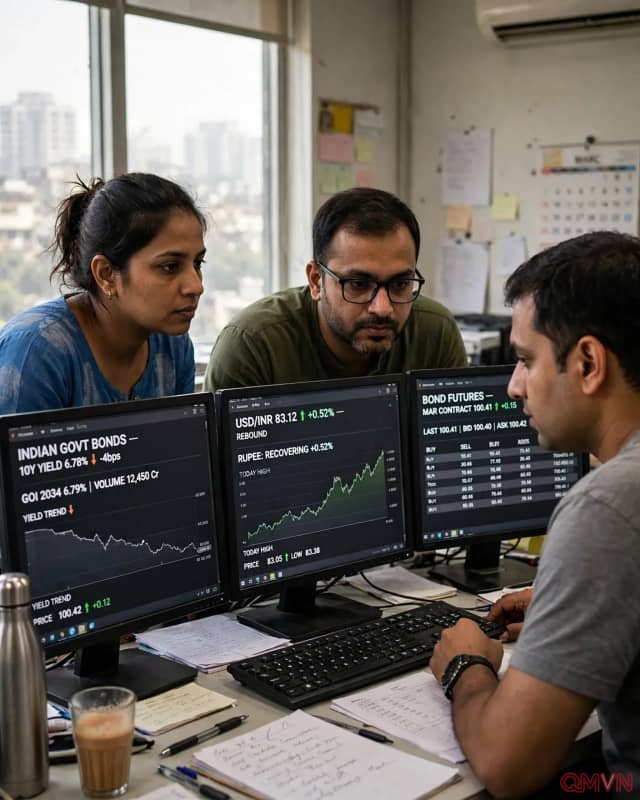
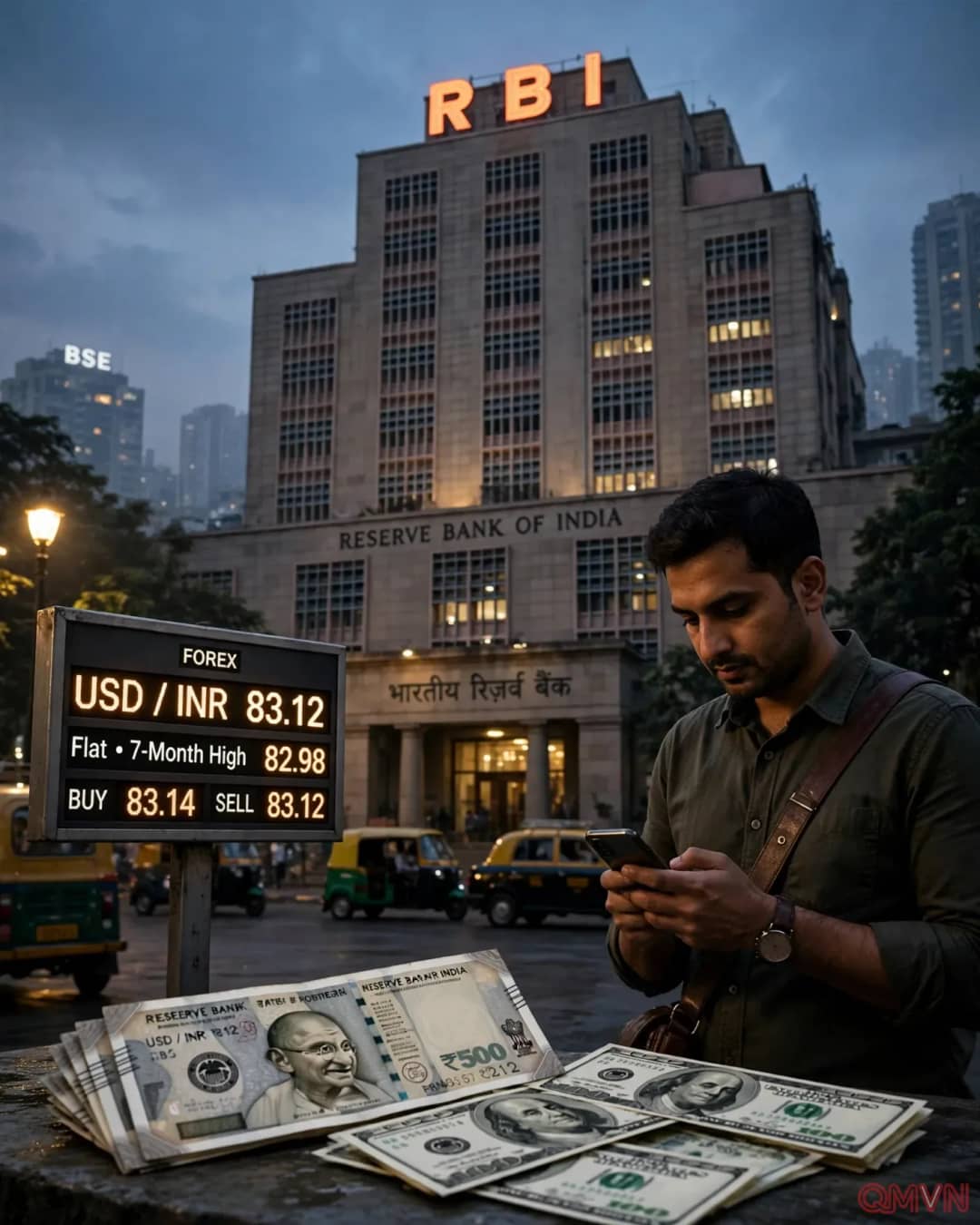
At first glance, Wednesday appeared poised to extend the rupee’s rally. The exchange rate briefly strengthened to 93.2550 per dollar, a seven-month high, before international currency markets changed the direction of the session. By the close, the rate had settled at 93.44, a marginal gain from Tuesday’s 93.47. Because the exchange rate is quoted in rupees for one dollar, a lower number signifies a stronger Indian currency. The early rally and subsequent retreat therefore describe two distinct forces rather than a contradiction.
The dollar index rose around 0.2% to 103.8, with the US currency gaining nearly 2% over November, according to Reuters. Encouraging American economic indicators and hawkish remarks from Federal Reserve policymakers encouraged traders to consider faster US interest-rate increases. Higher expected yields on dollar assets can draw money toward the United States, making it harder for emerging-market currencies to appreciate even when their domestic fundamentals improve. India's experience was a particularly clear demonstration of this international transmission mechanism.
Overseas capital changes the balance
The rupee’s relative resilience has a domestic foundation: overseas investors have invested approximately $10 billion in Indian equities during November, Reuters reported. Portfolio inflows increase demand for rupees as foreign buyers acquire local assets, although conversion patterns and hedging can complicate that relationship.
The resulting change in sentiment has helped the currency strengthen around 1.5% for the month despite the dollar’s broader advance. The magnitude and speed of the inflows are important because exchange rates respond not only to economic conditions but also to the willingness of investors to hold risk.
Signals from the offshore non-deliverable forward market added another dimension. On Wednesday, the rupee traded more strongly in that market than in the domestic market, while traders pointed to the reversal of bearish currency positions. Such positioning can accelerate a recovery when investors who previously expected depreciation begin unwinding their trades. But a position-driven rally need not be permanent: its durability ultimately depends on continuing capital inflows, earnings prospects, international monetary policy and confidence that the exchange market can operate smoothly.
The central bank’s stabilising role
The Reserve Bank of India has not been a passive observer. In October, it introduced measures designed to reduce speculative dollar demand and discourage foreign-exchange activity unsupported by underlying commercial exposure. The central bank’s October bulletin linked the rupee’s subsequent recovery partly to those actions and to a softer dollar at that time. Restrictions may limit disorderly trading, but they do not eliminate the global pressures that determine the cost of capital and the appetite for emerging-market assets.
DBS, in a market note cited by Reuters, described the rupee as resilient against dollar strength, pointing to portfolio inflows and a renewed presence of exporters in the market. The bank saw a near-term inclination toward exchange-rate stability while the Reserve Bank’s measures remained effective. That is an assessment, not a guarantee. Exporters selling foreign-currency revenues can create a useful supply of dollars, while importers needing dollars, rising energy prices or another international shock can reverse the balance quickly. For companies, disciplined currency-risk management remains more valuable than trying to predict a single closing rate.
What this means for the wider market
The currency’s performance matters beyond foreign-exchange dealing rooms. A steadier rupee can ease the burden of imported inputs and foreign-currency liabilities, while a stronger rupee can reduce the domestic value of export receipts. Equity investors, meanwhile, must consider the combined return on Indian shares and any movement in the exchange rate. The same inflows that strengthen stock-market valuations can support the currency, but that feedback may run in reverse when international investors retreat.
Attention was also turning to Anthropic’s planned share pricing and market debut, which Reuters described as a test of appetite for artificial-intelligence investment. That event does not directly determine the rupee’s value; it illustrates how global investors continually reassess risk across markets. The crucial question for India is whether sustained productive investment and credible policy can turn a month of strong portfolio demand into more lasting confidence. Wednesday’s flat close should therefore be read less as a disappointment than as evidence of a currency caught between powerful, competing currents.