MAIN ARTICLE
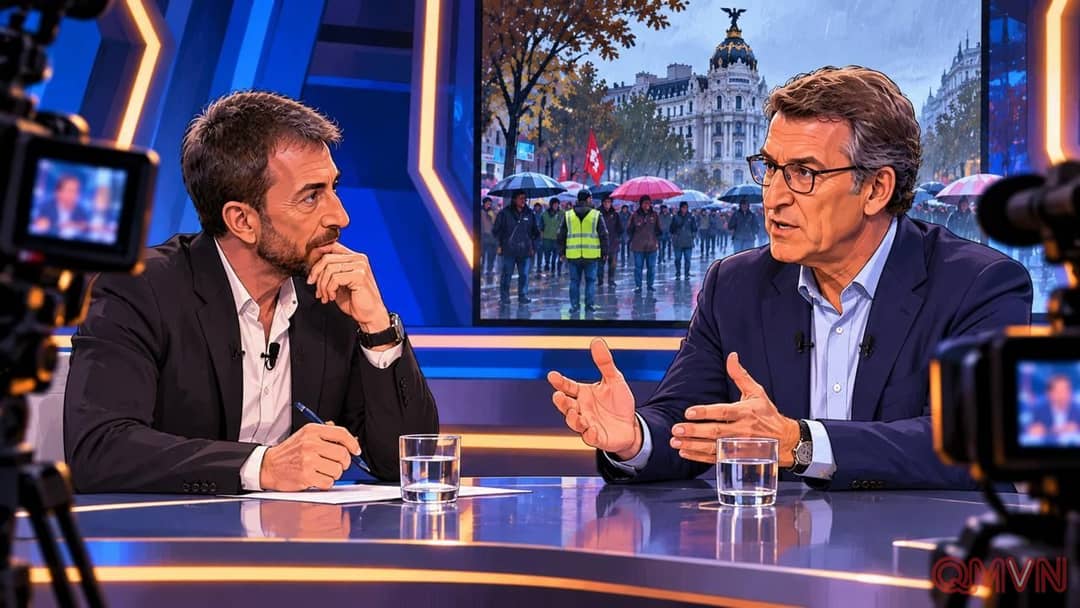
A television studio against a backdrop of protest
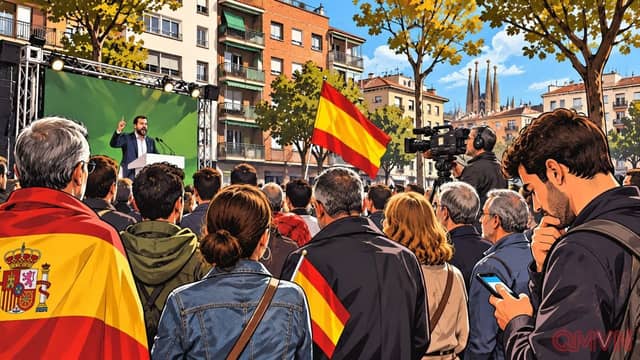
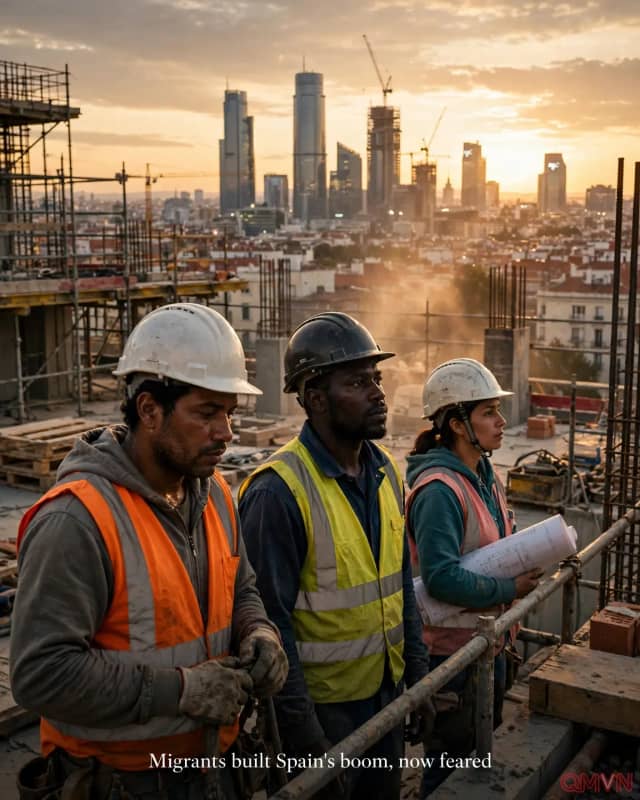
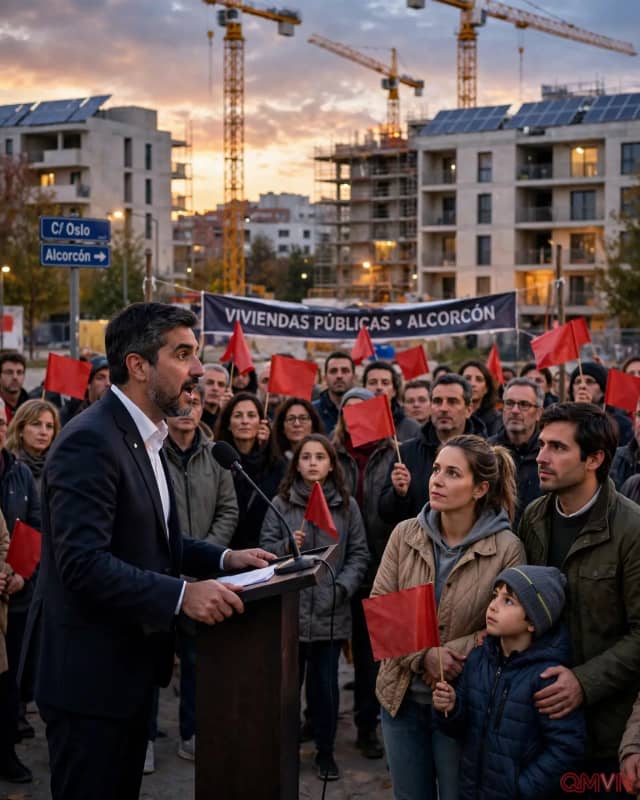
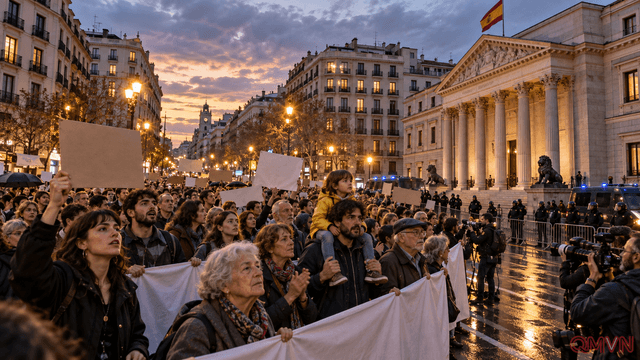
The interview coincided with a general strike over the affordability of housing and broader pressures on household budgets. Transport and other services experienced disruptions, and workers marched in several cities. Antena 3 carried Feijóo’s appearance while David Broncano’s La revuelta did not broadcast a new programme. That contrast shaped the evening’s media narrative, although a broadcaster’s scheduling decision alone cannot establish what its staff or viewers believe about the industrial action.
For a candidate seeking votes, a popular entertainment programme offers access to audiences who may rarely watch parliamentary debates. It is a chance to sound familiar, accessible and confident. Yet reach should not be confused with consent: the presence of a politician on a well-known set does not validate their claims. The more important question is whether viewers receive enough evidence and context to judge what they hear.
When the presenter becomes part of the story
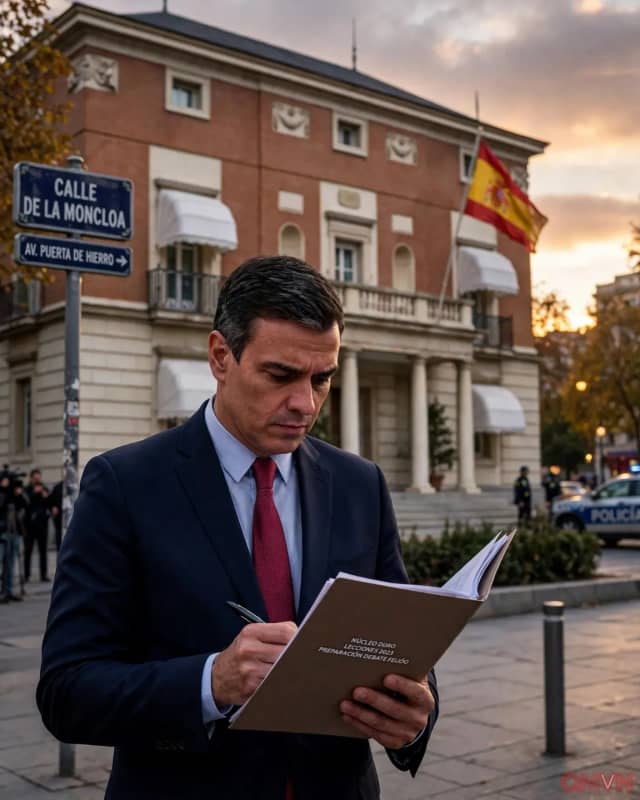
Before welcoming his guest, Pablo Motos said that the programme had invited the two leading contenders for government and that Pedro Sánchez had declined. He criticised the prime minister’s absence and rehearsed questions he said he wanted to ask about governance and controversial public affairs.