When care becomes constant checking
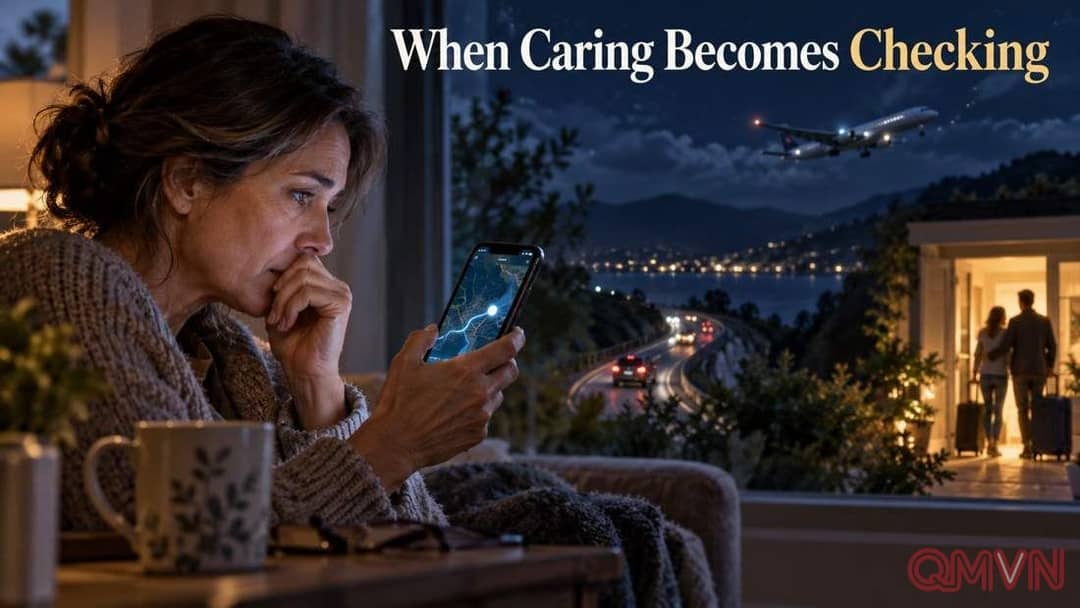
In his commentary, Chiles portrays a father following the journeys of his adult daughters when they drive or fly. The first impulse is easy to understand: he wants to know where the people he loves are and whether they have reached their destination. He stresses that he does not monitor ordinary nights out. Even so, travel is enough to pull his attention repeatedly toward a screen, where a tiny marker seems to carry every fear felt by the person waiting at home.
The problem is not affection, and it is not necessarily the location feature itself. What matters is the quiet shift from “I can check if necessary” to “I must check in order to feel calm.” When a loved one’s safety is reduced to motion on a map, a pause caused by weak reception, low battery, traffic or a rest stop can look ominous. The tool then does more than transmit data. It supplies raw material for catastrophic imagination while offering no real ability to intervene.
Ignorance was bliss. Information can be the opposite.