MAIN STORY
When sea routes become economic fault lines
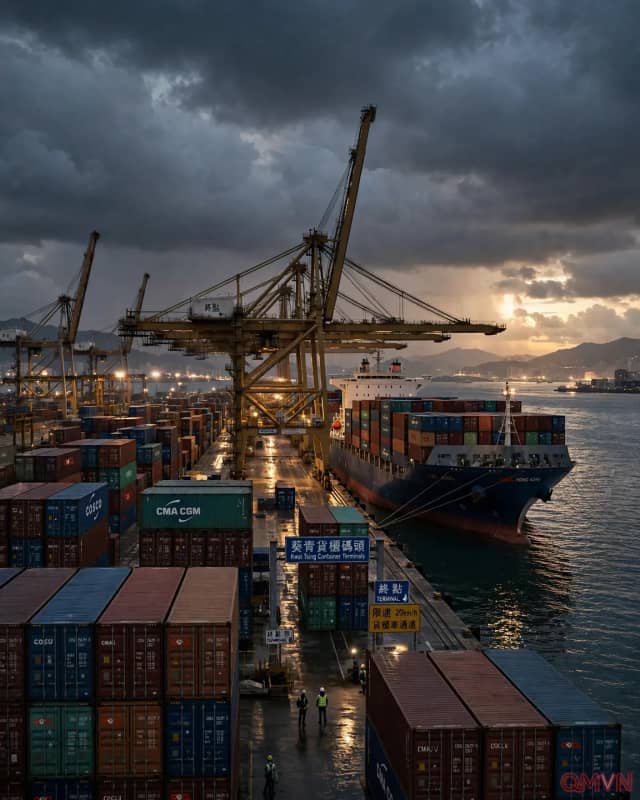
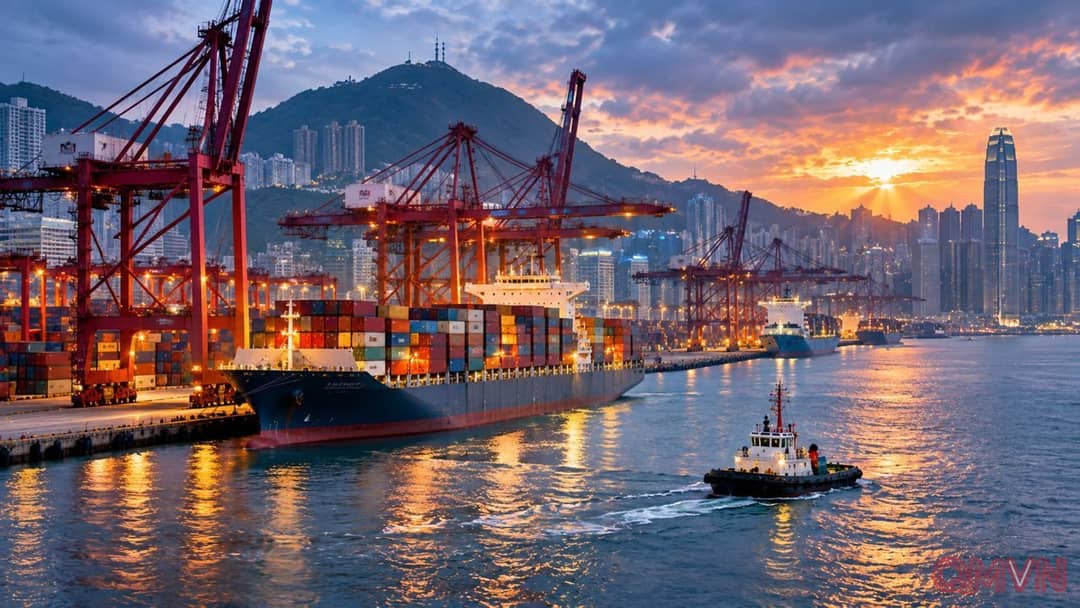
A shipping voyage may be planned weeks ahead, but its economics can change overnight. Conflict around strategic waterways affects insurance premiums, fuel prices and transit times. Ship managers, freight forwarders, banks and insurers based in Hong Kong can all feel those shocks even when the cargo itself is owned elsewhere. Uncertainty has become part of the price of international connectivity.
In an interview published by the South China Morning Post on November 16, Hing Chao, co-founder and executive chairman of the Hong Kong Chamber of Shipping, identified geopolitical confrontation as a major vulnerability for the city. Industry figures viewed US President Donald Trump’s indication that further attacks on Iran might be held back as welcome amid a fuel crisis. But a favorable political signal is not a guarantee of stable shipping lanes.
Dependence on international trade creates both opportunity and exposure. Tariffs, sanctions, export restrictions and route changes can move cargo away from an established port. Resilience therefore has to mean more than adding berths: it requires a diverse customer base, dependable service and enough flexibility to respond when commercial conditions shift.