MAIN CONTENT
Conflicting signals and a categorical refusal
On September 14, Donald Trump said he was open to considering talks and claimed Iran wanted an agreement “quickly and badly.” Mohsen Rezaei, secretary of Iran’s Supreme National Security Council, answered on X with a hard message, saying people should not be distracted by mixed signals from Washington.
Rezaei said the stakes around oil and the straits had changed and that “damage control” would not stop what was coming. His language did not offer a negotiating timetable; it emphasized the gulf over preconditions. It also showed diplomacy unfolding in an atmosphere of mistrust, where public remarks signal both to an adversary and to domestic audiences.
No talks until Iran’s conditions are met. Period.
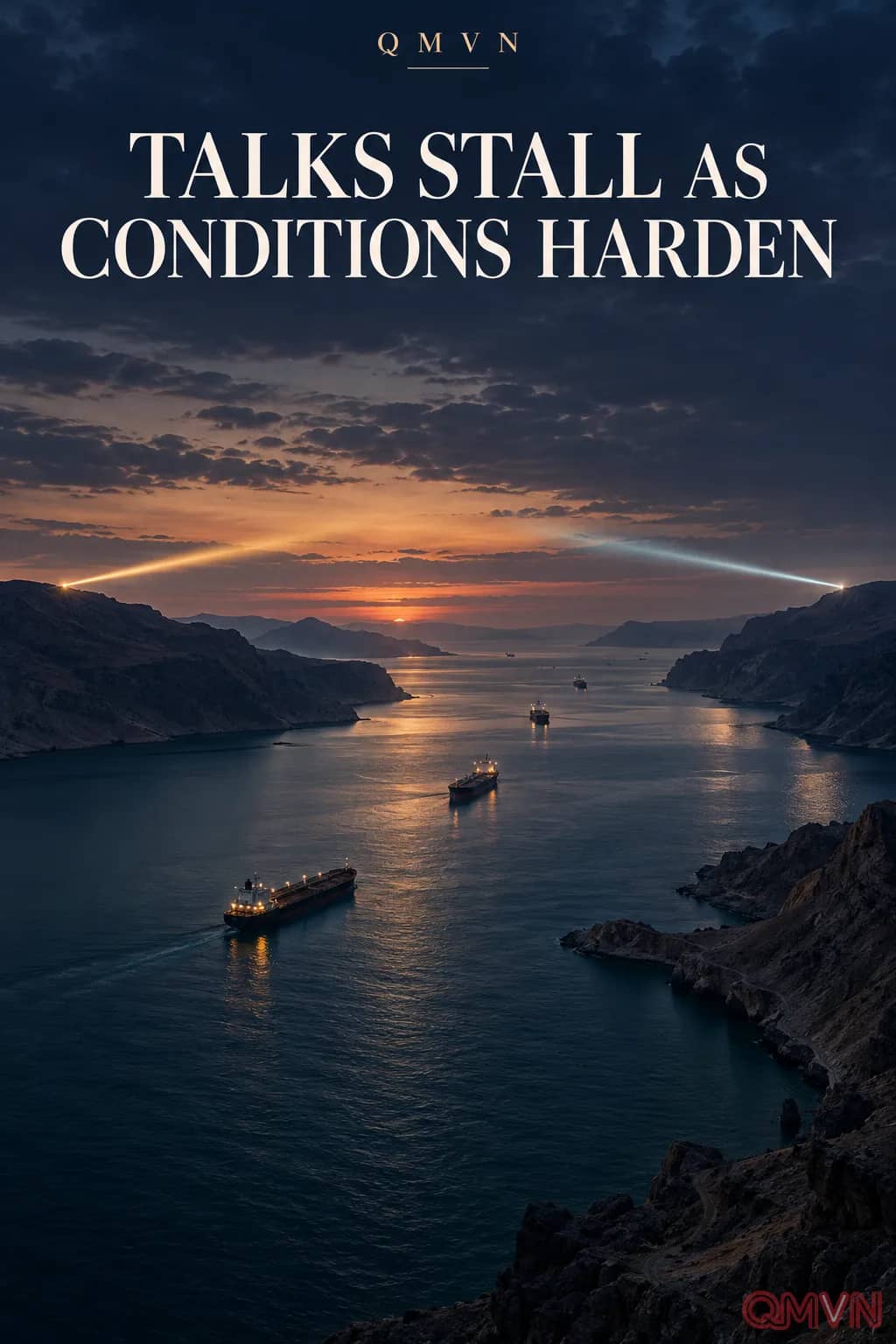
Tehran’s conditions and the Hormuz bottleneck
Iran has repeatedly named war reparations and the lifting of sanctions among its conditions for ending the war and restrictions in the Strait of Hormuz. For Tehran, the demands link the losses of war to a verifiable framework for de-escalation.