ARTICLE
A failed summit puts the negotiating system under scrutiny
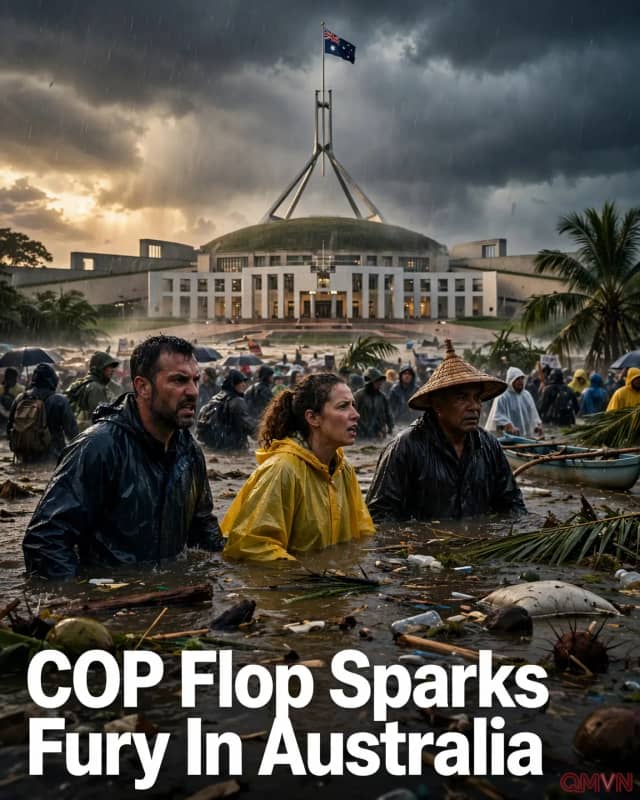
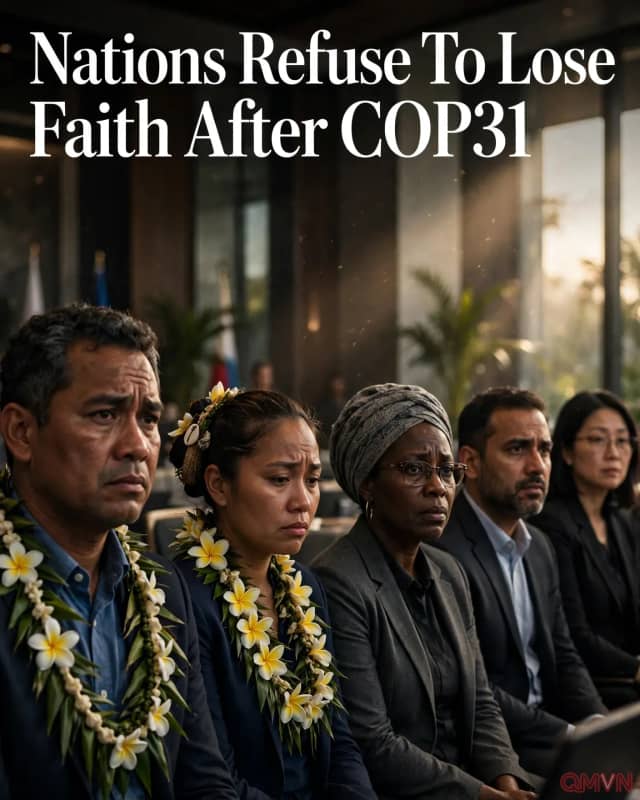
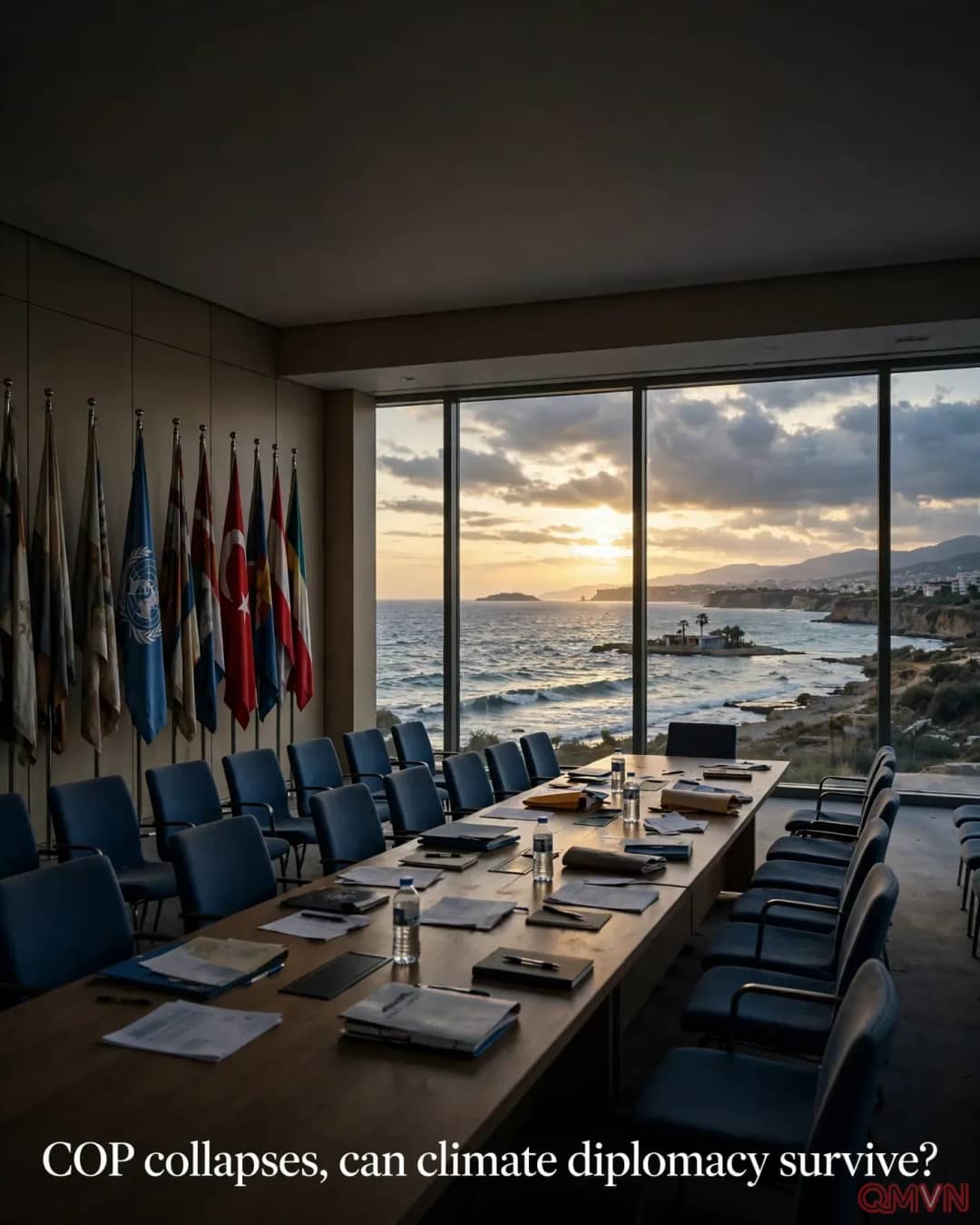
Negotiators left Antalya without a political accord after disputes that exposed divisions between governments over the pace and terms of climate action. Andres Martin Garrido Sanchez of Peru’s foreign ministry warned that the credibility of the process was at stake and called for in-depth reform.
UN climate chief Simon Stiell said the consensus system could still work. He reported seeking advice from external experts on possible changes, while Fiji’s chief negotiator Sivendra Michael defended the importance of a forum that keeps countries engaged with their legally binding commitments.
“I have taken steps in engaging external knowledge leaders in advising on areas of potential reform.” — Simon Stiell
Major-power gaps meet a changing clean-energy economy
Delegates contrasted the outcome in Antalya with the landmark Kyoto Protocol of 1997 and the Paris Agreement of 2015. Some cited the absence of the United States from the climate process and a lack of major-power leadership as obstacles to securing compromise. China participated but kept a relatively low profile.