MAIN CONTENT
Fires in villages, anger in politics
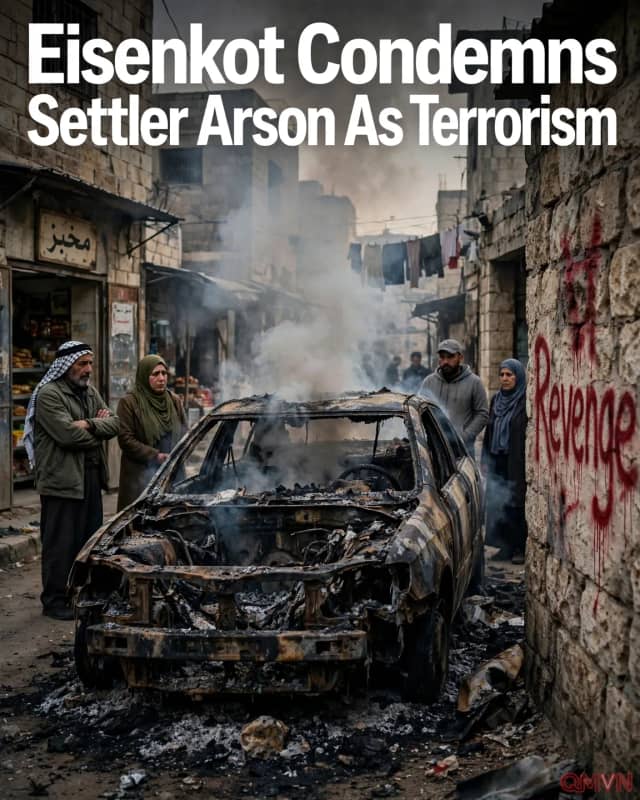
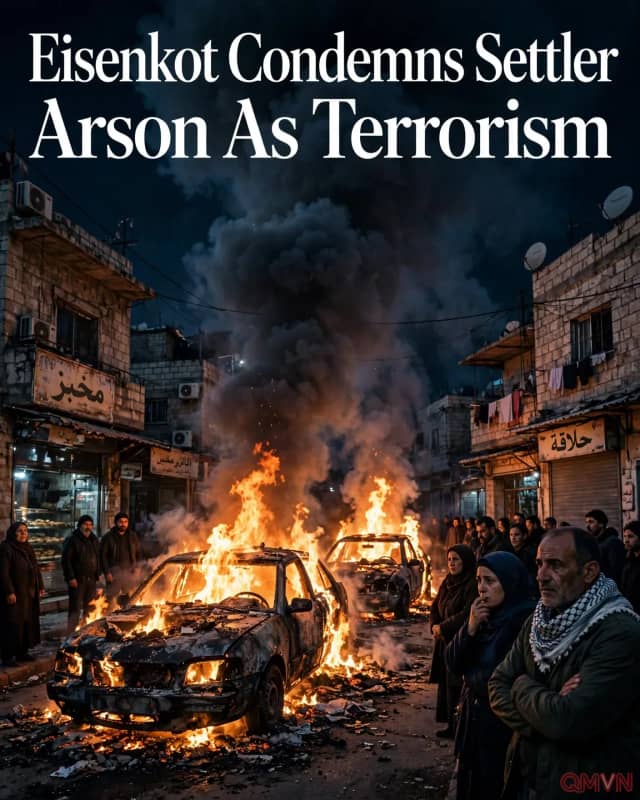
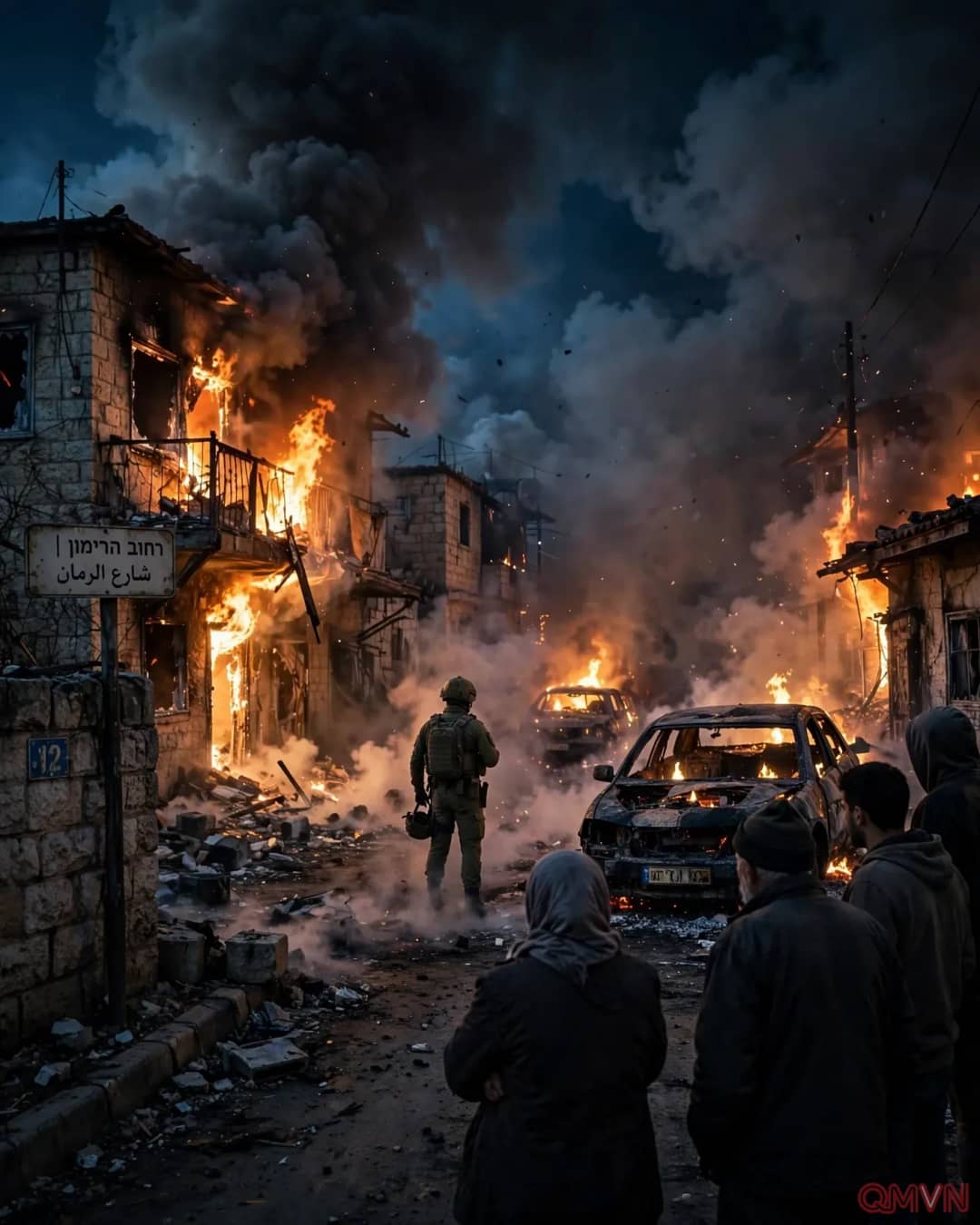
Residents of several Palestinian communities near Ramallah reported burned cars, damaged property and hostile graffiti after overnight incidents on November 21–22. Reuters, the Associated Press and Israeli outlets described attacks attributed to extremist settlers. Investigators still need to establish individual responsibility. The alleged perpetrators should not be conflated with all Israeli residents of settlements.
In a statement reported by The Times of Israel on November 23, Bennett said such violence contradicted Judaism’s moral values, harmed the state and threatened the future of the settlement movement itself. That reasoning is politically notable: Bennett has traditionally defended settlements, yet insists that violent offenders damage the interests of lawful residents.
A day earlier, Gadi Eisenkot, who is attempting to form a government after October’s election, separately condemned the arson as terrorism and urged a security crackdown. Although their statements were distinct, the two politicians raised the same underlying question: why can a small violent group impose costs on entire communities?
The dispute over preventive detention
Bennett singled out the termination of administrative detention for Jewish suspects in the West Bank. Defense Minister Israel Katz ended its use against them after taking office in November 2024.
The measure allows detention without an ordinary criminal trial and has long been used overwhelmingly against Palestinians, provoking profound concerns about due process and human rights.
Supporters of preventive detention say security agencies sometimes need to disrupt attacks before they occur, especially when sensitive intelligence cannot be presented openly. Critics warn that detention without trial creates grave risks of arbitrary punishment. A credible approach must protect the public while subjecting any exceptional restrictions to meaningful legal oversight.
Bennett accused the government of abandoning enforcement tools for political advantage. That is his interpretation of officials’ motives, not proof that any court has found the government intentionally complicit in the particular fires. Distinguishing accusation from verified responsibility is essential to an accurate account.
The costs borne by civilians and soldiers
The former prime minister said Israeli military commanders were being forced to spend time tracking down violent Jewish rioters instead of fulfilling other security missions. His criticism points to a practical burden: failures of civilian enforcement can divert soldiers into restoring order after damage has already been done.
For Palestinian families, a burned vehicle may mean losing transportation to work, school or medical care. The UN Office for the Coordination of Humanitarian Affairs reported persistent high levels of settler violence during November, including incidents involving injuries, damage to property and pressure on communities to leave their homes.
Law-abiding Israelis also have an interest in preventing the attacks. Bennett stressed that hundreds of thousands of residents should not be judged by the actions of a violent minority. Assigning responsibility to perpetrators rather than to an entire population is essential for fair enforcement and public trust.
How can promises to end anarchy be tested?
Bennett’s pledge will be meaningful only if followed by credible investigations, evidence-based arrests, transparent prosecution and protection for threatened civilians. Durable progress also requires clear responsibility between police and the military, public scrutiny of enforcement outcomes and continuity despite changes of government.
Israel has yet to form a new government following October’s election. The West Bank argument therefore doubles as a test of those seeking political authority. For families affected by the violence, however, the decisive measure is neither the force of a statement nor the reputation of its author: it is whether the attacks stop.