MAIN CONTENT
Strikes sharpen a physical-security concern
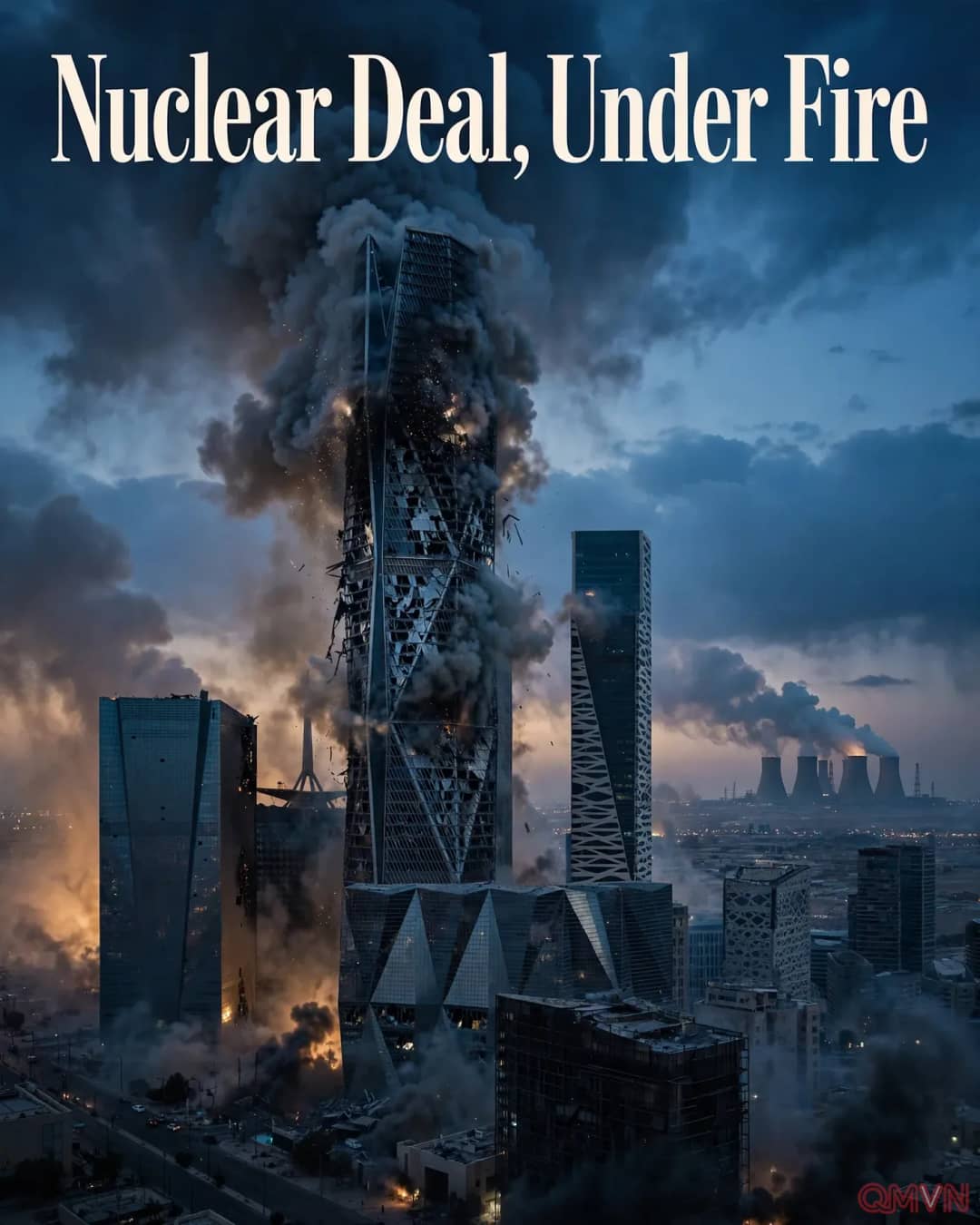
Yemen’s Iran-aligned Houthi movement has stepped up drone and missile attacks on Saudi targets, including infrastructure and office buildings. Reporting about damage to the Public Investment Fund tower in Riyadh on November 19 has reinforced concerns about the exposure of critical facilities.
The existence of these strikes does not establish that a future nuclear installation would be breached. It does, however, put emergency planning, site protection and resilience on the agenda alongside safeguards against misuse of nuclear material.
What the proposed agreement would permit
The proposed cooperation framework, often called a Section 123 agreement under US nuclear law, would allow significant civil nuclear collaboration. Reuters reports that it does not prohibit Saudi uranium enrichment or reprocessing, two activities that can have sensitive proliferation implications.
It also does not contain the International Atomic Energy Agency’s Additional Protocol, which expands verification access. Agency director general Rafael Grossi nonetheless described the agreement’s inspection arrangements as very satisfactory on November 18; his assessment differs from critics’ calls for tougher conditions.
Congress examines oversight and diplomatic conditions
The Trump administration submitted the deal to Congress in August after announcing it in July. Republican and Democratic aides told Reuters a Senate resolution disapproving of the agreement could be considered during the week of November 30; passage and any subsequent presidential veto remain uncertain.
Lawmakers have also raised questions about the absence of a documented requirement for Saudi Arabia to normalize relations with Israel. The administration has said the pact is intended only for peaceful power generation and would serve energy demand and US industry.
Competing assessments of risk and benefits
Nonproliferation advocates want stronger commitments covering nuclear-material controls and protection against attacks or seizure. Some point to the United Arab Emirates’ 2009 agreement with Washington, which included a pledge to forgo enrichment and reprocessing, as a contrasting model.
Supporters emphasize energy diversification, bilateral cooperation and the prospect of international monitoring. The coming congressional debate will test how security assurances, commercial ambitions and regional diplomacy are balanced in the proposed arrangement.