Sweeping Border Closures And Mandatory Deportation Protocols
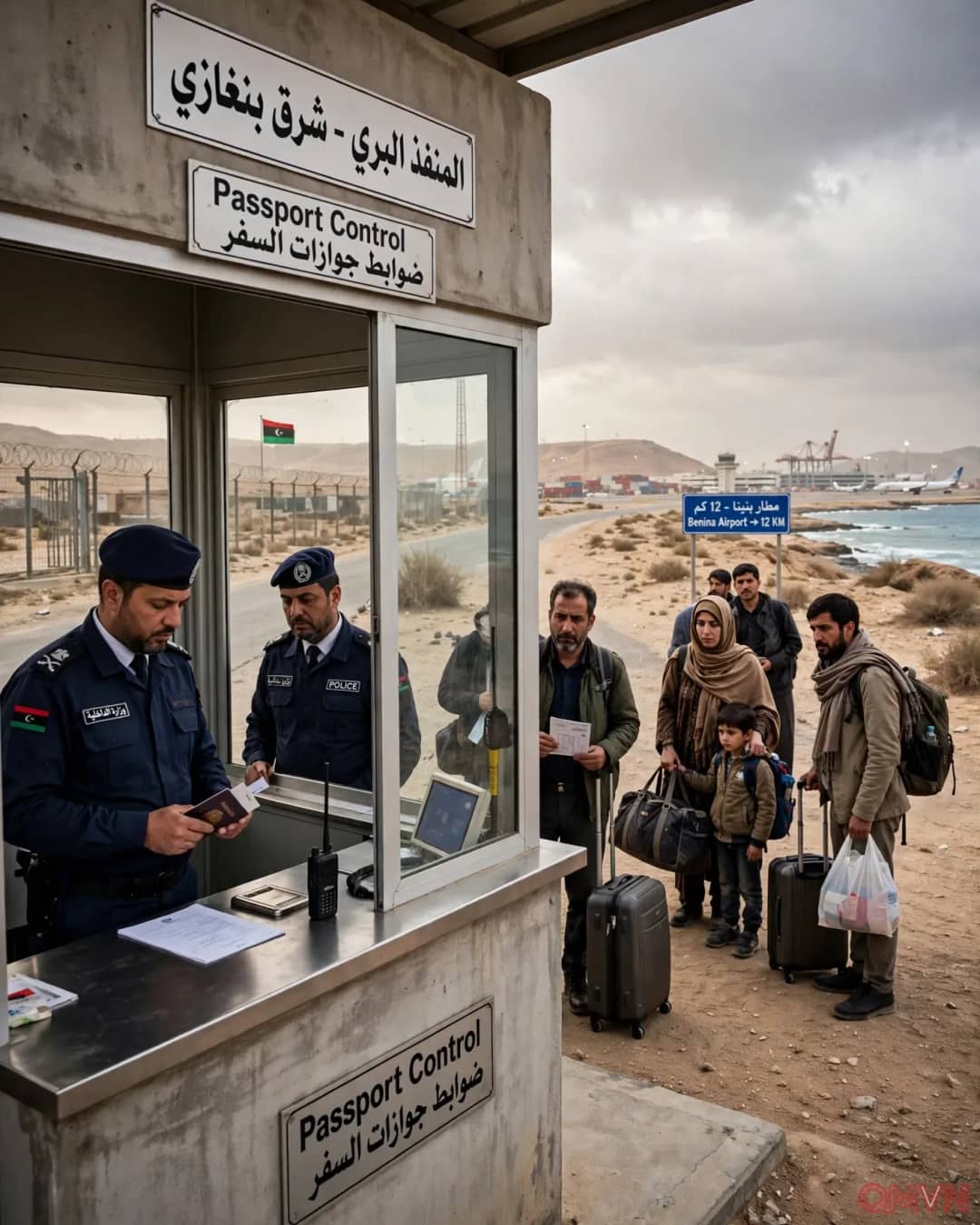
The administrative directive enacted by the eastern cabinet led by Prime Minister Osama Hamad introduces immediate travel disruptions across eastern-controlled ports of entry. According to official government notifications, the regional Ministry of Interior has been entrusted with absolute enforcement authority to intercept incoming passenger traffic and systematically deport individuals originating from Iran and Afghanistan who lack valid residency credentials.
“The nationals of both Iran and Afghanistan are prohibited from entering Libyan territory through all land, air, and sea ports of entry.” — Eastern Government of Libya
Although authorities in Benghazi declined to issue an explicit justification for the decree, intelligence analysts assess the move as a protective containment measure against espionage risks, foreign proxy penetration, and irregular migration flows. Strict exemptions remain limited exclusively to accredited diplomatic personnel, their immediate dependents, and certified healthcare or educational professionals possessing authenticated work visas.
Institutional Fracture And The Trans-Mediterranean Migration Vortex
Following the 2011 NATO-backed overthrow of long-standing leader Muammar Gaddafi, Libya transitioned into severe systemic fragmentation, establishing two competing governments by 2014. The internationally recognized Government of National Unity (GNU) under Prime Minister Abdulhamid Dbeibah exercises authority from Tripoli in the west, while the eastern administration works in tight coordination with General Khalifa Haftar's Libyan National Army (LNA), controlling the east and major southern energy corridors.