MAIN CONTENT
From the 2003 invasion to a second American withdrawal
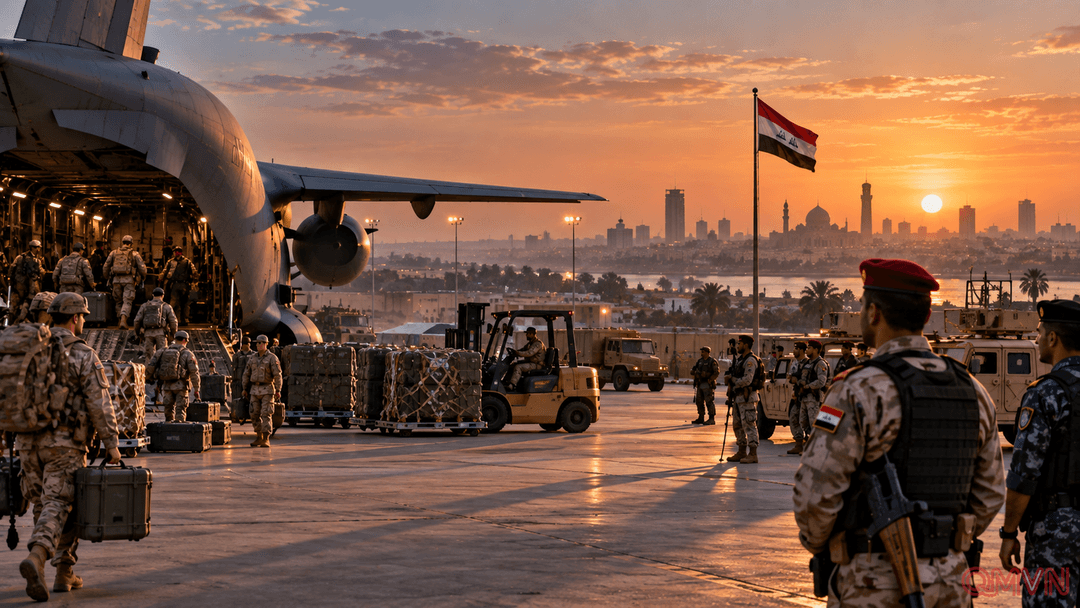
The U.S. military presence in Iraq began with the 2003 invasion that removed Saddam Hussein. Washington argued at the time that Iraq possessed weapons of mass destruction and posed a serious threat, but such stockpiles were not found. The war was followed by insurgency, sectarian violence and years of instability, with heavy losses among Iraqis and American service members.
U.S. combat forces withdrew in 2011, but Baghdad invited them back three years later after ISIS seized roughly a third of Iraq. With international coalition support, Iraqi and Kurdish forces retook major cities, and Iraq declared territorial victory over ISIS in 2017.
The American role then shifted increasingly toward training, advising, intelligence, surveillance and air support. A 2024 U.S.-Iraq agreement established a phased end to the coalition mission, leading to the withdrawal from most of federal Iraq before the remaining presence in the Kurdistan Region ended in September 2026.