"Defensive" strikes in Hormuz
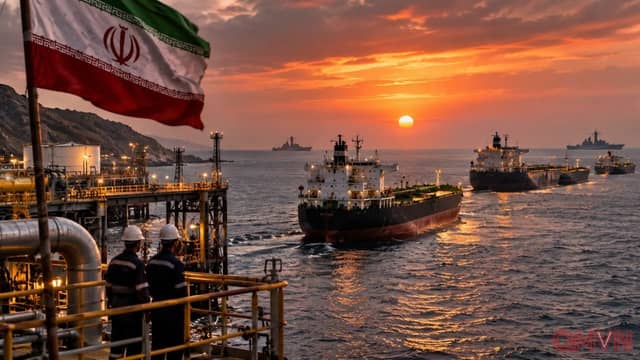
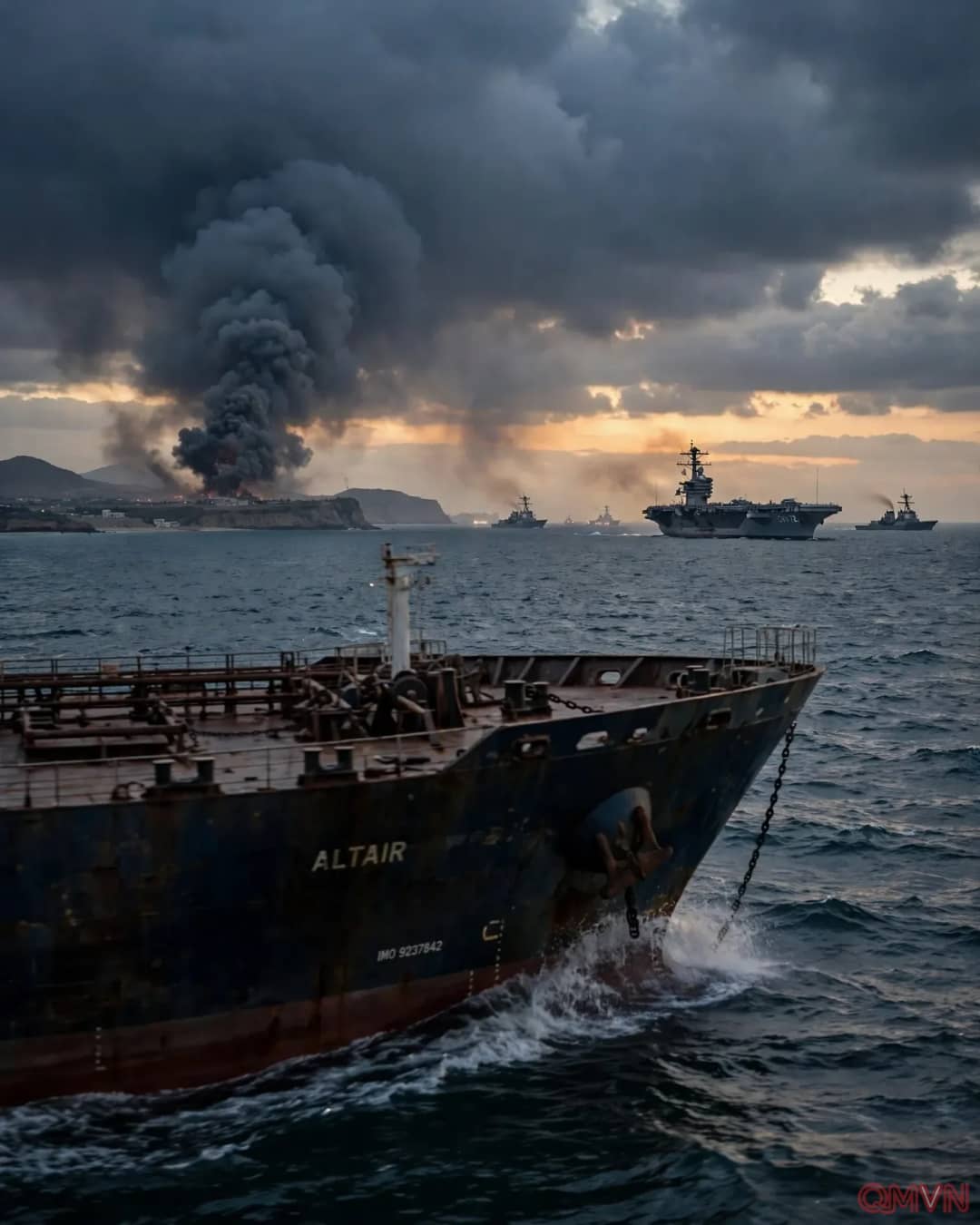
According to the US official, who spoke on condition of anonymity, the strikes targeted Iranian forces using surface-to-air missiles against US assets. The Trump administration's last known attacks were in early September, but thousands of US troops remain off Iran to maintain a naval blockade preventing tankers carrying Iranian oil from reaching global markets. A third aircraft carrier and thousands more troops are on their way to the Middle East. The unpopular war, and the rising gasoline prices that came with it, has been a vulnerability for Republicans trying to keep control of Congress.
Diplomacy runs in parallel
Before the strikes were confirmed, Vice President JD Vance offered measured optimism about a deal, saying there had been a number of good conversations with the Iranians. According to two regional officials, Qatari mediators held two rounds of talks with Iranian officials last week, trying to advance a framework under which Iran would stop its attacks in the Strait of Hormuz in exchange for the US lifting its blockade on Iran's ports. Iranian security chief Mohsen Rezaei said he had not yet replied to Vance's letter but noted a positive signal.
*"The tone has completely changed. It is a very good sign." — Mohsen Rezaei