MAIN ARTICLE
Two clocks, two calculations
In an interview published by Axios on November 19, Trump said he was not rushing into a decision about new strikes and would assess events after the beginning of the new year. That was not a promise to rule out force. Rather, it preserved the White House's room for manoeuvre while allowing the blockade more time to bite. Reuters had earlier reported, citing people familiar with discussions, that the president was considering holding back unless Iran engaged in fresh provocations. His shifting signals reflect a difficult choice: how to apply coercive pressure without becoming trapped in a wider war.
For Tehran, the same waiting period carries a very different cost. Every delayed oil shipment constrains access to foreign currency in an economy already wrestling with prices, exchange-rate pressures and strained public finances. Washington can therefore present patience as an advantage; Iran may experience it as attrition. That imbalance helps explain why an apparently commercial movement of tankers could become a strategic challenge. It also means that neither side can safely assume that the other views the passage of time in the same way.
Kharg Island and the convoy that has not been confirmed at sea
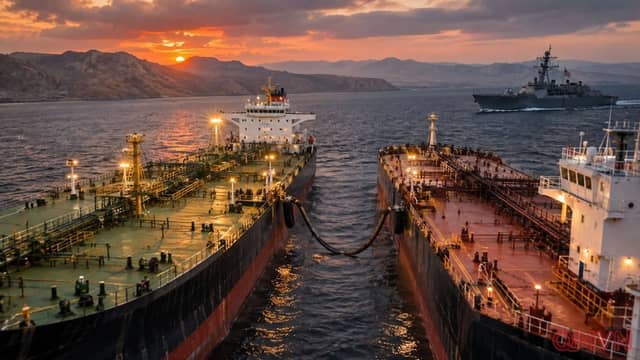
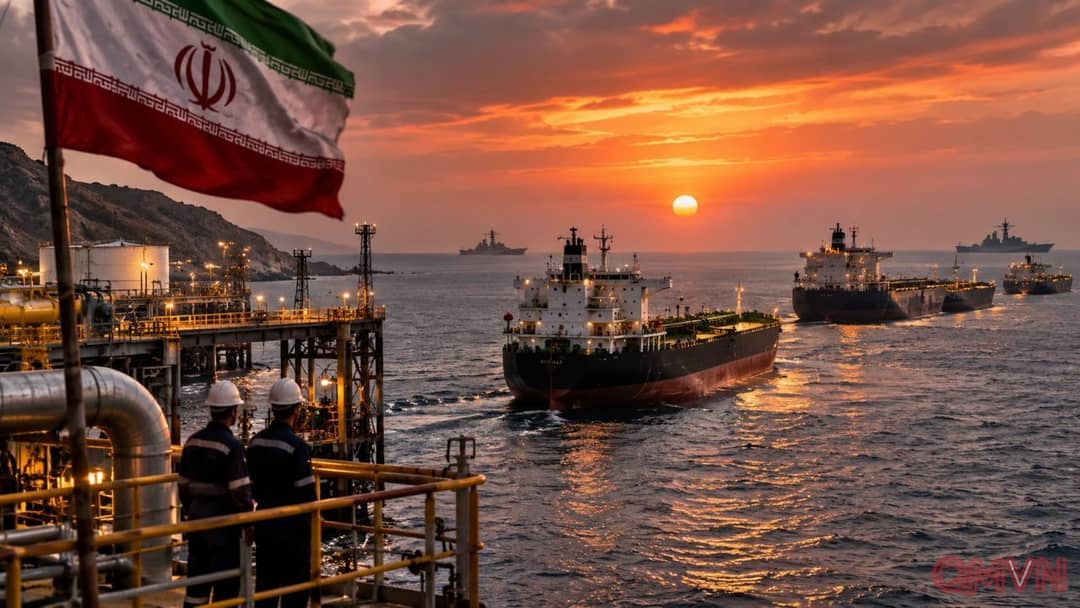
On November 20, Euronews and maritime-focused outlets reported that more than 14 tankers were positioned around Kharg Island, a major Iranian oil-export hub. Accounts referred to crews being assigned and Iranian flags being displayed. But vessels assembling near a terminal do not by themselves establish that the Iranian government has authorized a blockade-running operation or fixed a departure date. The Maritime Executive cautioned that reports of an imminent convoy remained claims under development, not evidence that a transit had succeeded.