From the height of power to a fateful war
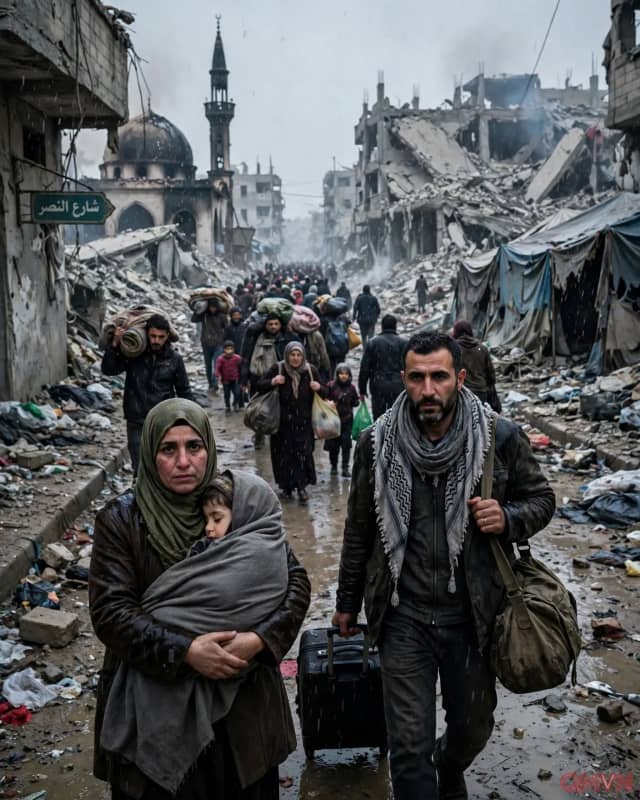
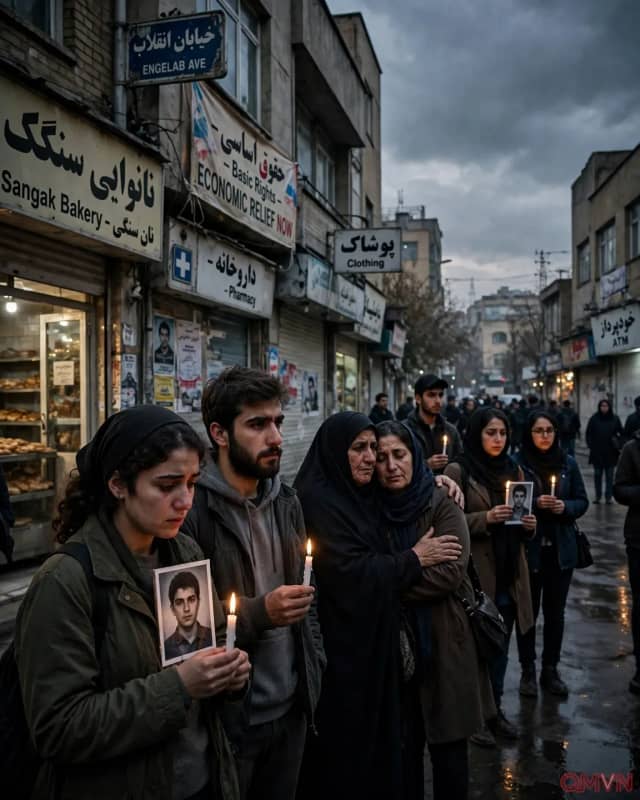
In mid-February, an economic adviser brought charts to the Oval Office showing household income up, retirement accounts soaring and growth above forecasts. Trump was pleased. But within days, the man who had campaigned on ending foreign wars wagered on one of his own. The conflict has since killed more than 20 US service members, cost about $47.1 billion according to Pentagon estimates, and pushed up the cost of everything from freight to fertiliser.
*“The greatest political blunder in the last two decades.” — Matt Walsh*
Conservative commentator Matt Walsh also called the war a betrayal of the America First movement and said the movement would have to find a new leader. According to people familiar with the matter, when advisers warned in the spring that the war could hurt Republicans, Trump said there was plenty of time to figure it out. A White House official said he was not indecisive but always solicited feedback.
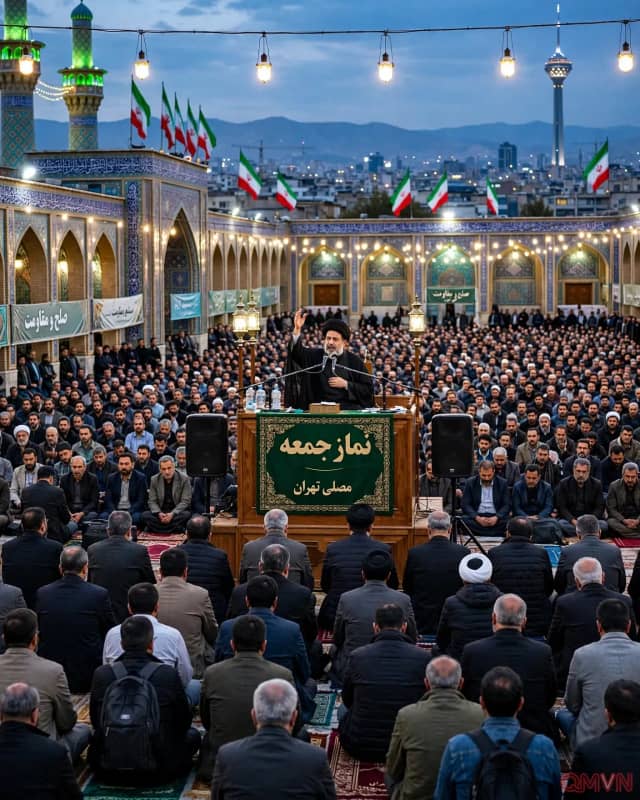
A “short” war with no end
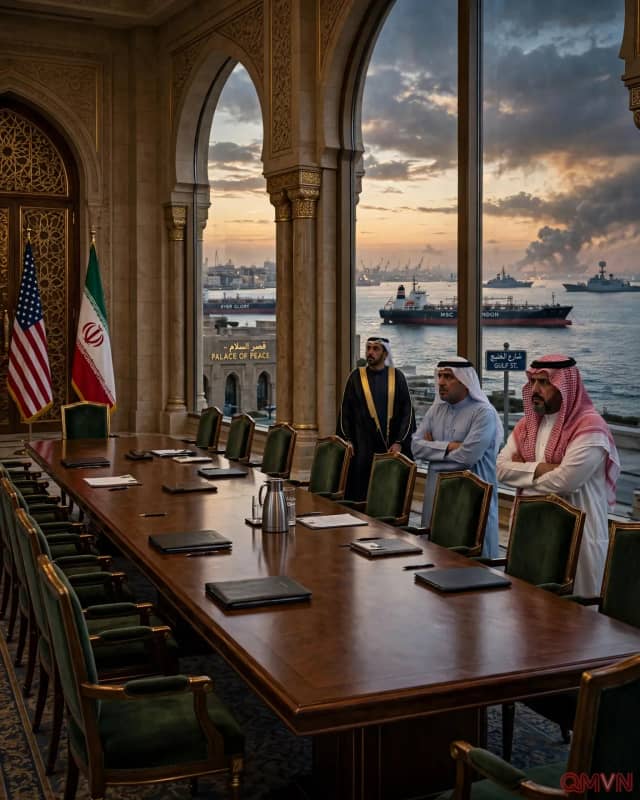
Emboldened by the swift January raid that captured Venezuelan strongman Nicolás Maduro, Trump believed the Iran war would end quickly. Cabinet officials told oil executives it would be over by April; by May, he wanted to win and move on. But every attempt at a deal collapsed, and the president’s message shifted so often that his press secretary asked him to stop taking reporters’ calls. An administration official said he did not change his message but reacted to events.