A shadow war in Hormuz
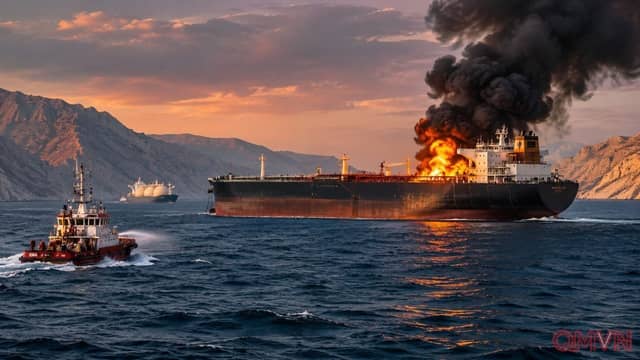
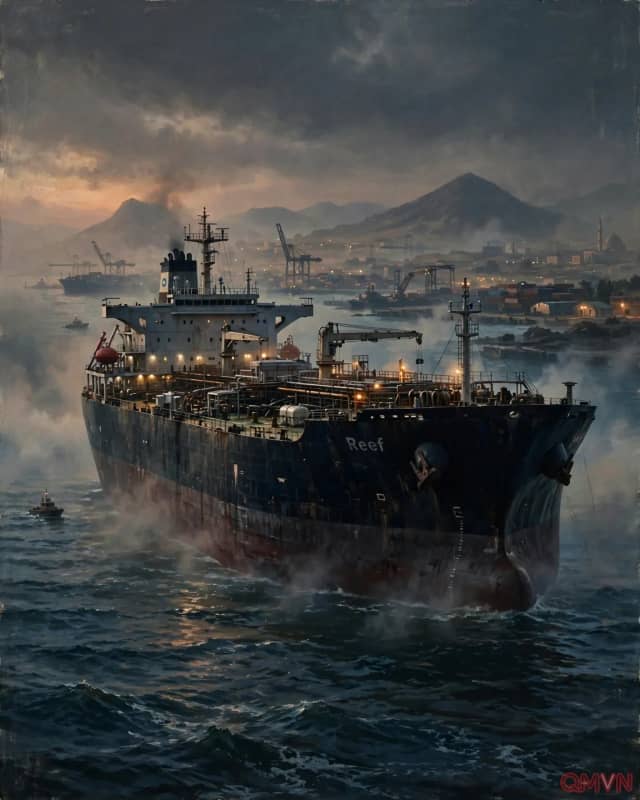
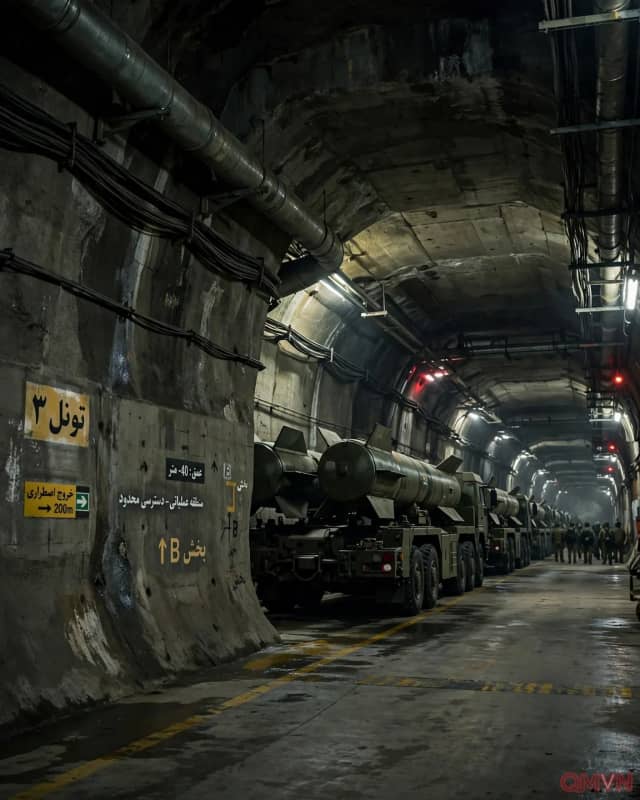
According to regional officials, security firms and analysts cited by The Wall Street Journal, Tehran has in recent weeks launched bomb-laden undersea drones, fired rocket-propelled grenades and deployed crews to attach limpet mines to ships, targeting vessels that shuttle oil out of the Gulf to waiting tankers.
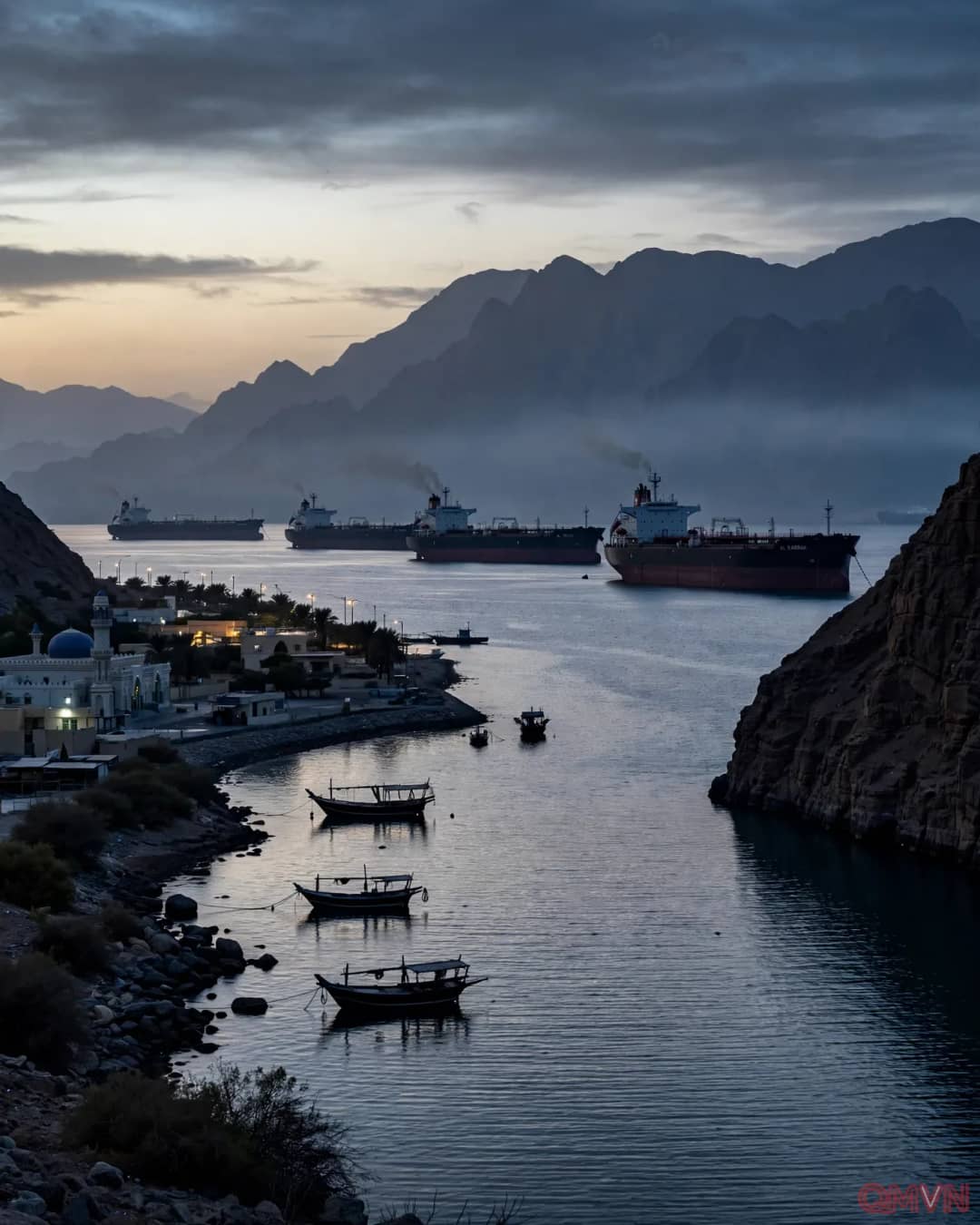
The US military runs near-daily operations to help ships leave the strait while maintaining its blockade on Iran, a costly effort that recently returned oil flows to prewar levels. Iran's fight to block that escape route has become a shadow war within the wider US-Iran conflict. On Monday, the United States struck Iran's Qeshm Island as part of a series of unannounced, small-scale strikes aimed at halting Iranian attacks on American assets and passing ships. A spokesman for Iran's foreign ministry did not respond to a request for comment. According to Gregory Brew, Eurasia Group's senior Iran and energy analyst, Tehran still has enough tools to apply pressure.
They can keep it violent, they can keep risks to shipping high, they can keep costs high, they can keep oil prices high.