MAIN CONTENT
A distress signal, then a rescue
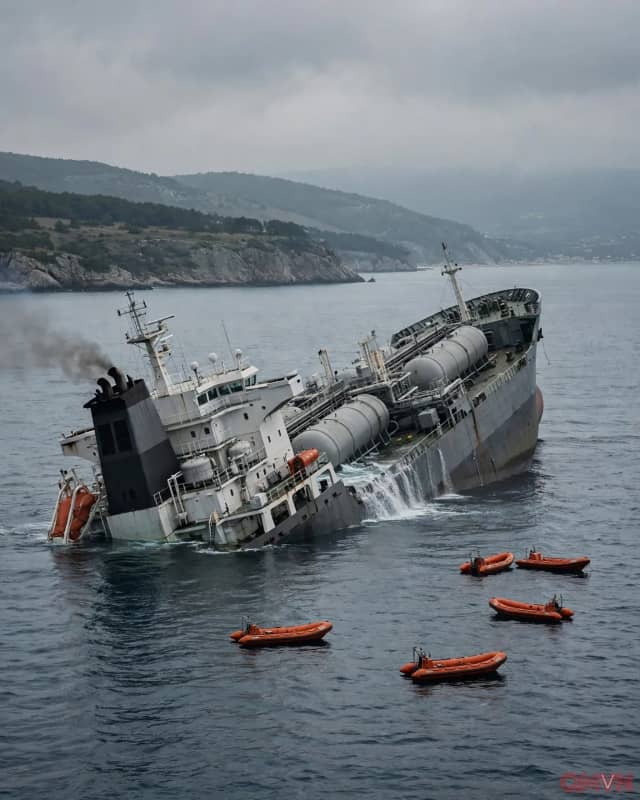
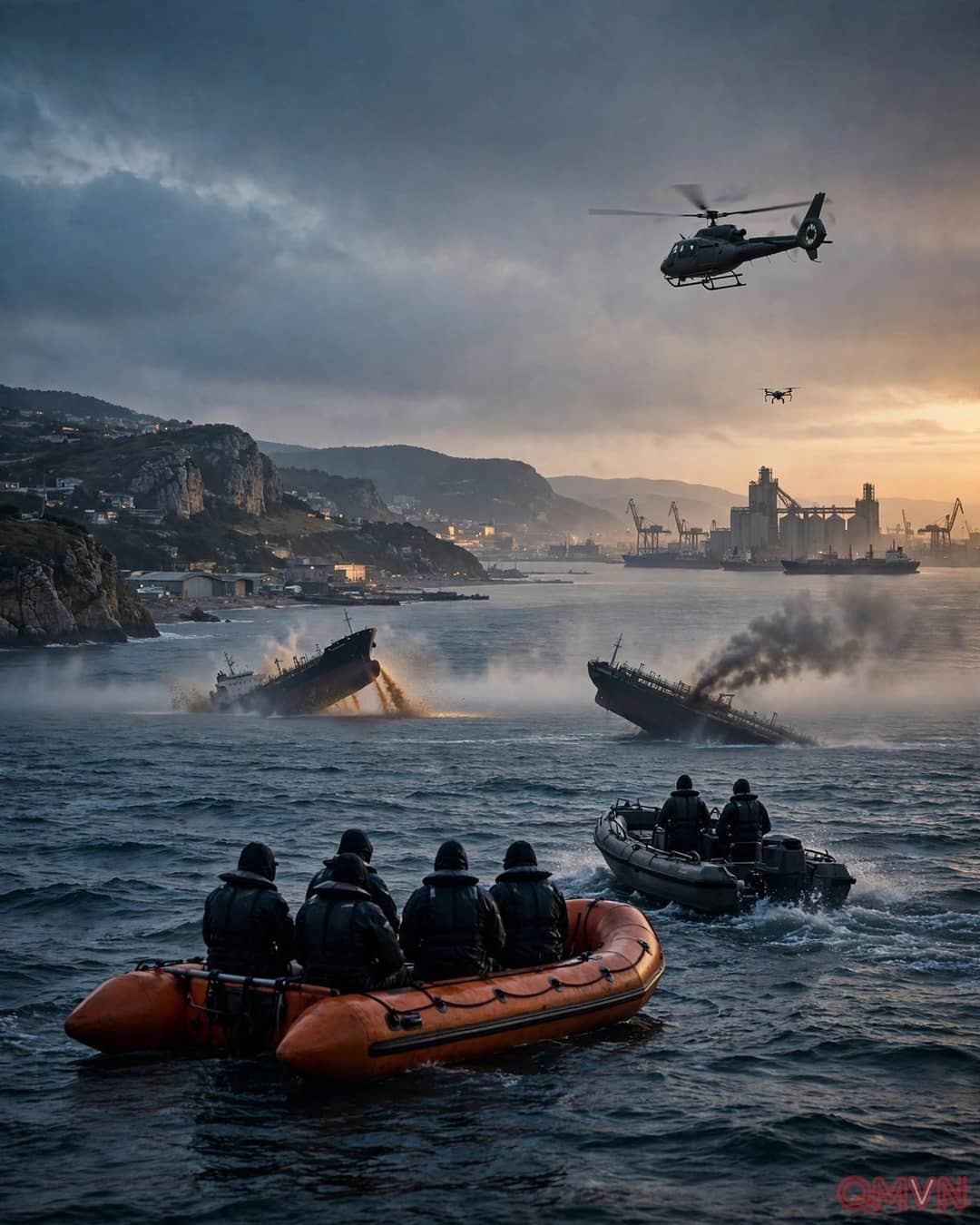
According to Bulgaria's defence ministry, Gas Husky disappeared from radar shortly after midnight. Its emergency beacon activated at 08:02 local time, prompting maritime and military rescue efforts. The ship had been sailing within Bulgaria's exclusive economic zone, a maritime area where the coastal state has specific resource-related rights but which is not the same as territorial waters. The initial account placed the sinking east of Byala, on the country's Black Sea coast.
Bulgaria's transport authorities subsequently reported that all 19 seafarers had been moved from a life raft to an aviation facility in the Varna area. Bulgarian public broadcaster Radio Bulgaria identified the crew as Filipino. Their rescue is the clearest confirmed outcome so far; the chronology of the ship's final hours and the conditions that forced abandonment still require examination. The Greek-based company managing the vessel had not immediately commented, Reuters reported.
An energy cargo raises different risks
The tanker was carrying approximately 3,400 metric tons of liquefied petroleum gas, a fuel mixture commonly used in heating, cooking and industry. Unlike an ordinary dry-cargo ship, an LPG carrier has specialised containment systems designed to transport pressurised or refrigerated flammable substances.