MAIN CONTENT
A summit shaped by another summit
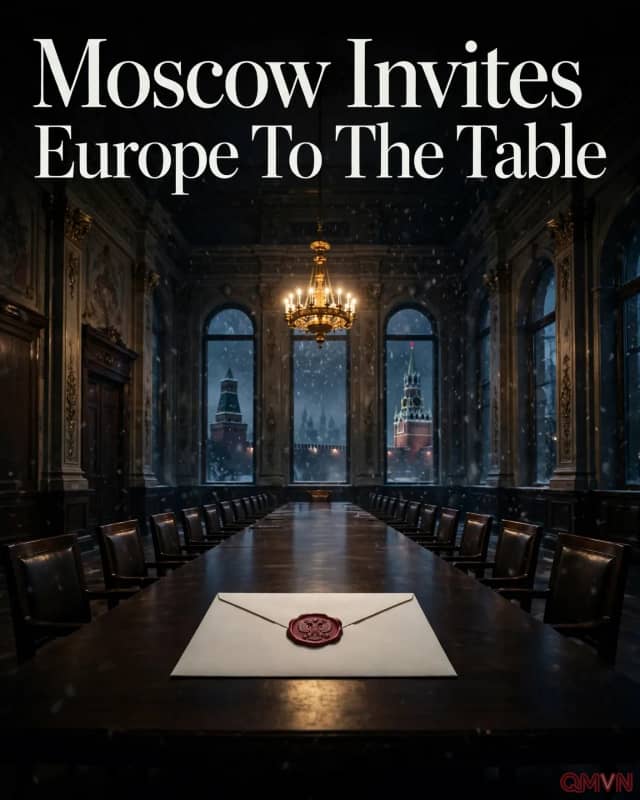
The choreography of Thursday’s meeting mattered almost as much as its agenda. European officials planned their gathering soon after the encounters in Shenzhen involving Trump, Xi and Putin. For governments that have invested billions in Ukraine’s defence and absorbed the economic and security consequences of Russia’s invasion, the prospect of a settlement negotiated elsewhere carries practical risks. Borders, sanctions, reconstruction and future deterrence cannot be treated as distant questions if European countries may later be asked to underwrite the outcome.
The attendance of Witkoff and Kushner made the meeting more than a declaration of European solidarity. Their presence offered a channel for comparing accounts of Washington’s latest conversations with Moscow and for testing where American and European proposals overlap. Ukrainian President Volodymyr Zelensky said Kyiv wished to work constructively for peace and hoped to learn more about the talks in China. The immediate objective was not to announce an agreement, but to ensure that the people whose security is at stake remain involved in shaping one.
Security guarantees: a promise that must work
German officials described a priority that is easy to state and difficult to deliver: robust, legally binding guarantees that would take effect after a ceasefire. Unlike a ceasefire declaration, a guarantee must specify who acts when a violation occurs, what capabilities are available and how quickly decisions are made. European governments are exploring possible monitoring, logistical and military support arrangements, while seeking clarity about the relationship between any multinational commitment and existing NATO obligations.