MAIN ARTICLE
Energy moves to the center of strategic ties
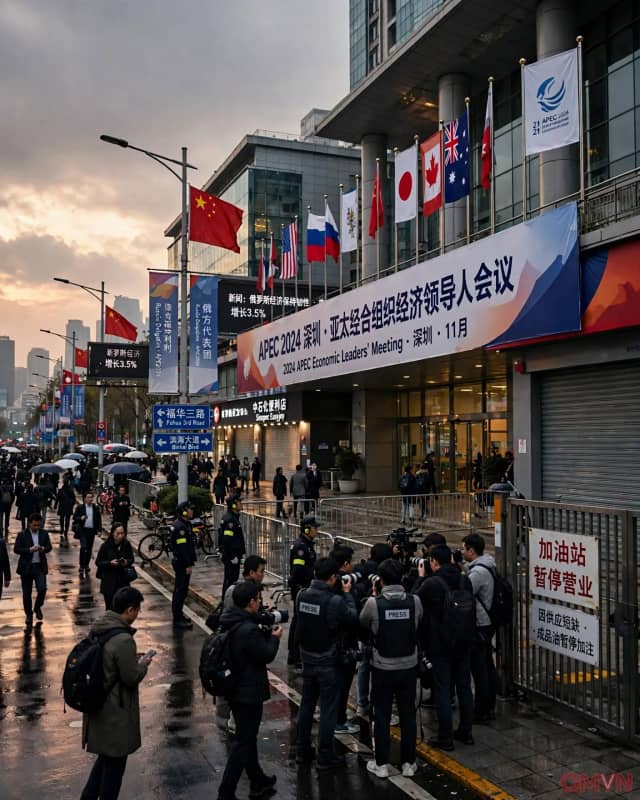
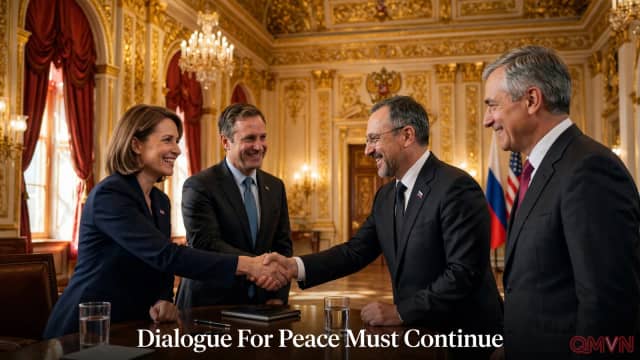
The November 18 meeting in Shenzhen offered an opportunity to consider bilateral priorities while Asia-Pacific leaders gathered for APEC. According to Vietnam’s government, both sides identified energy technology, investment and skills as areas where their respective strengths could complement one another.
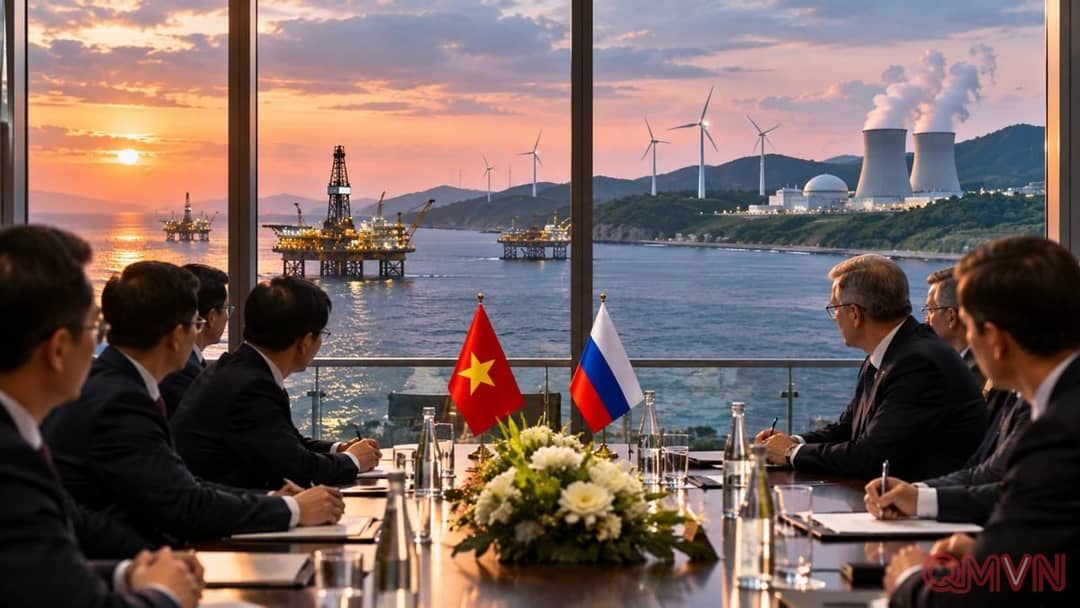
Putin expressed willingness to support Vietnam with technical experience, technology and personnel training. Alongside established petroleum cooperation, the leaders identified nuclear generation, wind power and gas-fired electricity as promising directions. These were statements of intent rather than announcements that every proposed undertaking had reached financial close.
The talks also addressed trade and investment, and Russian support for Vietnam’s preparations to host APEC in 2027. That broader agenda matters because infrastructure partnerships are rarely limited to machinery; they also require supply chains, regulation, technical education and lasting institutional relationships.
An oil and gas legacy meets a nuclear revival
Energy cooperation stretches back decades. The Vietsovpetro venture helped establish offshore petroleum activity and provided a framework through which engineers, researchers and operators could develop shared practices.