MAIN ARTICLE
Two summits and the right to decide
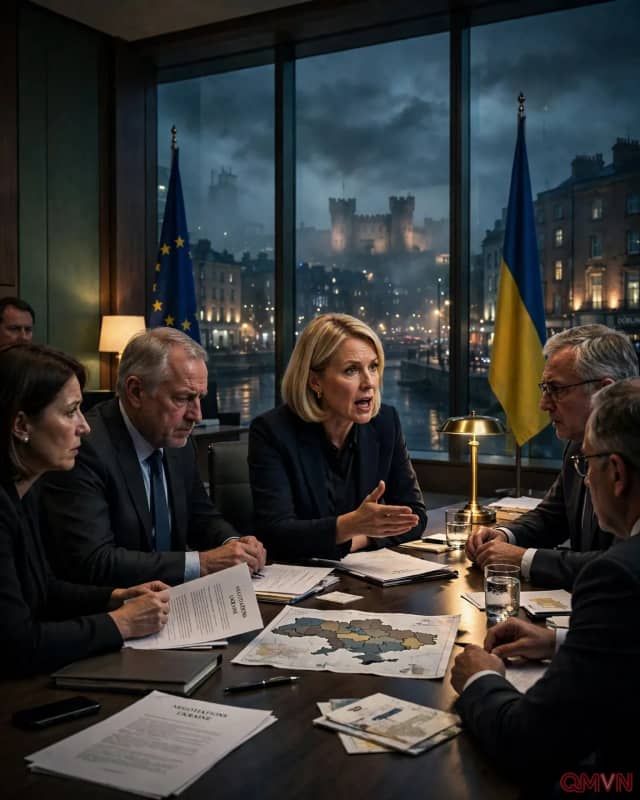
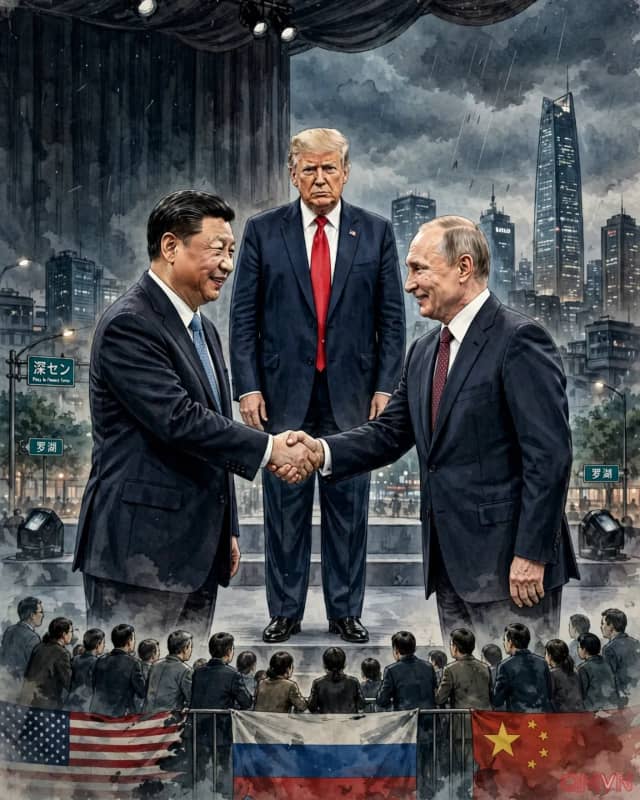
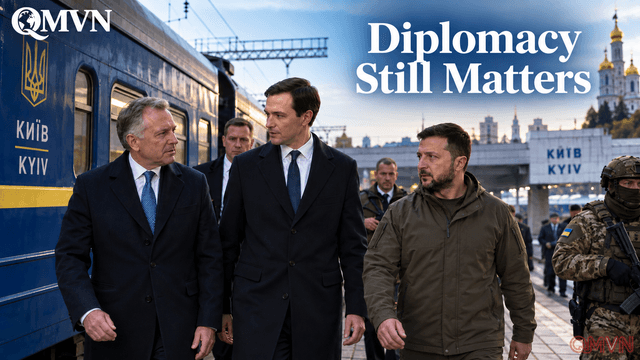
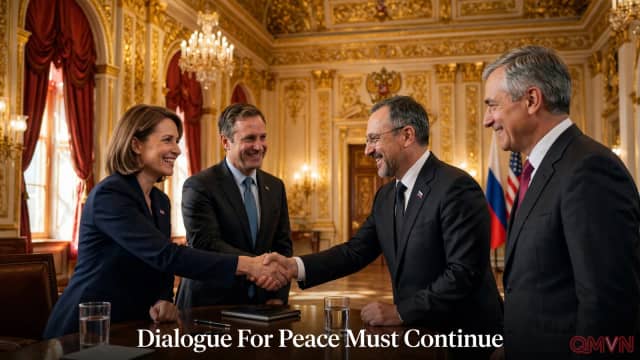
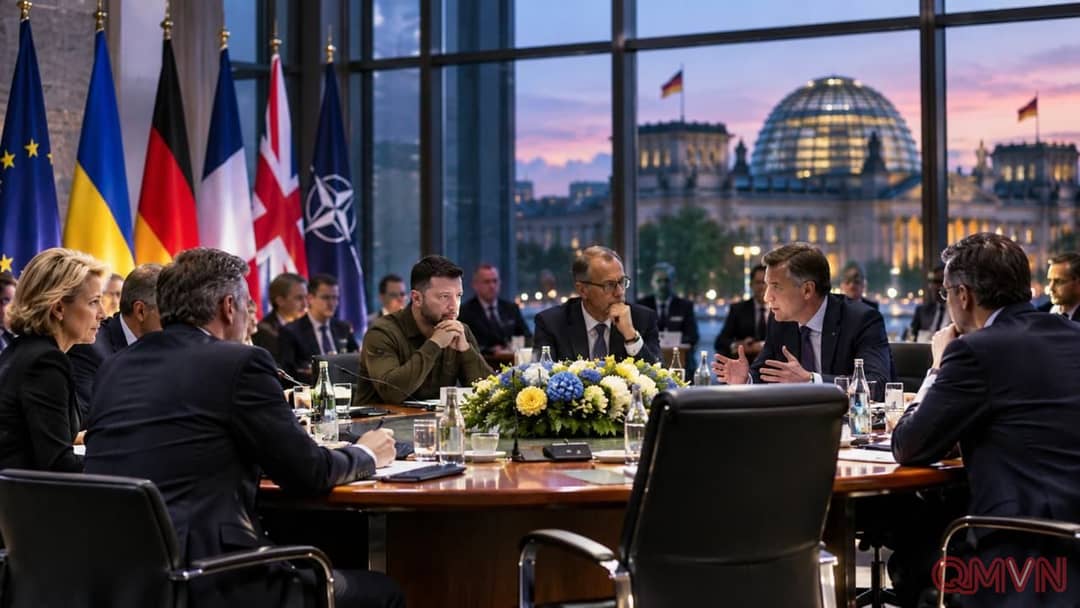
Shenzhen and Berlin became simultaneous centers of high-stakes diplomacy. In China, US President Donald Trump met Russian President Vladimir Putin and Chinese President Xi Jinping, prompting worries in European capitals that the contours of a settlement could be drawn without Ukraine. In Berlin, President Volodymyr Zelenskyy joined allied leaders and US representatives in an effort to keep the peace process genuinely multilateral.
Trump’s reference to Putin as a “friend” sharpened those fears. Polish Prime Minister Donald Tusk rejected the idea of friendship with the Russian leader; Denmark’s Mette Frederiksen warned that warm diplomatic imagery might embolden Moscow. NATO Secretary General Mark Rutte took a different view, arguing that meetings among nuclear powers were not inherently unusual and praising Washington’s attempts to end the war.
Merz argued against any arrangement in which others bargain over Ukraine’s destiny. As AFP and Reuters reported, he characterized the Shenzhen encounter largely as a photo opportunity while insisting that substantial progress had to involve Kyiv and Europe. The message did not deny the United States an essential role. Rather, it challenged the notion that a country’s security can be negotiated credibly without the country itself.