MAIN CONTENT
A measured cut before the taps run dry
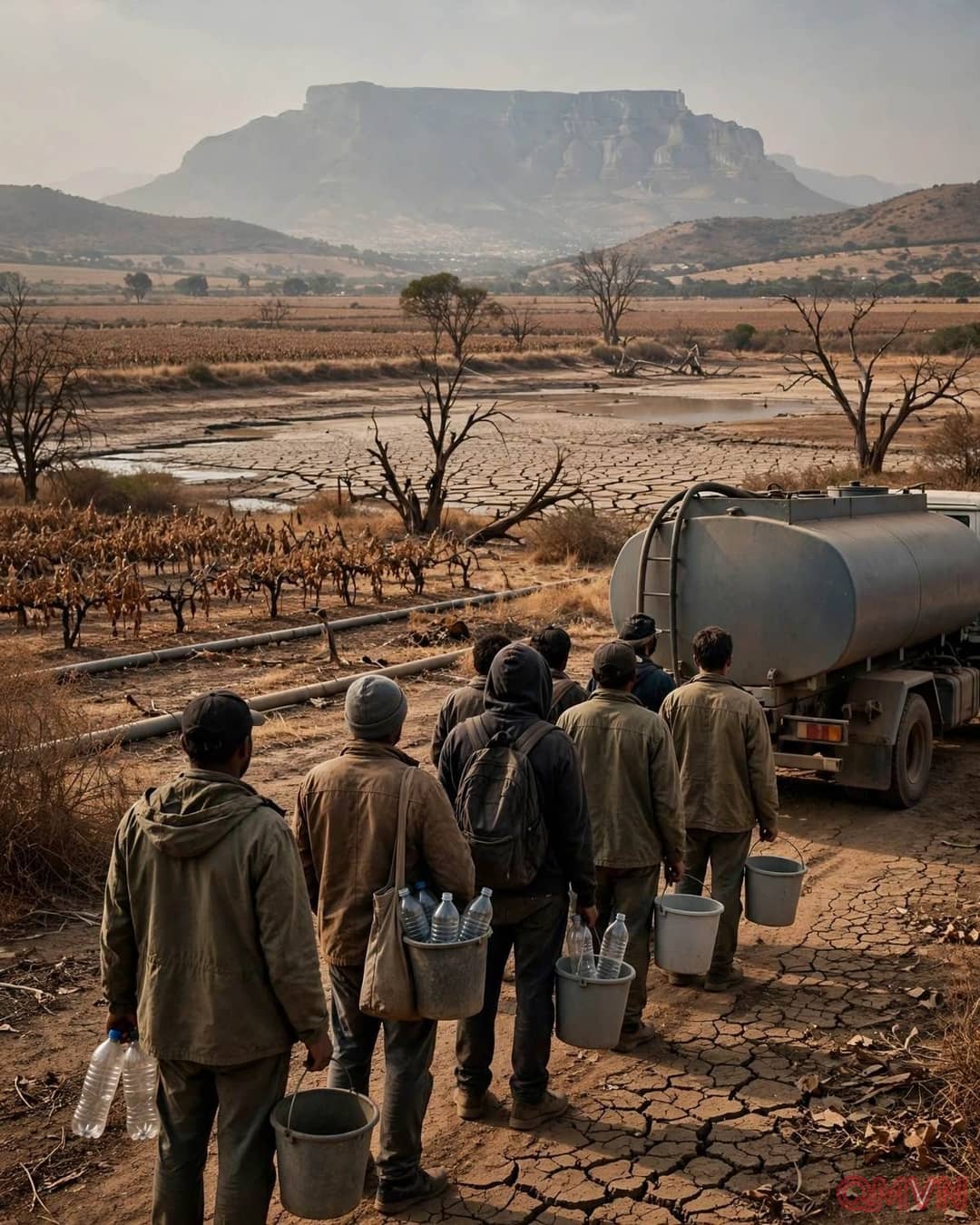
The decision draws a distinction between urban and agricultural users of the Western Cape Water Supply System. Domestic and industrial allocations face a 7% reduction, equal to roughly 27.2 million cubic metres per year; irrigation allocations fall by 15%, or approximately 29.6 million cubic metres. That is an estimated 11% reduction across the system, according to eNCA. These figures describe allocations at system level, not an immediate 7% cut in the flow from every household tap. Local rules, implementation dates and any customer-level limits are separate matters that authorities must communicate clearly.
Majodina described the intervention as a safeguard for strategic reserves and essential uses. Acting before reservoirs become dangerously depleted gives utilities more room to manage demand, but it also invites a difficult question: who should shoulder the largest share of restraint? A smaller percentage reduction for towns does not erase the vulnerability of low-income households, while deeper irrigation cuts may weigh on harvests, farm employment and businesses dependent on agricultural exports.
The numbers behind the warning
The warning is supported by a sequence of weak rainfall seasons. Reuters reported precipitation of 722.7 millimetres in 2024/25 and 752.8 millimetres in 2025/26, compared with a long-term average of 964 millimetres.