MAIN CONTENT
Three pressures converge on the rand
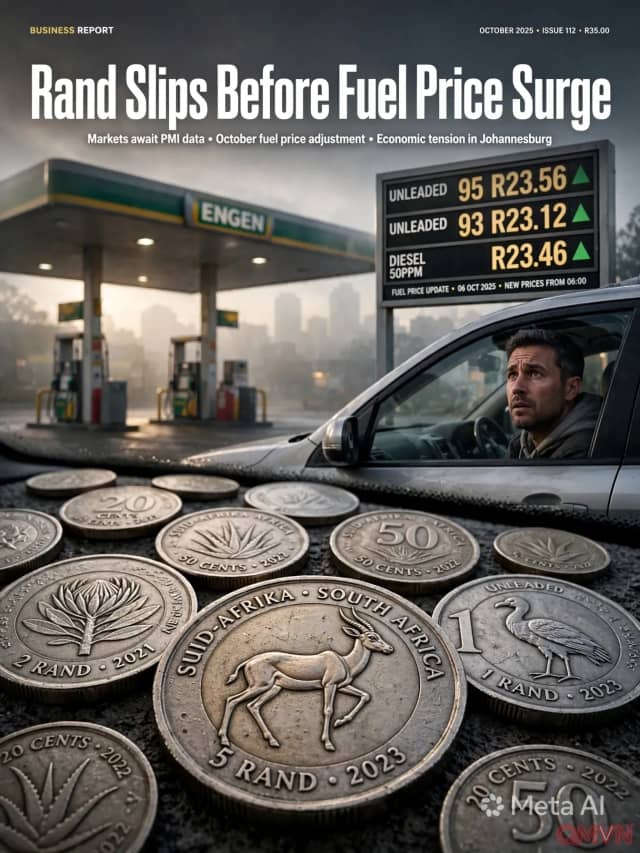
The exchange-rate reading carried more significance than the size of the morning move. At nearly 17.36 rand to the dollar, the currency was testing its weakest territory of the year. A higher number means more rand are needed to buy one dollar. A 0.3% decline does not by itself constitute a financial crisis, yet a new annual low can make investors reassess how much compensation they need for holding South African assets in an unsettled environment.
The first pressure comes from abroad. Reuters said the dollar was hovering near a 19-month high after minutes of the latest Federal Reserve meeting and hawkish remarks by a Fed official strengthened expectations of additional US rate increases. Higher expected American yields can attract internationally mobile capital toward dollar assets. The rand, widely viewed as sensitive to changes in global appetite for risk, can feel those shifts quickly. Policy signals issued in Washington thus have immediate consequences for prices quoted in Johannesburg.
Gold prices and local politics deepen uncertainty
The second source of pressure lies in commodities. Gold, an important South African export, was near a 14-month low, according to Reuters. Weaker metal prices can darken expectations for export receipts and foreign-currency earnings, although the ultimate effect depends on production, contracts and the wider trade mix.