MAIN STORY
1. Why are manufacturers reconsidering their footprint?
For years, Vietnam benefited from the proximity of Chinese component suppliers and its access to export markets. But wage pressures, infrastructure constraints and tighter US attention to goods routed through third countries have made the simple low-cost assembly model less persuasive. Manufacturers increasingly weigh supplier depth, regulatory certainty, logistics reliability and the ability to sell within the host economy.
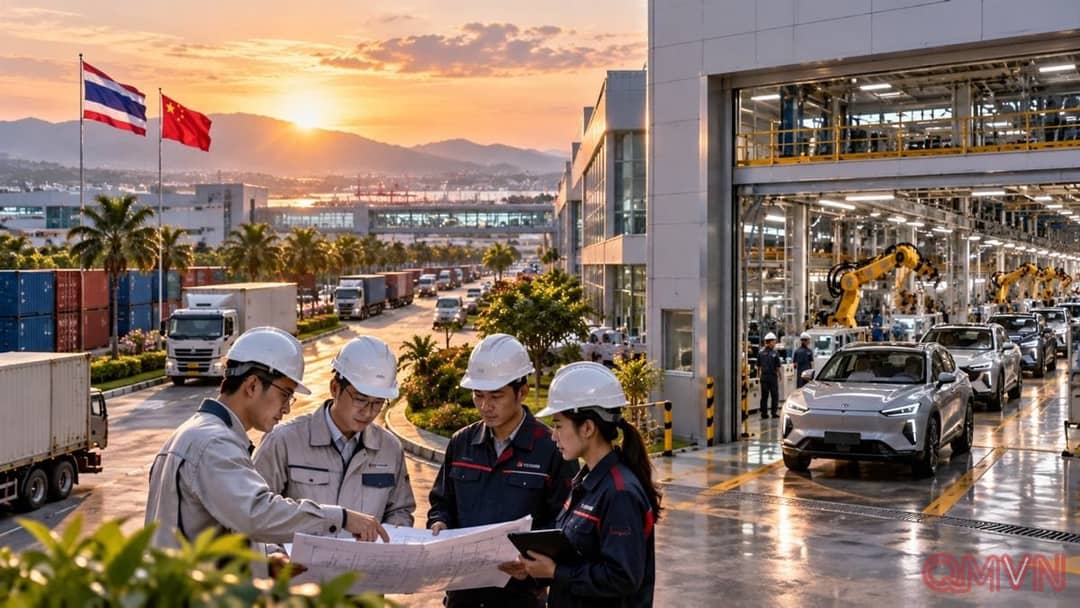
Thailand enters this contest with decades of vehicle and electronics manufacturing experience. BYD began producing electric cars at its Rayong plant in 2024, at a facility announced with annual design capacity of about 150,000 vehicles. That headline capacity should not be confused with actual output. The broader attraction lies in integrating production with regional parts makers, technicians and consumers.
2. What the investment figures actually show
Thailand’s Board of Investment reported 321 China-origin investment-promotion applications in the first half of 2026, representing about 45.8 billion baht, or roughly $1.35 billion. These are applications for incentives, not evidence that every promised dollar has been disbursed or every proposed factory completed.